Health library
Care topics
Plain-language guides from Invision Care Optometry: what a condition is, what to watch for, and how we can help. Browse from A to Z.
Showing all 32 topics
A

Age-related macular degeneration (AMD)
ConditionAge-related macular degeneration (AMD) damages the part of the eye you use for sharp, central vision. It can make reading, driving and seeing faces harder, and early care helps.
Amblyopia (lazy eye)
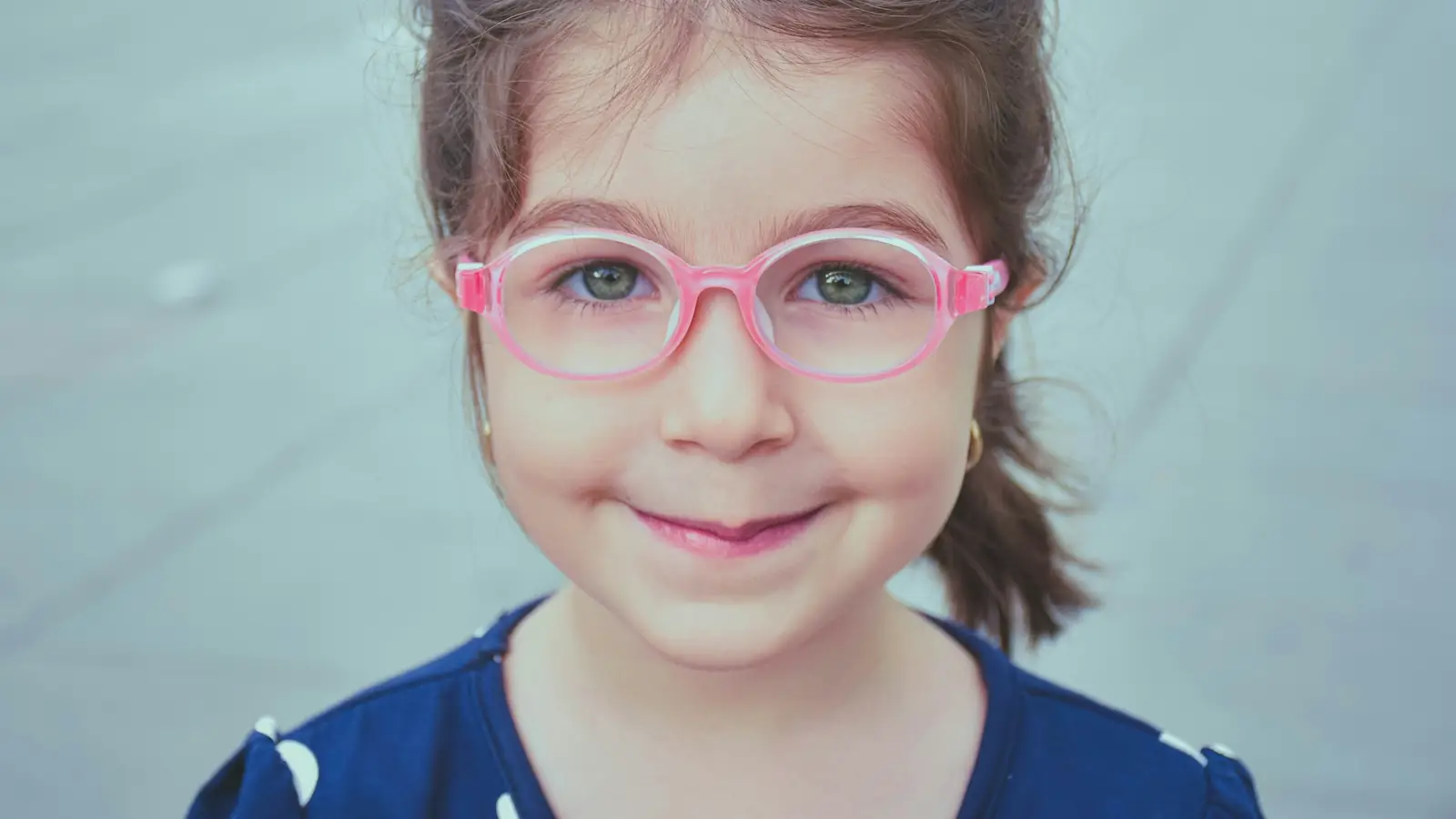
ConditionAmblyopia, or lazy eye, is when vision in one eye does not develop fully in childhood. It often has no signs, and it responds best to treatment when it is found early.
Astigmatism
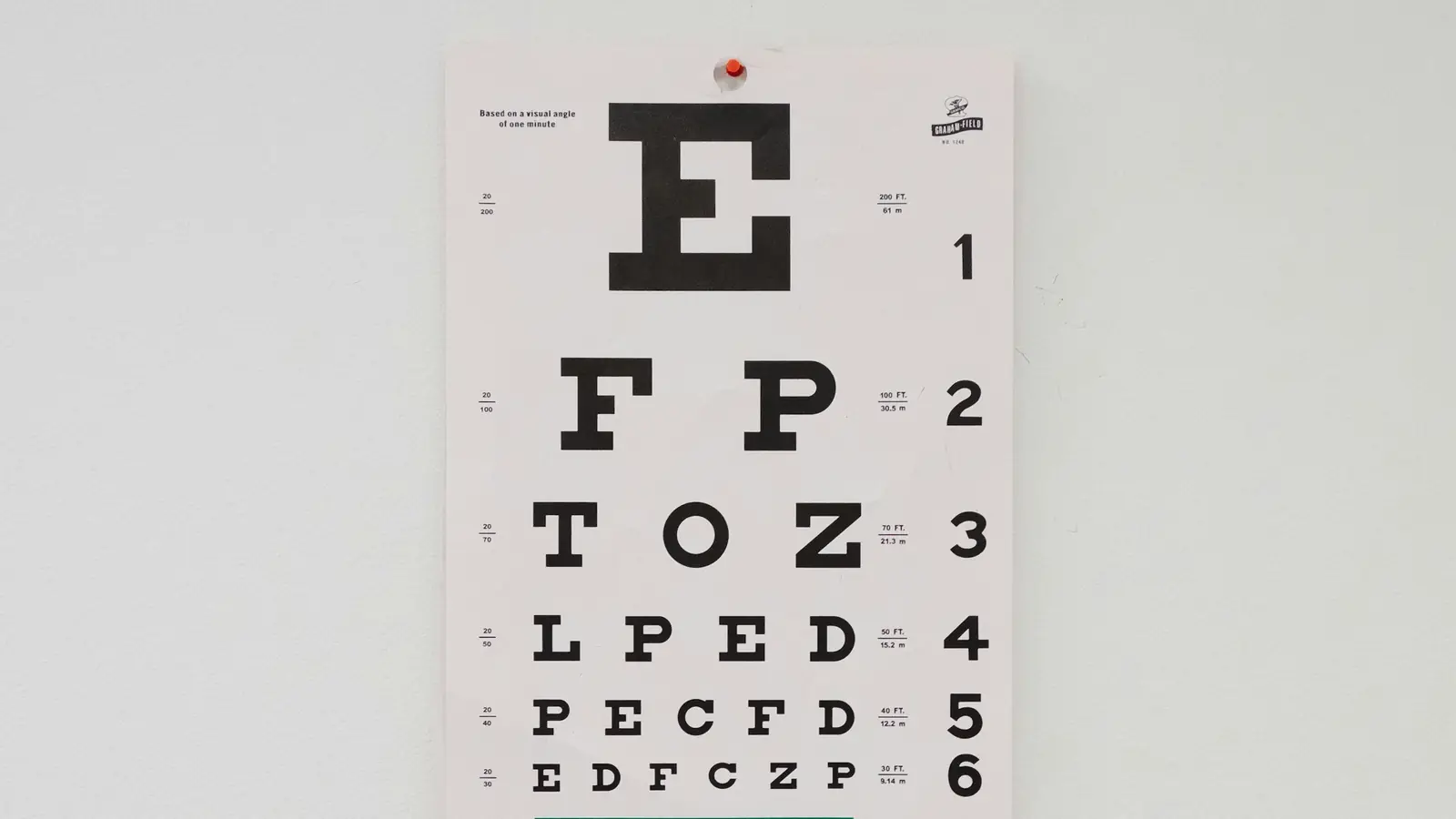
ConditionAstigmatism is a common focusing problem caused by an unevenly curved eye. It can make vision blurry or stretched at any distance, and it is easy to correct with glasses or contact lenses.
B
C
Cataracts
ConditionA cataract is a cloudy area in the lens inside your eye. Cataracts form slowly with age, and surgery can replace the cloudy lens when it gets in the way of daily life.
Children’s eye exams
ExamChildren rarely say they can’t see well, and a school screening can miss problems. A full eye exam checks how your child sees, focuses and uses both eyes together, and looks at eye health.
Comprehensive eye exam
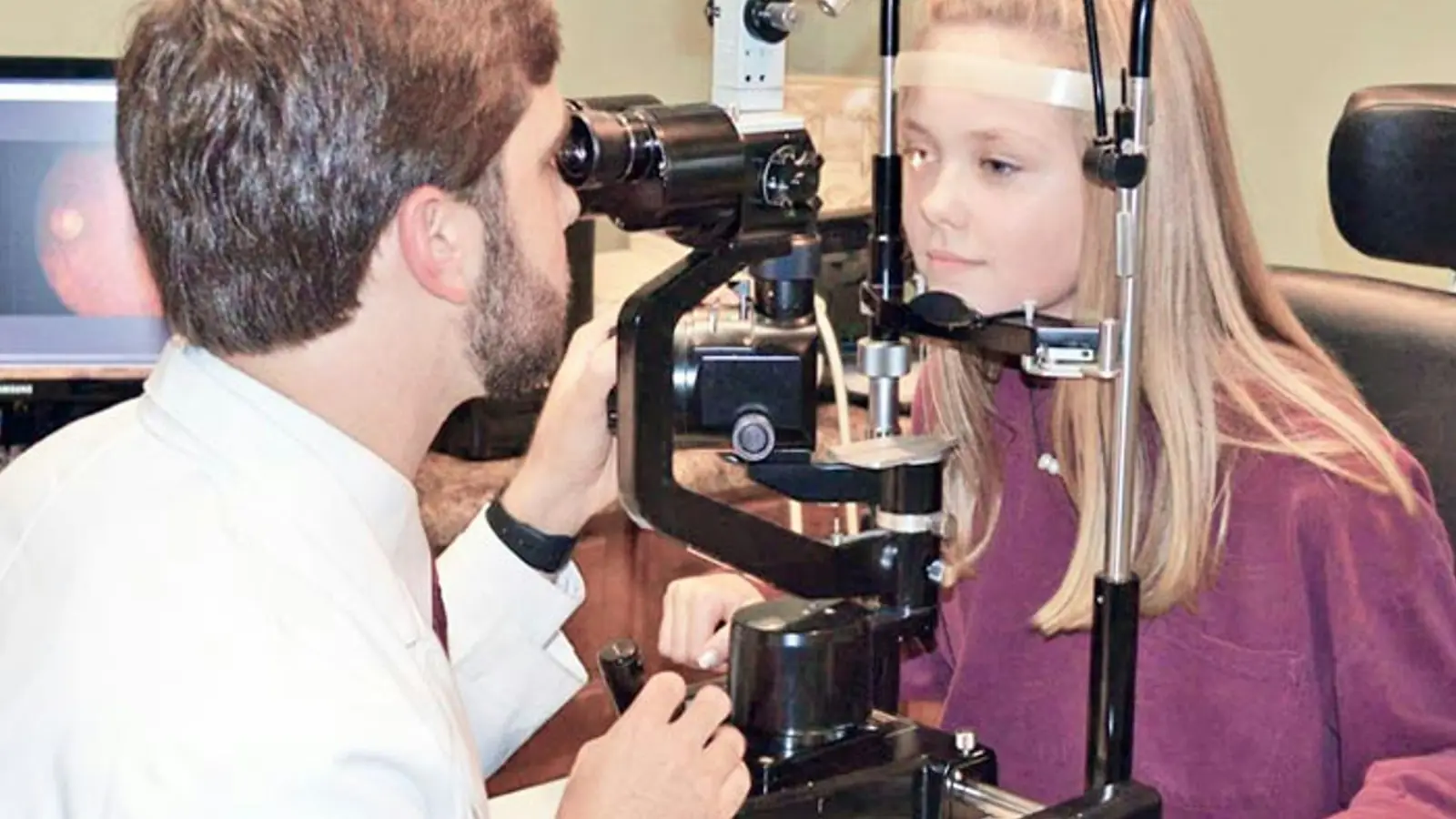
ExamA comprehensive eye exam checks how clearly you see and looks at the health of your whole eye. It can find problems before you notice them.
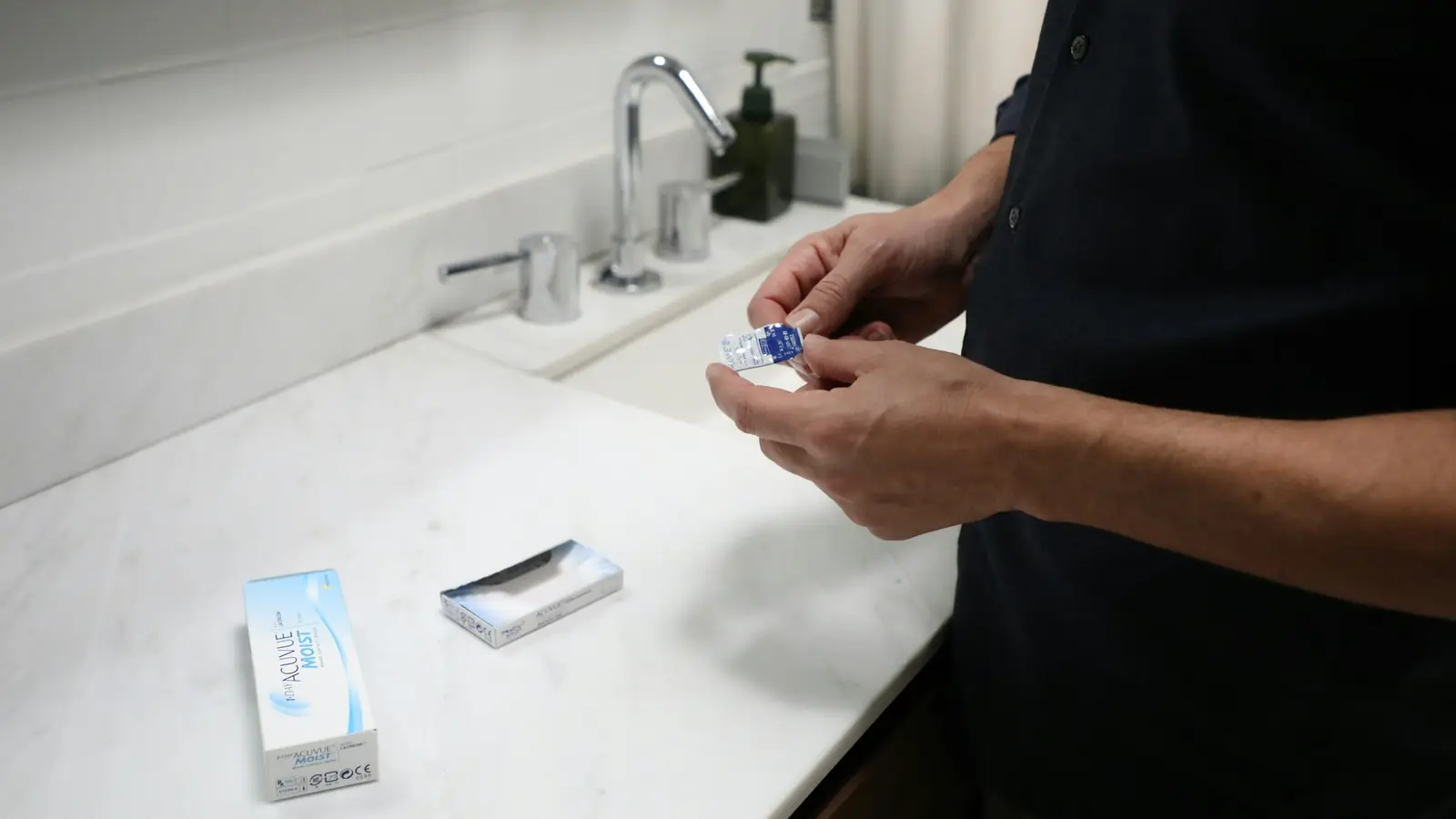
Contact lens exam and fitting
ExamA contact lens exam checks that your eyes are healthy enough for lenses and finds a lens that fits your eyes and the way you live. It includes a full eye exam plus a fitting.
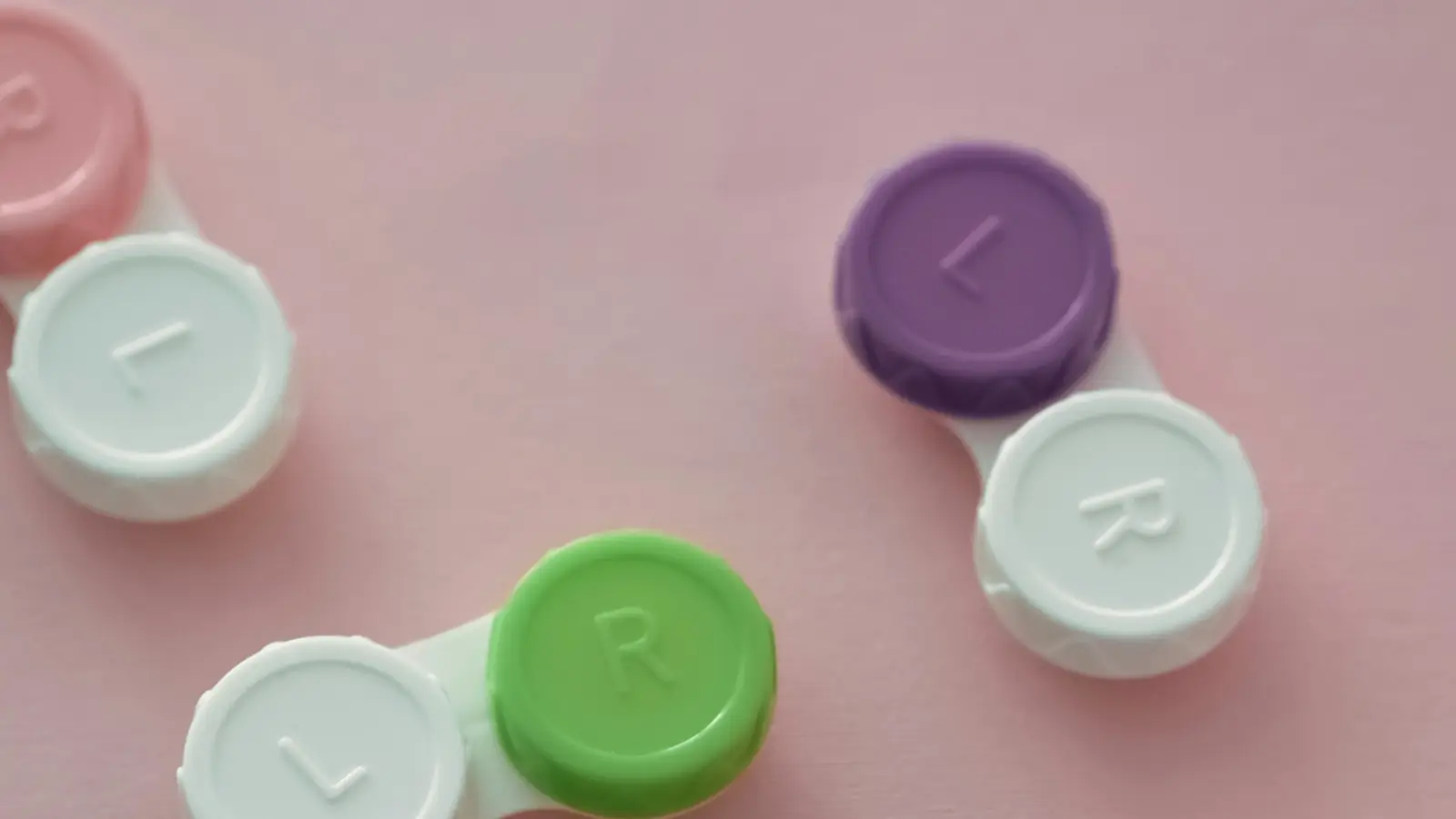
Contact lenses
Vision correctionContact lenses sit on the surface of your eye to correct your vision. With the right fit and good daily habits, they can be a safe, comfortable choice for many people.
D
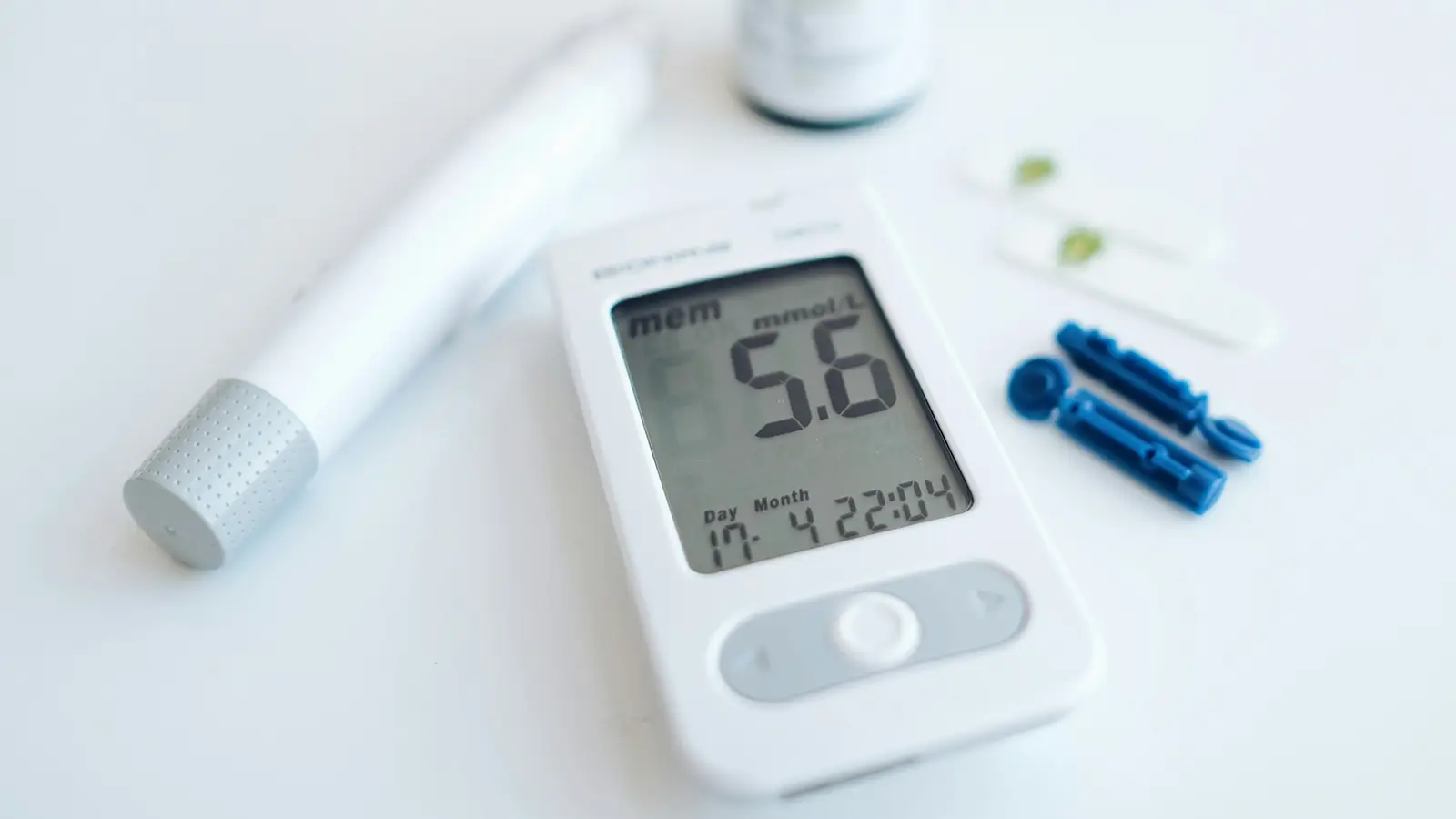
Diabetic eye exam
ExamDiabetes can damage the back of your eye long before you notice any change. A yearly dilated eye exam finds problems early, when treatment can best protect your vision.
Diabetic retinopathy
ConditionDiabetic retinopathy is damage to the blood vessels in the retina caused by diabetes. It often has no early signs, so a yearly dilated eye exam and good diabetes care are the best ways to protect your sight.

Digital eye strain
SymptomDigital eye strain is the tired, sore or blurry feeling many people get after long hours on screens. It usually eases with rest, and simple habits can help.
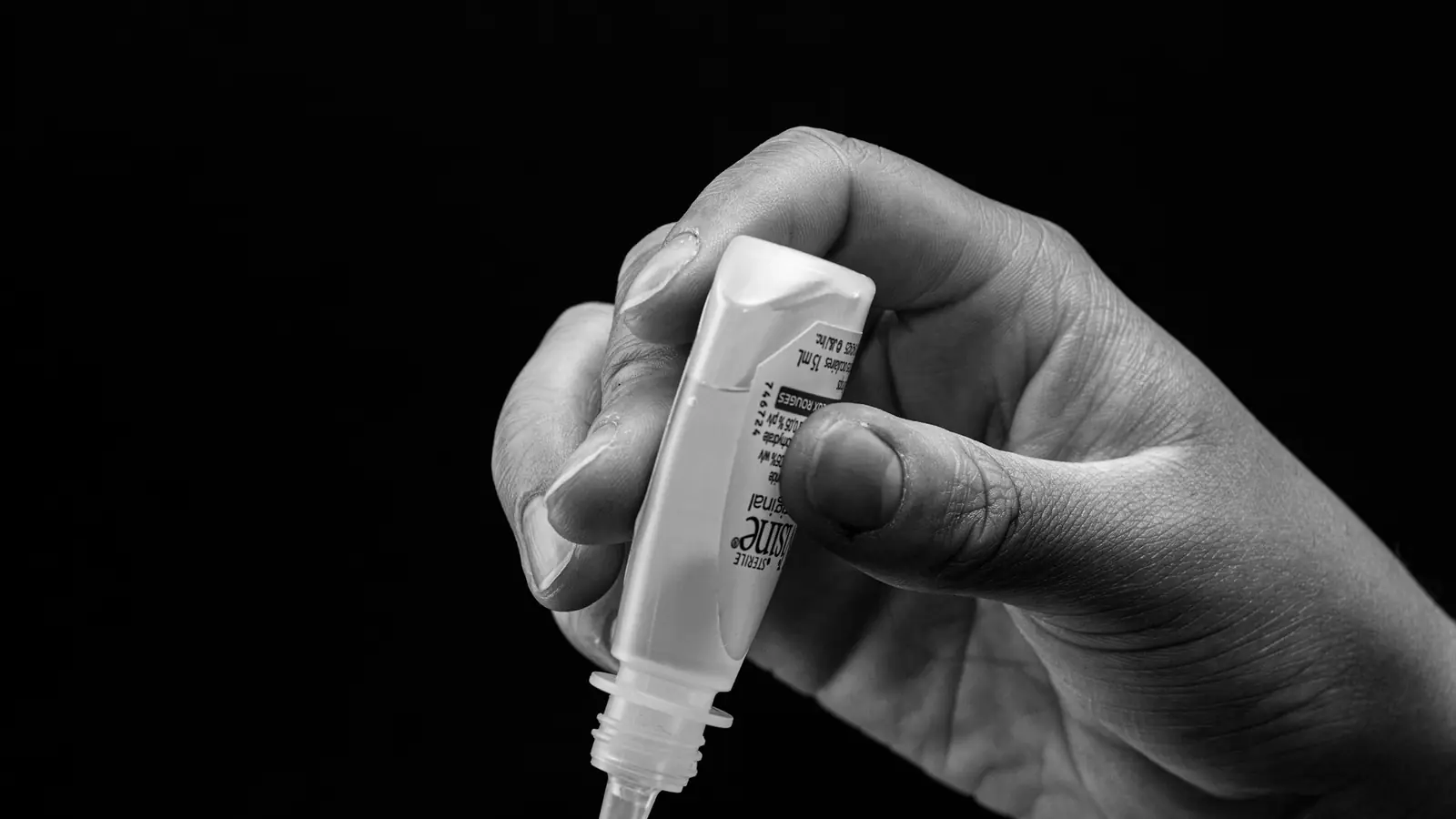
Dry eye
ConditionDry eye happens when your tears can’t keep the front of your eye moist and comfortable. It is common, and there are many ways to ease it.
E
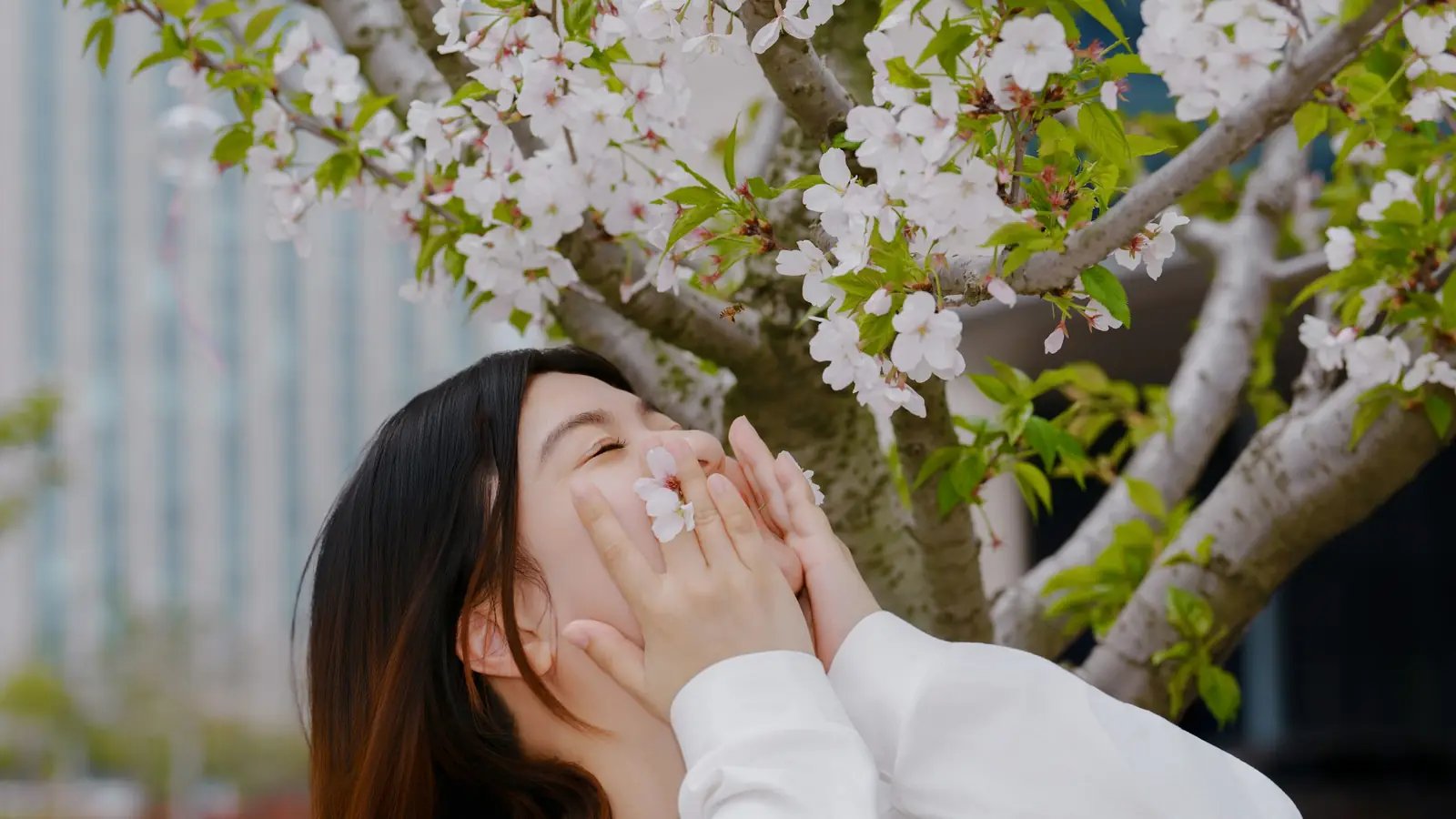
Eye allergies
ConditionEye allergies happen when your eyes react to things like pollen, dust, mold or pet dander. They make your eyes itchy, red and watery, but they are not contagious and are usually easy to manage.

Eye safety and eye injuries
PreventionMost eye injuries can be prevented with the right safety glasses or sports goggles. Knowing what to do right after an injury, and when to go to the emergency room, can help save your sight.
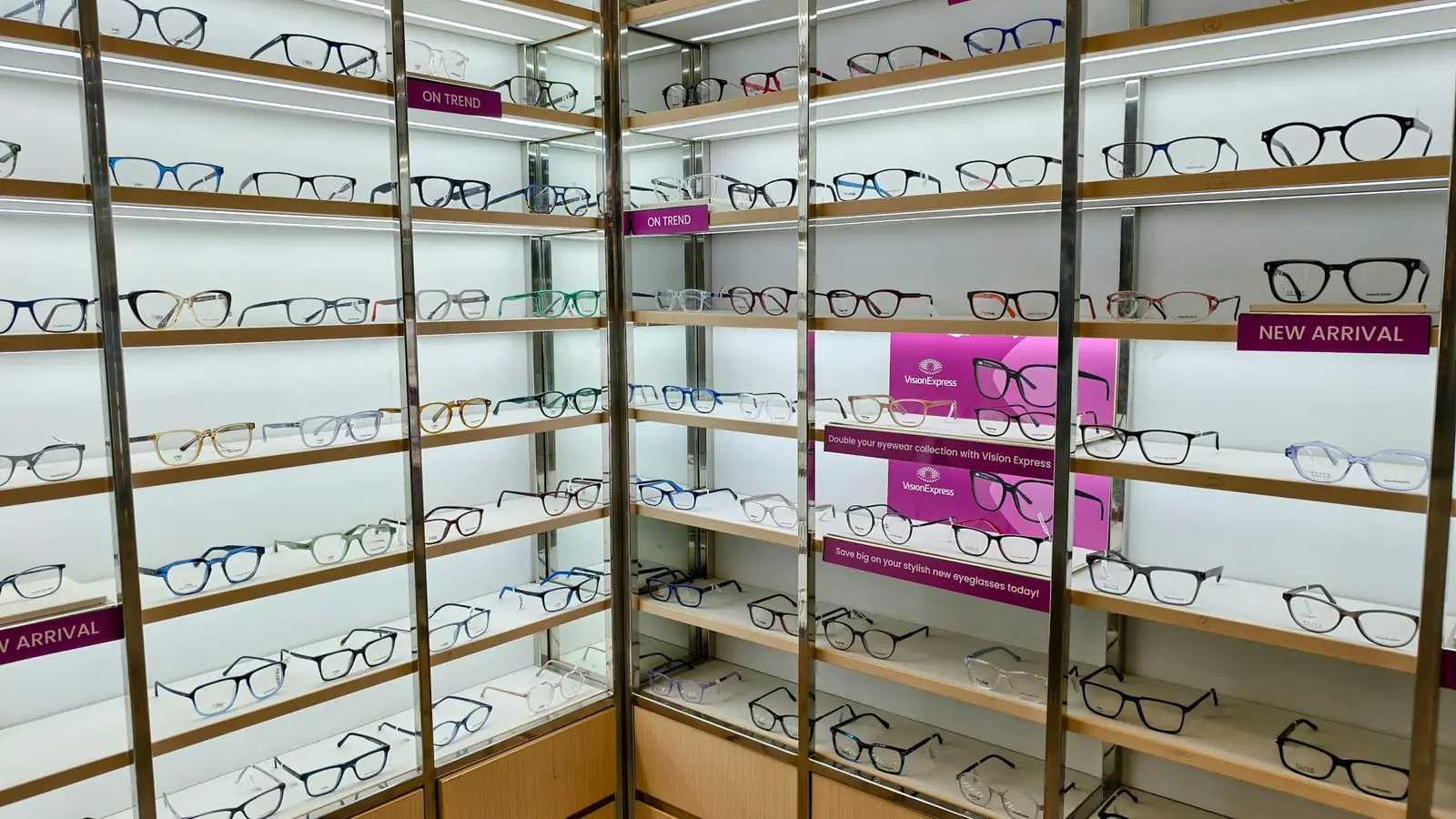
Eyeglasses
Vision correctionGlasses bend light so it focuses clearly in your eye. They correct nearsightedness, farsightedness, astigmatism and blurry close-up vision, and they are the simplest, safest option for most people.
F
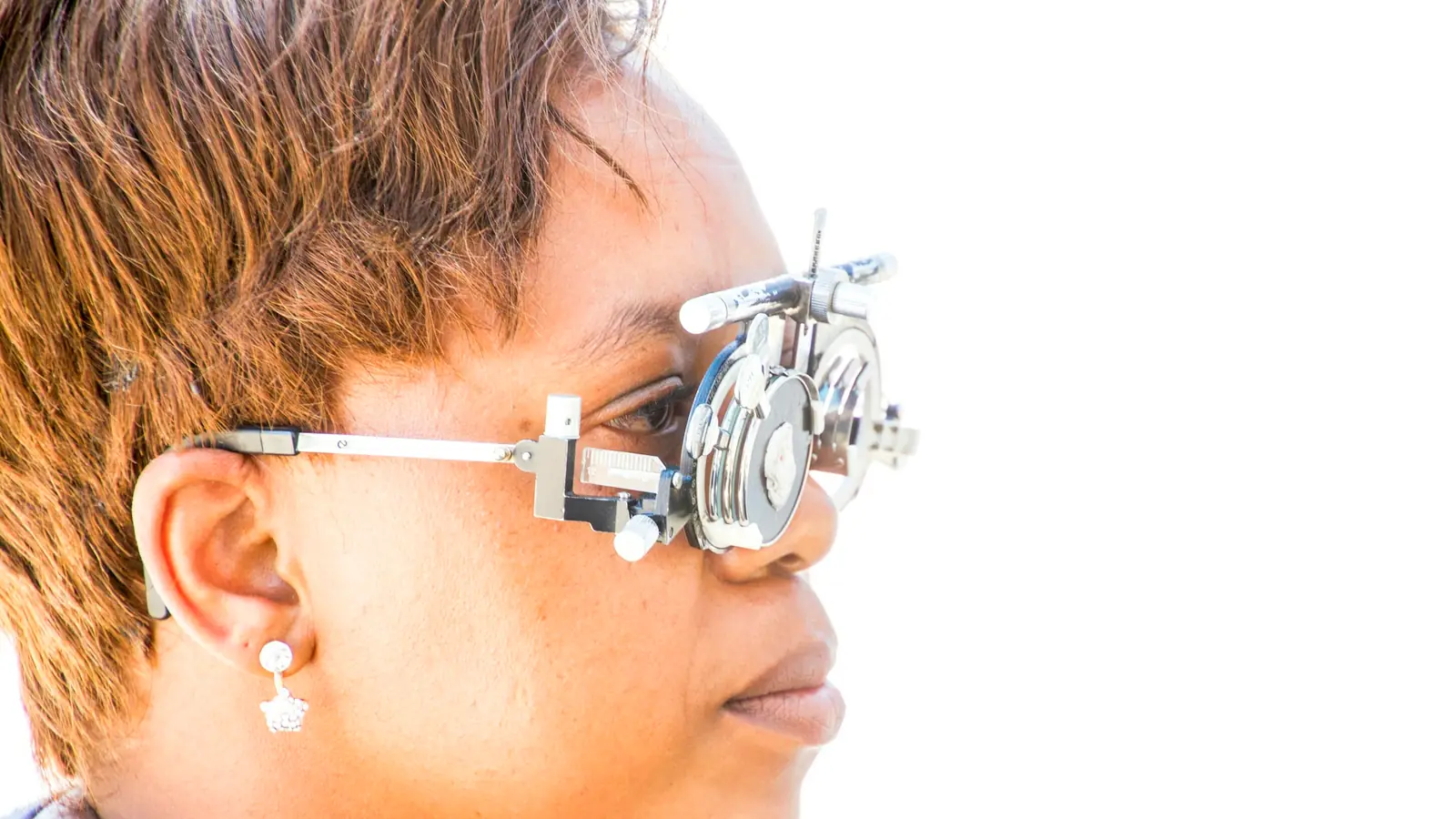
Farsightedness (hyperopia)
ConditionFarsightedness, or hyperopia, makes it harder to focus on things up close, and sometimes far away too. It is common, often runs in families, and is easy to correct with glasses or contact lenses.

Flashes and floaters
SymptomFloaters are small specks that drift through your vision, and flashes are brief sparks of light. Most are harmless, but a sudden change can mean a torn retina and needs care right away.
G
K
L
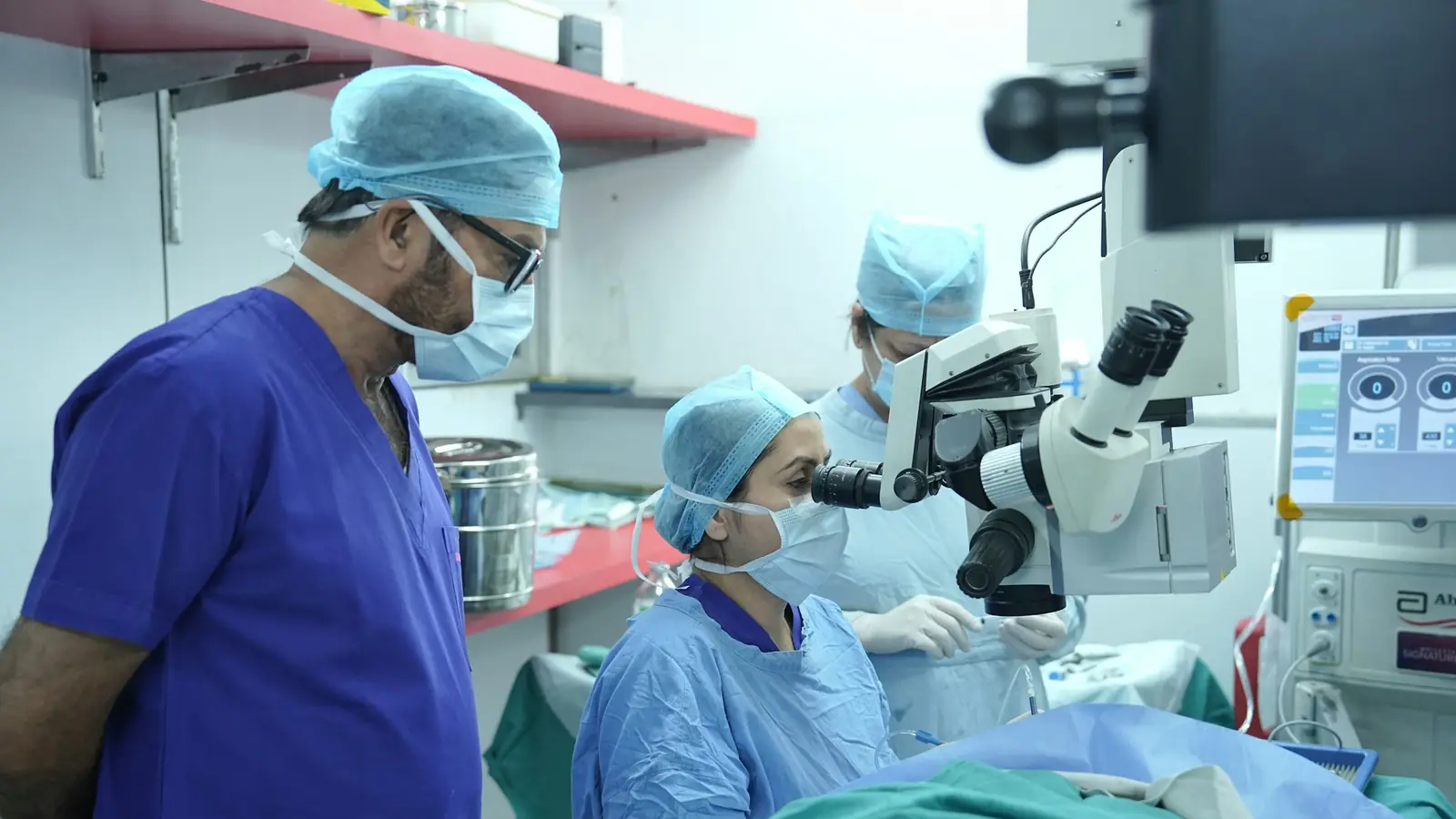
LASIK and laser vision correction
Vision correctionLASIK and other laser procedures reshape the front of the eye to reduce the need for glasses or contacts. They are not right for everyone, and a careful exam with your eye doctor comes first.
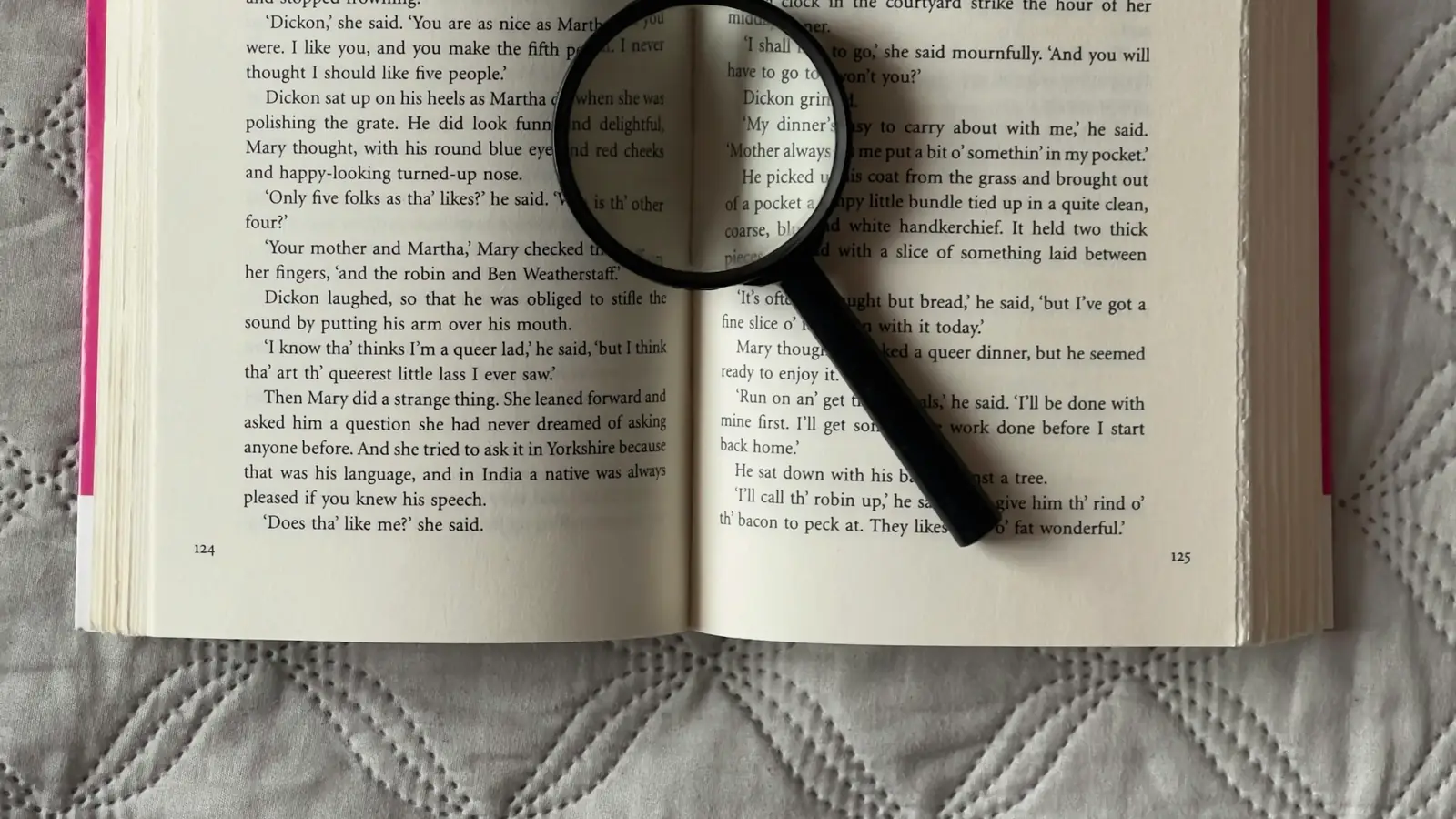
Low vision and vision rehabilitation
TreatmentLow vision is vision loss that glasses, medicine or surgery can’t fully fix. Vision rehabilitation helps you make the most of the sight you have, with the right tools, lighting and training.
M
Myopia (nearsightedness) in children
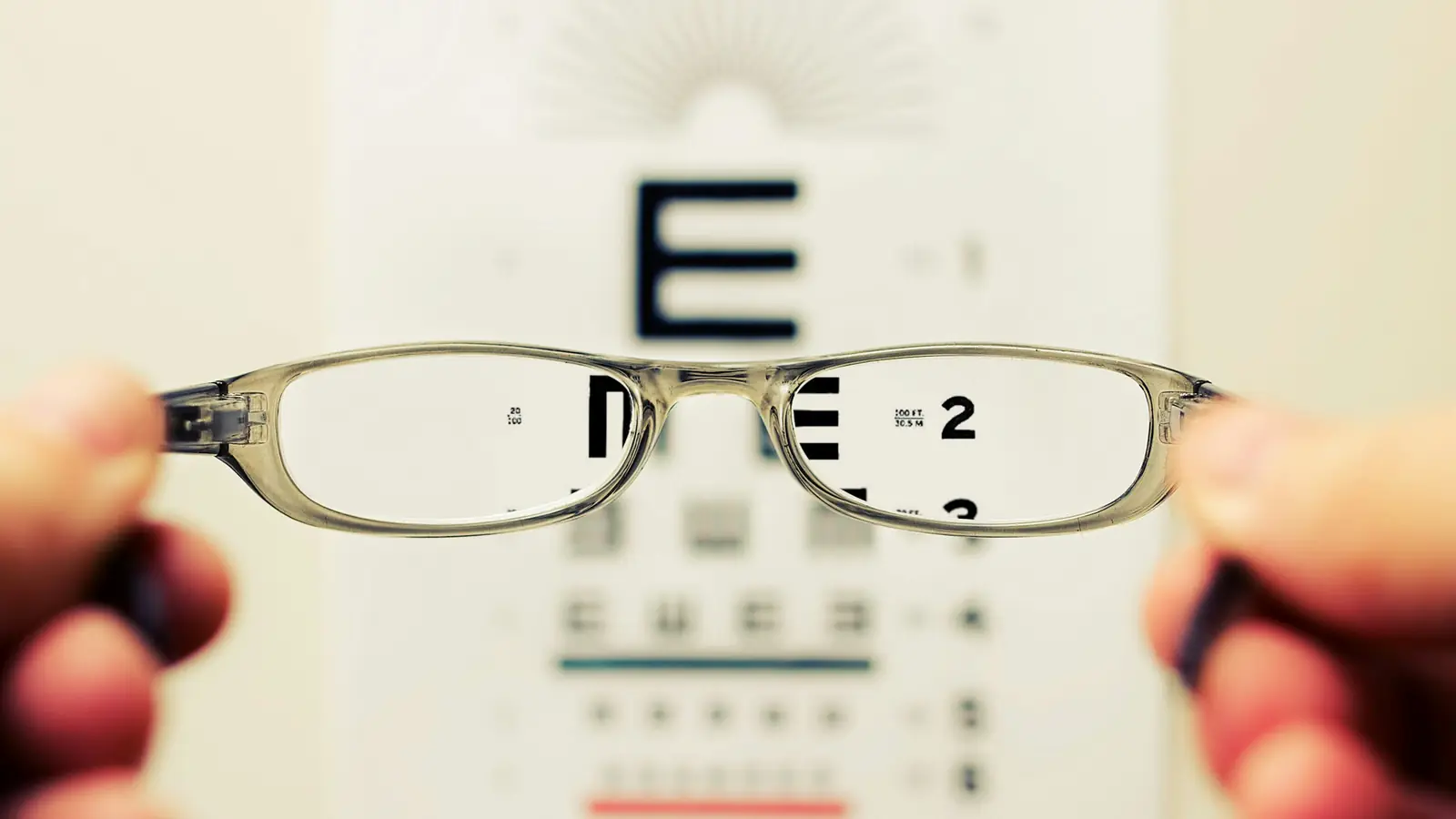
ConditionMyopia, or nearsightedness, makes things far away look blurry. It often starts in childhood and gets worse as children grow, and there are now ways to slow it down.
Myopia management for children
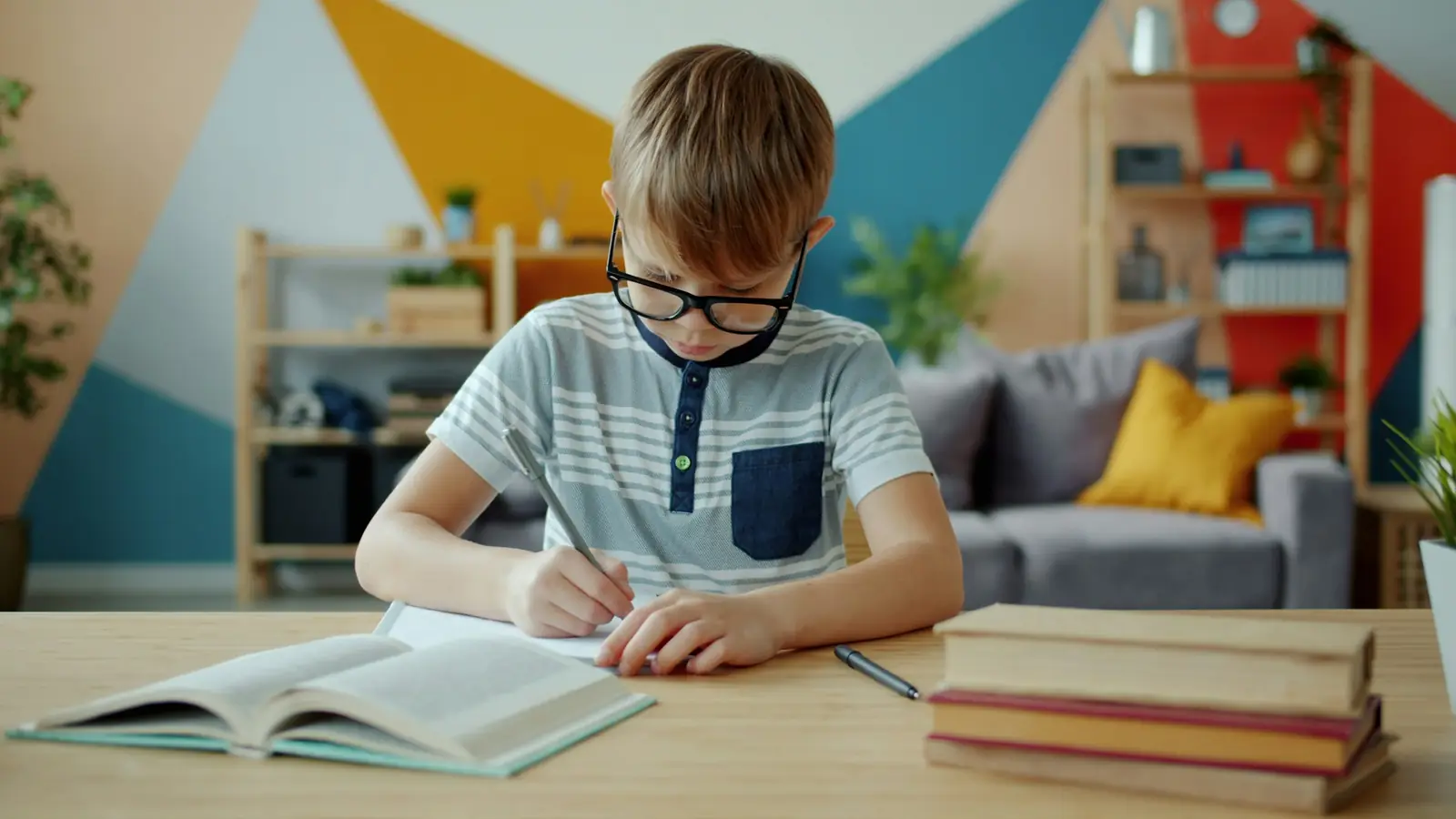
TreatmentMyopia management uses special eye drops, glasses or contact lenses to slow down how fast a child’s nearsightedness gets worse. It may help lower eye health risks later in life.
P

Pink eye (conjunctivitis)
ConditionPink eye is swelling of the thin, clear layer that covers the white of your eye. It is common and often mild, but some kinds spread easily and some need treatment.
Presbyopia
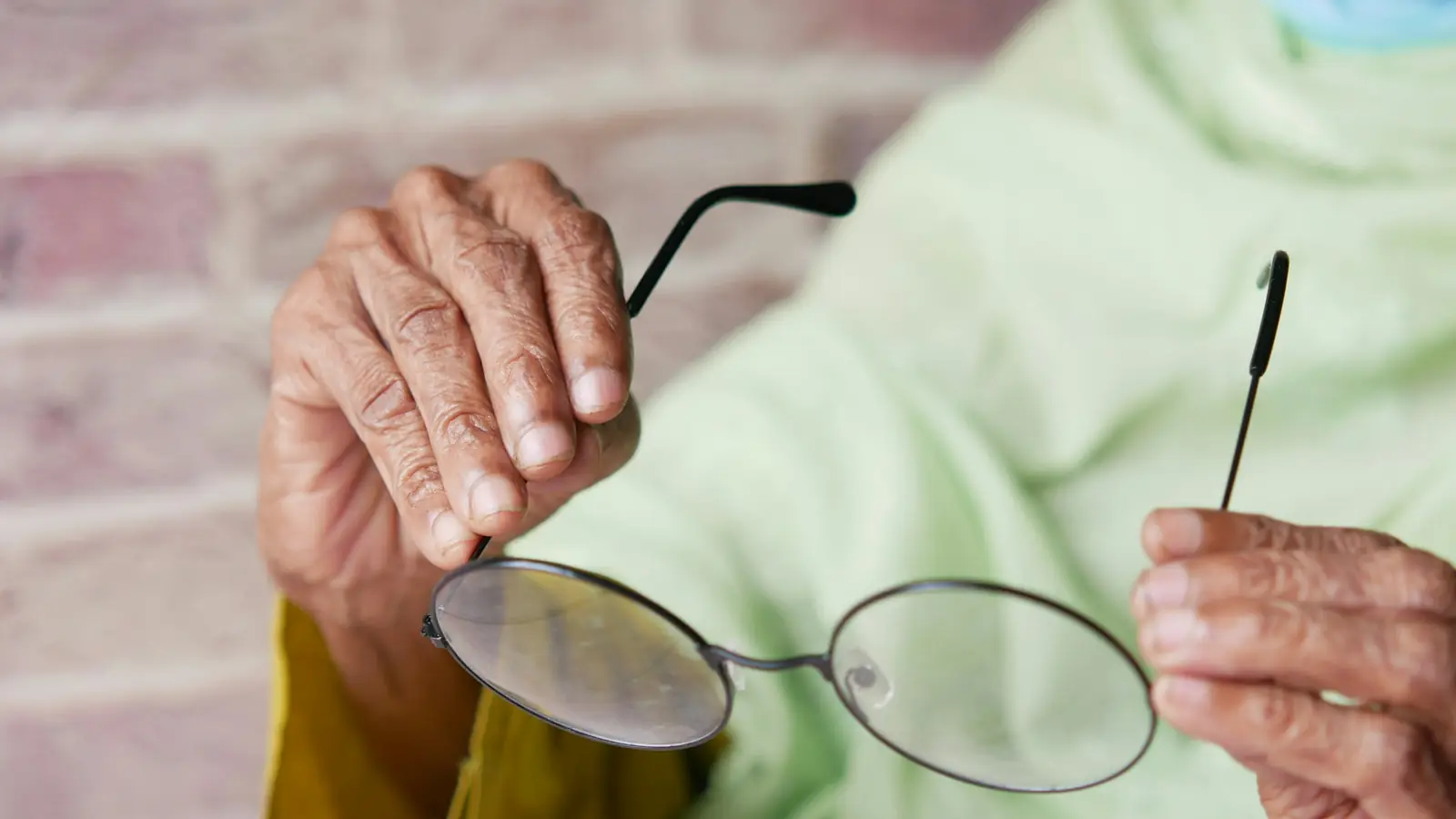
ConditionPresbyopia is the normal, age-related loss of close-up focus that most people notice in their 40s. Reading glasses, multifocal lenses and other options can help you see clearly up close again.
R
Red eye
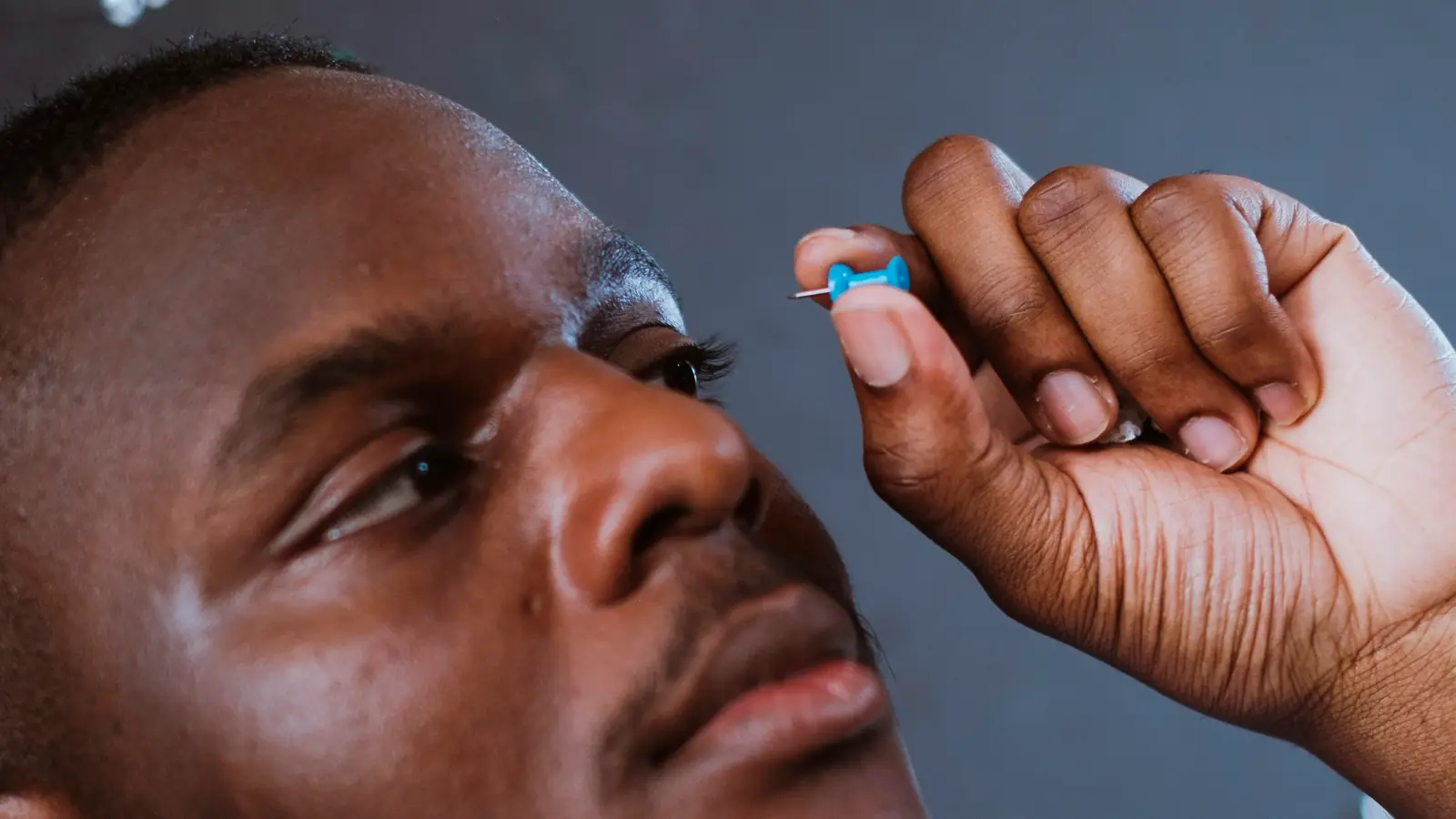
SymptomA red eye has many causes, from dry or tired eyes and allergies to infections that need care quickly. Most are mild, but pain, light sensitivity or blurry vision are signs to get checked the same day.
Retinal detachment
ConditionA retinal detachment is when the retina pulls away from the back of the eye. It is an emergency: new flashes, a shower of floaters or a curtain over your vision need care the same day.
S
Scleral lenses
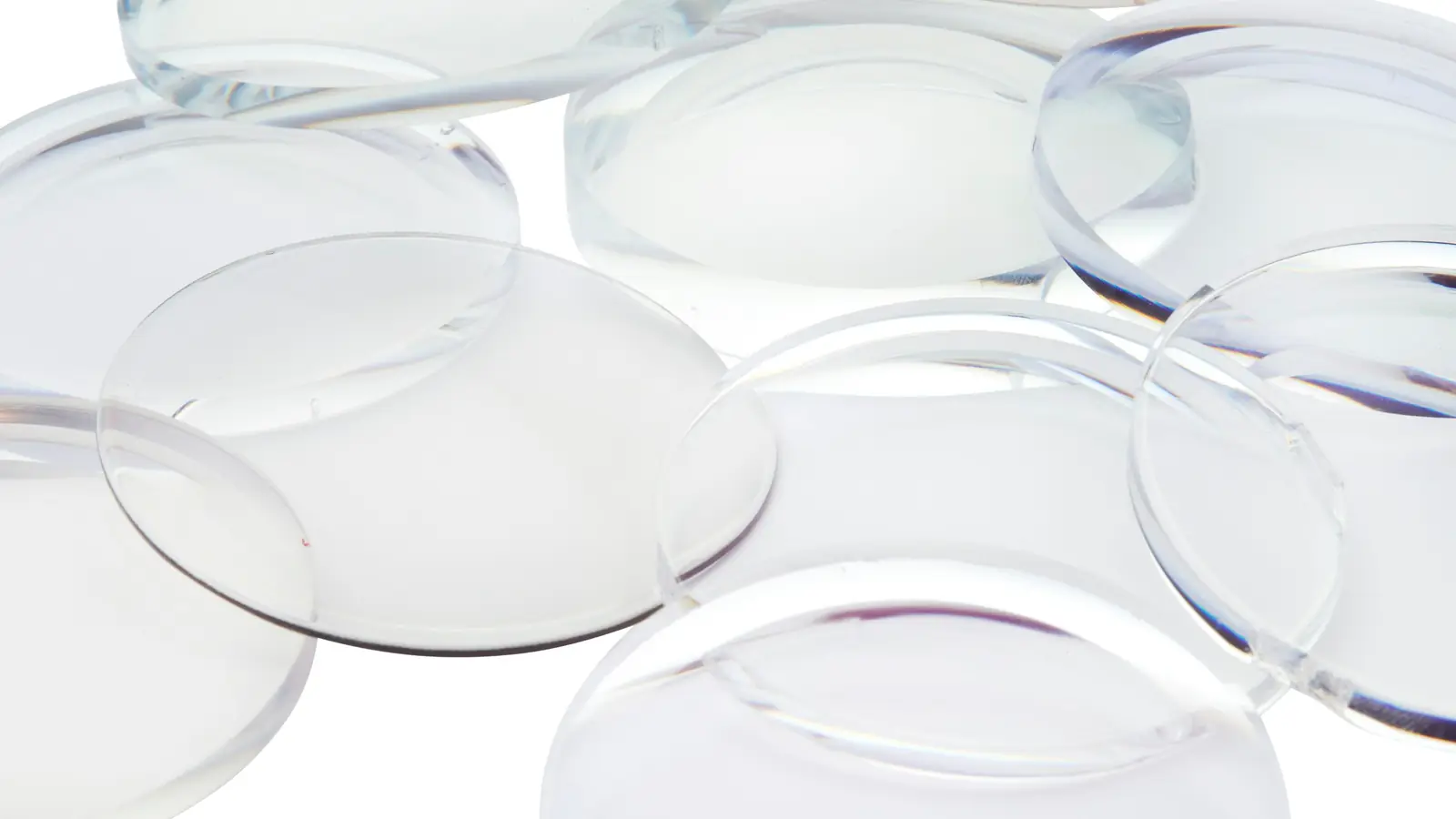
Vision correctionScleral lenses are large, firm contact lenses that arch over the cornea and hold a layer of fluid against it. They can help people with keratoconus, an irregular cornea or severe dry eye see clearly and comfortably.
Strabismus (eye turn)
ConditionStrabismus is when the eyes don’t line up, so one eye turns in, out, up or down. In children it can lead to lazy eye, and in adults it often causes double vision. Treatment can help at any age.