Treatment

Vision therapy

Vision therapy is a program of guided eye exercises that helps your eyes team up and focus more comfortably. It works best for convergence insufficiency, a common cause of eye strain with reading.

Key points

Common signs
Tired eyes, headaches or double vision with reading, and words that seem to move on the page.
Who it helps
Children and adults whose eyes have trouble working together up close, such as with convergence insufficiency.
How it’s found
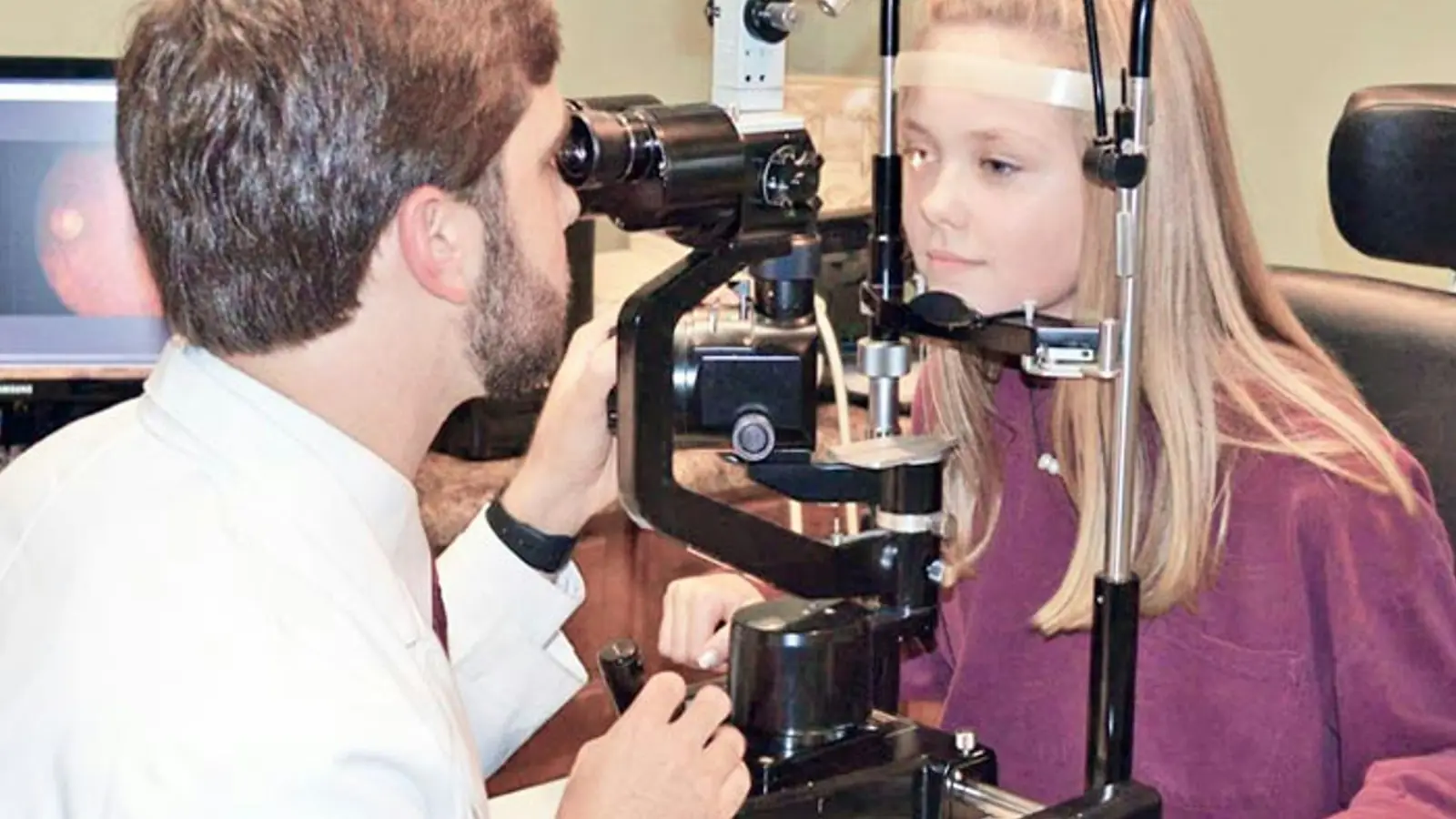
Your eye doctor measures how well your eyes team up, focus and move, both up close and far away.
Treatment
Weekly office sessions plus short home practice, often for about three months. It does not treat dyslexia.
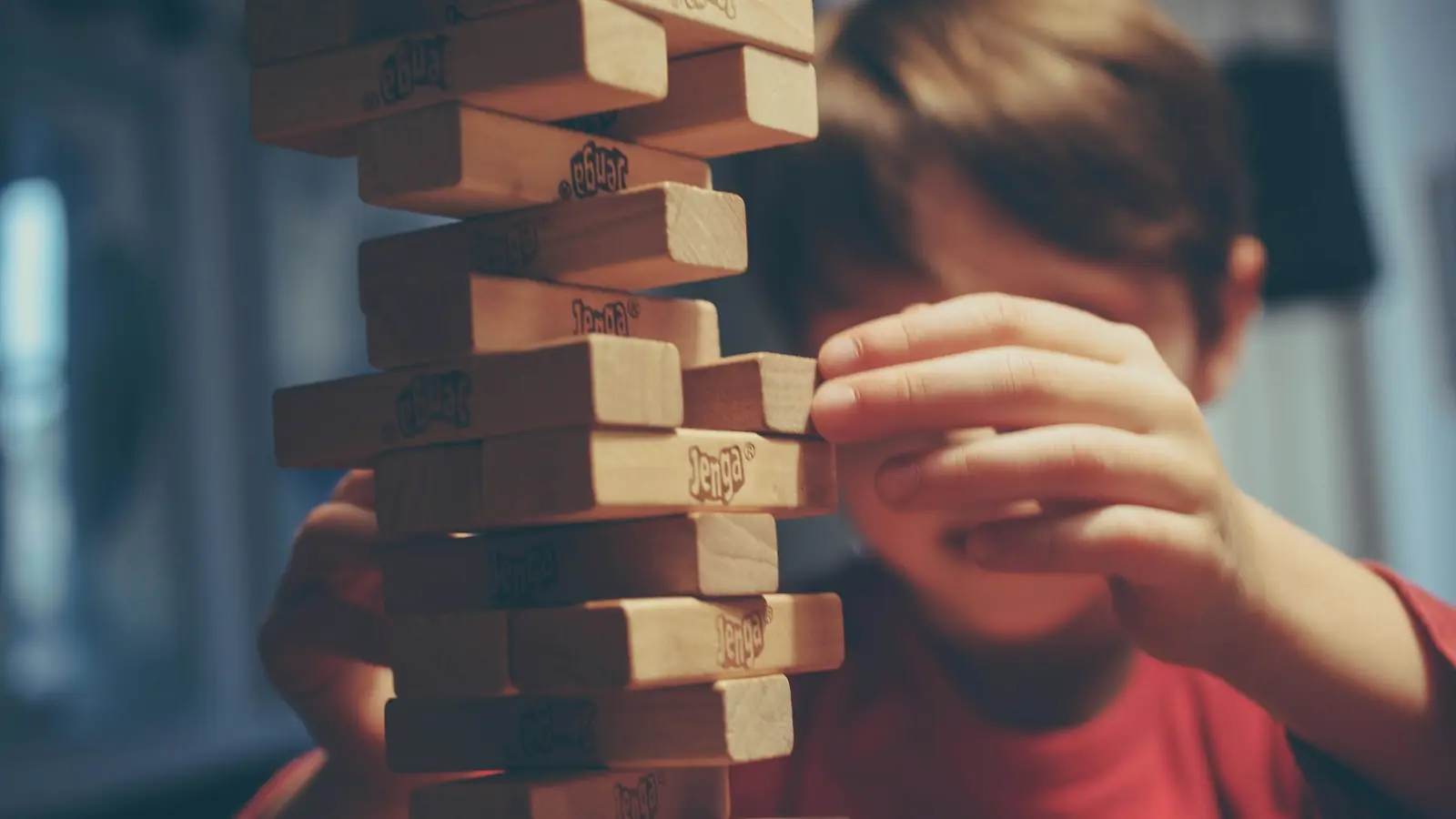
A child concentrating on pulling a block from a stacking tower, using eyes and hands together

Vision therapy is a program of guided eye exercises. It trains your eyes and brain to work together better: to team up, focus and move smoothly. It is not about making eye muscles stronger. It teaches the brain to control them more easily and comfortably.

Most programs mix sessions in the office with short exercises at home. In the office, a trained therapist guides you through activities using tools such as special lenses, prisms, targets and computer programs. At home you practice for a few minutes most days.

The most common reason for vision therapy is convergence insufficiency. This means your eyes have trouble turning inward together to look at something close, like a book or a phone. Your vision may be sharp on an eye chart, yet close work is tiring or uncomfortable. Common signs include:

  • Tired or sore eyes after reading or close work
  • Headaches with reading
  • Double or blurry vision up close
  • Words that seem to move, swim or float on the page
  • Losing your place, or having to reread lines
  • Trouble keeping focus on reading for long

For children with convergence insufficiency that causes symptoms, large studies found that therapy in the office, along with practice at home, worked better than exercises done at home alone.

Vision therapy may help children and adults who have:

  • Convergence insufficiency with symptoms
  • Focusing problems, such as trouble keeping close-up work clear or shifting focus between near and far
  • Some problems with eye movement control

Your eye doctor may also use eye exercises as one part of care for lazy eye (amblyopia) or some kinds of eye turn, together with glasses, patching or other treatment.

What it does not treat

Vision therapy does not treat learning disabilities, dyslexia or attention problems. Dyslexia is a language-based learning difference, not a vision problem. A vision problem can make reading tiring or uncomfortable, and treating it can make reading more comfortable. But it does not teach reading skills. Studies of children with convergence insufficiency found that therapy eased their eye symptoms but did not improve their reading scores.

If your child is struggling with reading, a full eye exam is a good first step. Your child may also need testing through the school, the pediatrician or a reading specialist.

Vision therapy also does not replace glasses for nearsightedness, farsightedness or astigmatism. Not everyone with convergence insufficiency needs treatment. If it causes no symptoms, your eye doctor may just keep an eye on it.

Wondering if it’s right for you?

Ask us about vision therapy