
Exam
Diabetic eye exam
Diabetes can damage the back of your eye long before you notice any change. A yearly dilated eye exam finds problems early, when treatment can best protect your vision.
Key points
- Who’s at risk
- Anyone with diabetes. It can damage the retina long before you notice any change in your vision.
- How it’s found
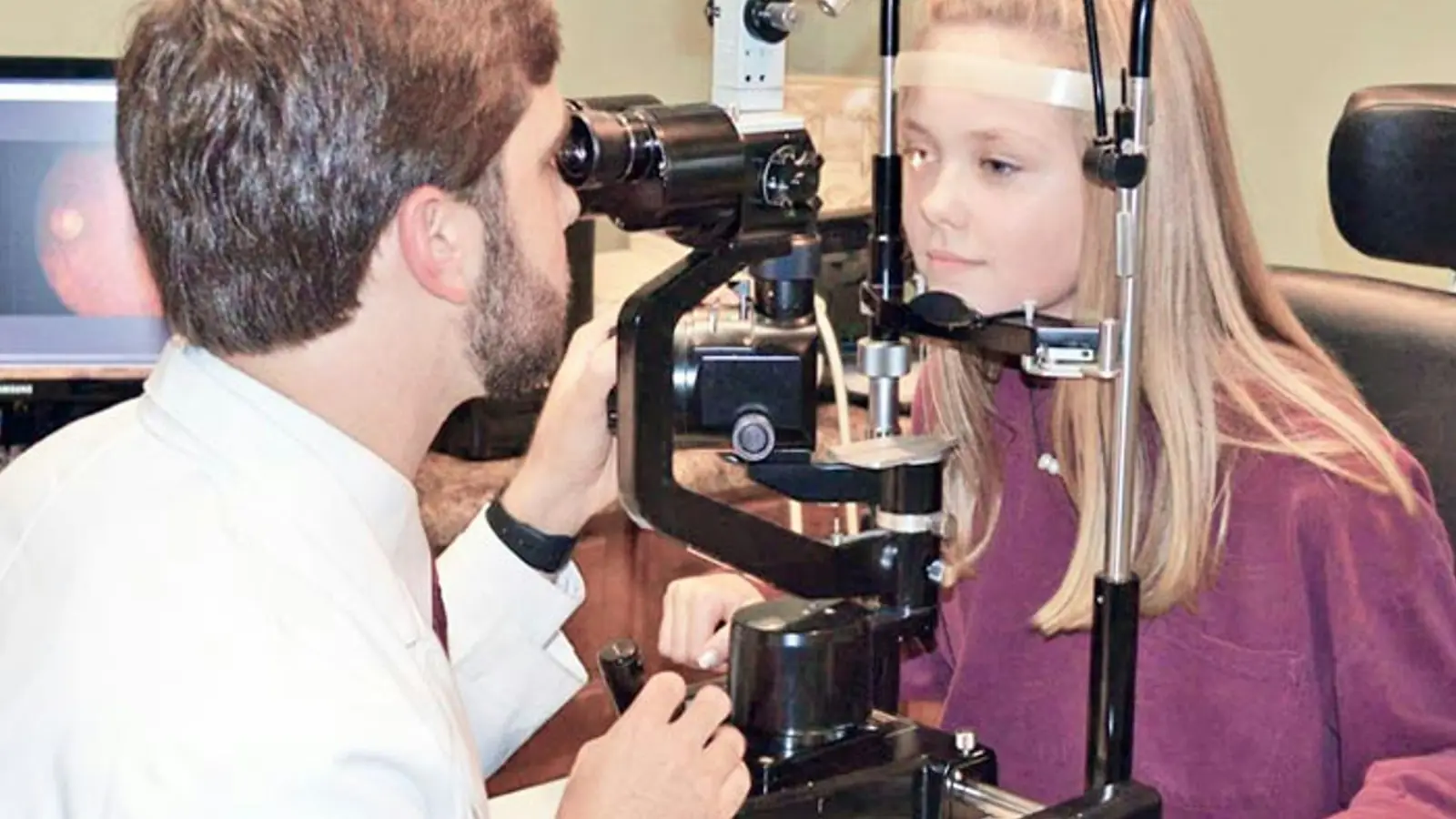
- Drops widen your pupils so your eye doctor can see the whole retina. Photos or scans can show early swelling.
- How often
- Once a year for most people with diabetes, unless your eye doctor tells you otherwise.
- Treatment
- Injections into the eye and laser treatment can protect your sight. They work best when damage is found early.
Related care topics
Comprehensive eye exam
ExamA comprehensive eye exam checks how clearly you see and looks at the health of your whole eye. It can find problems before you notice them.

Glaucoma
ConditionGlaucoma is a group of eye diseases that damage the optic nerve, often with no early warning signs. Regular eye exams can find it early, when treatment can help protect your sight.

Cataracts
ConditionA cataract is a cloudy area in the lens inside your eye. Cataracts form slowly with age, and surgery can replace the cloudy lens when it gets in the way of daily life.