
Condition
Glaucoma
Glaucoma is a group of eye diseases that damage the optic nerve, often with no early warning signs. Regular eye exams can find it early, when treatment can help protect your sight.
Key points
- Common signs
- Usually none at first. It slowly takes away side vision, often without any pain.
- Who’s at risk
- Adults over 60, Black and Hispanic/Latino adults, people with a family history, and people with high eye pressure.
- How it’s found
- An eye pressure test, a side vision test and scans of the optic nerve, compared over time.
- Treatment
- Daily eye drops, laser treatment or surgery can lower eye pressure. Vision that is already lost can’t be restored.

Glaucoma is a group of eye diseases that damage the optic nerve. The optic nerve carries signals from your eye to your brain so that you can see. When it is damaged, you slowly lose vision. Damage from glaucoma can’t be undone, but treatment can often slow it down or stop it from getting worse.
Glaucoma often happens when fluid does not drain well from the eye and the pressure inside the eye goes up. But some people get glaucoma even when their eye pressure is normal.
There are two main types:
- Open-angle glaucoma is the most common. It develops slowly, over many years, with no pain.
- Angle-closure glaucoma happens when the drainage area inside the eye is narrow or blocked. It can build up slowly, or it can come on suddenly. A sudden attack is an emergency.

Related services
Related care topics
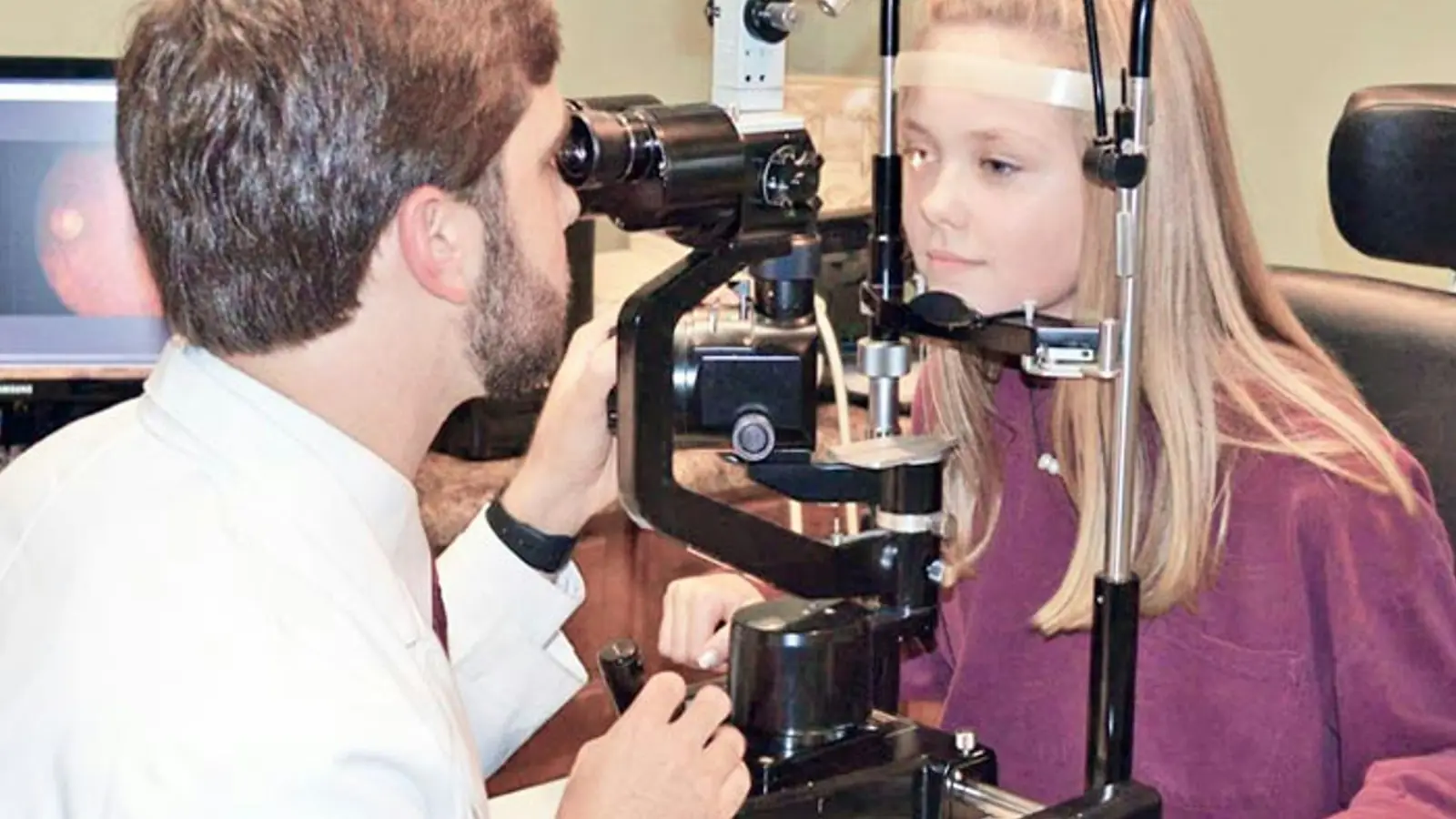
Comprehensive eye exam
ExamA comprehensive eye exam checks how clearly you see and looks at the health of your whole eye. It can find problems before you notice them.

Diabetic eye exam
ExamDiabetes can damage the back of your eye long before you notice any change. A yearly dilated eye exam finds problems early, when treatment can best protect your vision.

Cataracts
ConditionA cataract is a cloudy area in the lens inside your eye. Cataracts form slowly with age, and surgery can replace the cloudy lens when it gets in the way of daily life.