
Condition
Cataracts
A cataract is a cloudy area in the lens inside your eye. Cataracts form slowly with age, and surgery can replace the cloudy lens when it gets in the way of daily life.
Key points
- Common signs
- Cloudy or dim vision, faded colors, glare or halos around lights, and trouble seeing at night.
- Who’s at risk
- Most people as they get older. Diabetes, smoking, lots of sun and long-term steroid use can bring them on sooner.
- How it’s found
- An eye chart test and a close look at the lens, usually with drops that widen your pupils.
- Treatment
- A new prescription and brighter light help early on. Surgery replaces the cloudy lens when daily life gets hard.

Behind the colored part of your eye is a clear lens. It focuses light so you can see sharp images. A cataract is a cloudy area in that lens. Looking through a cataract is a bit like looking through a foggy or dirty window.
Most cataracts come with age. They form slowly, over years, and usually in both eyes, though one eye may be worse than the other. A cataract is not a growth or a film over the eye, and it does not spread from one eye to the other. Less often, cataracts can follow an eye injury, eye surgery or certain medicines, and some babies are born with them.

Related care topics
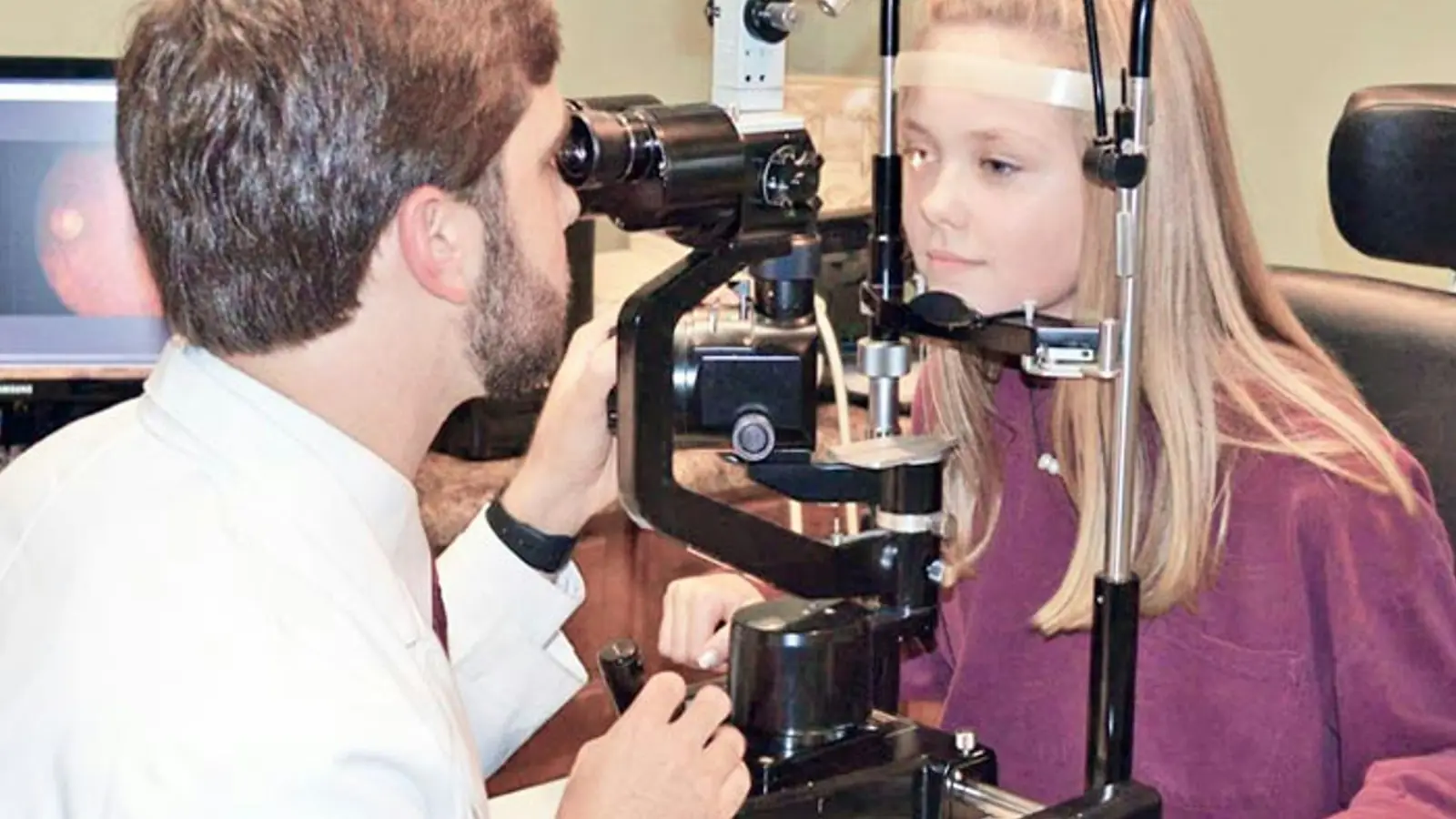
Comprehensive eye exam
ExamA comprehensive eye exam checks how clearly you see and looks at the health of your whole eye. It can find problems before you notice them.

Age-related macular degeneration (AMD)
ConditionAge-related macular degeneration (AMD) damages the part of the eye you use for sharp, central vision. It can make reading, driving and seeing faces harder, and early care helps.

Glaucoma
ConditionGlaucoma is a group of eye diseases that damage the optic nerve, often with no early warning signs. Regular eye exams can find it early, when treatment can help protect your sight.