
Condition
Age-related macular degeneration (AMD)
Age-related macular degeneration (AMD) damages the part of the eye you use for sharp, central vision. It can make reading, driving and seeing faces harder, and early care helps.
Key points
- Common signs
- Blurry central vision, straight lines that look wavy, or a dark spot in the center of your vision.
- Who’s at risk
- Older adults, people who smoke and people with a family history of AMD.
- How it’s found
- A dilated eye exam, an Amsler grid check and detailed scans of the retina.
- Treatment
- There is no cure yet. A vitamin mix may slow some cases, and injections into the eye can treat wet AMD.

The macula is a small area at the center of the retina, the light-sensing layer at the back of your eye. It gives you the sharp, straight-ahead vision you use to read, drive and see faces. In age-related macular degeneration (AMD), the macula is damaged over time.
There are two forms:
- Dry AMD is the most common. The macula slowly thins with age, and small yellow deposits called drusen build up under the retina. Vision usually changes slowly, over many years. In its late stage, called geographic atrophy, patches of the retina wear away and central vision is lost.
- Wet AMD is less common but can cause vision loss much faster. It happens when abnormal blood vessels grow under the retina and leak fluid or blood.
Dry AMD can turn into wet AMD at any stage. AMD affects only your central vision. Your side vision stays, so AMD does not cause complete blindness.

How we care for it at Invision Care Optometry
sadjasodjaso d
Related services
Related care topics
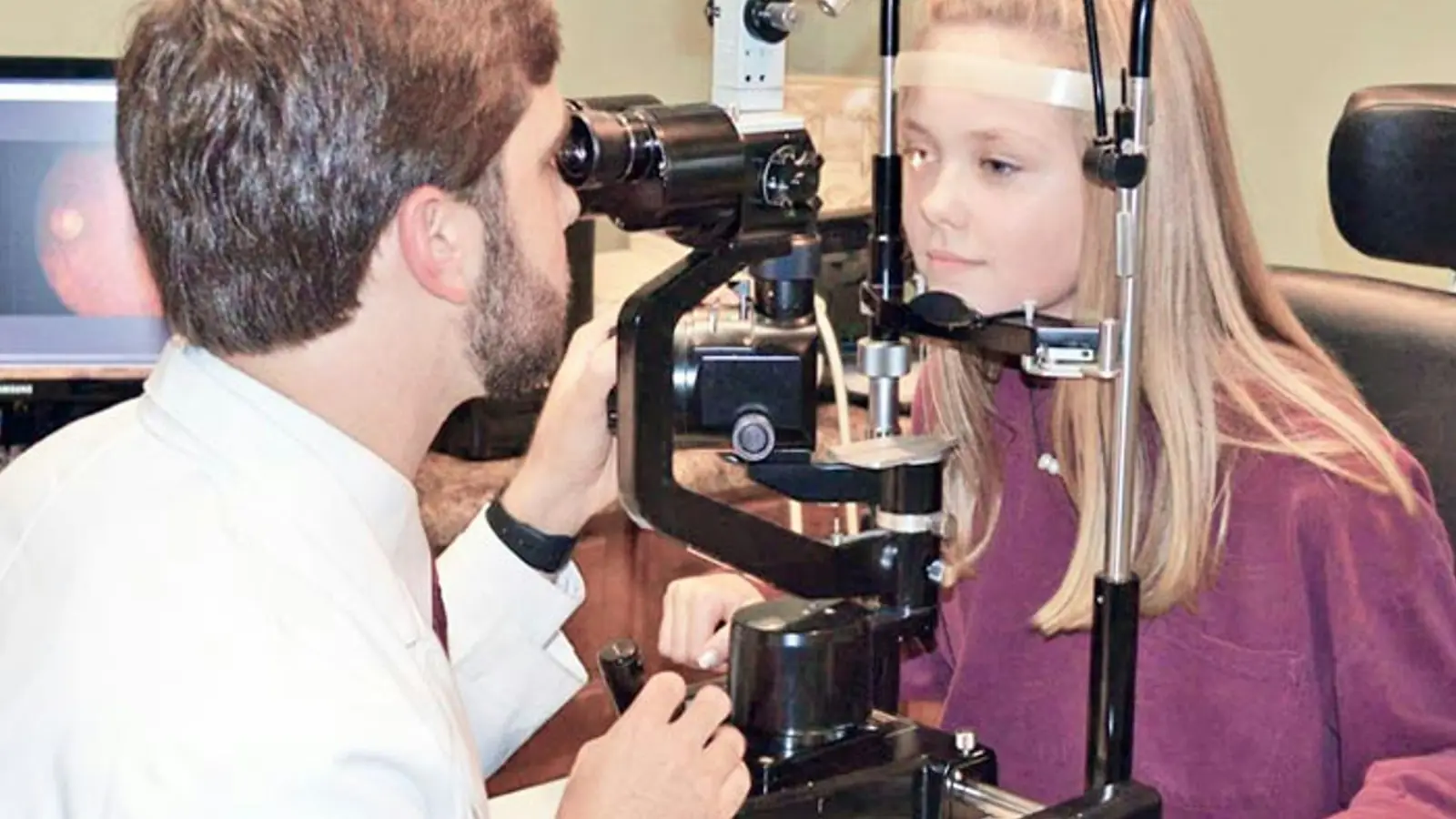
Comprehensive eye exam
ExamA comprehensive eye exam checks how clearly you see and looks at the health of your whole eye. It can find problems before you notice them.

Cataracts
ConditionA cataract is a cloudy area in the lens inside your eye. Cataracts form slowly with age, and surgery can replace the cloudy lens when it gets in the way of daily life.

Glaucoma
ConditionGlaucoma is a group of eye diseases that damage the optic nerve, often with no early warning signs. Regular eye exams can find it early, when treatment can help protect your sight.