
Condition
Keratoconus
Keratoconus happens when the clear front of the eye thins and bulges into a cone shape, blurring your vision. It often starts in the teens or twenties, and treatment can help you see and slow it down.
Key points
- Common signs
- Blurry or distorted vision, glare around lights, and a glasses prescription that keeps changing.
- Who’s at risk
- Teens and young adults, people who rub their eyes, and people with a family history of keratoconus.
- How it’s found
- A painless scan maps the shape and thickness of your cornea. It can find keratoconus early.
- Treatment
- Specialty contact lenses help you see. Corneal cross-linking can slow or stop it from getting worse.
Related care topics

Contact lenses
Vision correctionContact lenses sit on the surface of your eye to correct your vision. With the right fit and good daily habits, they can be a safe, comfortable choice for many people.
Comprehensive eye exam
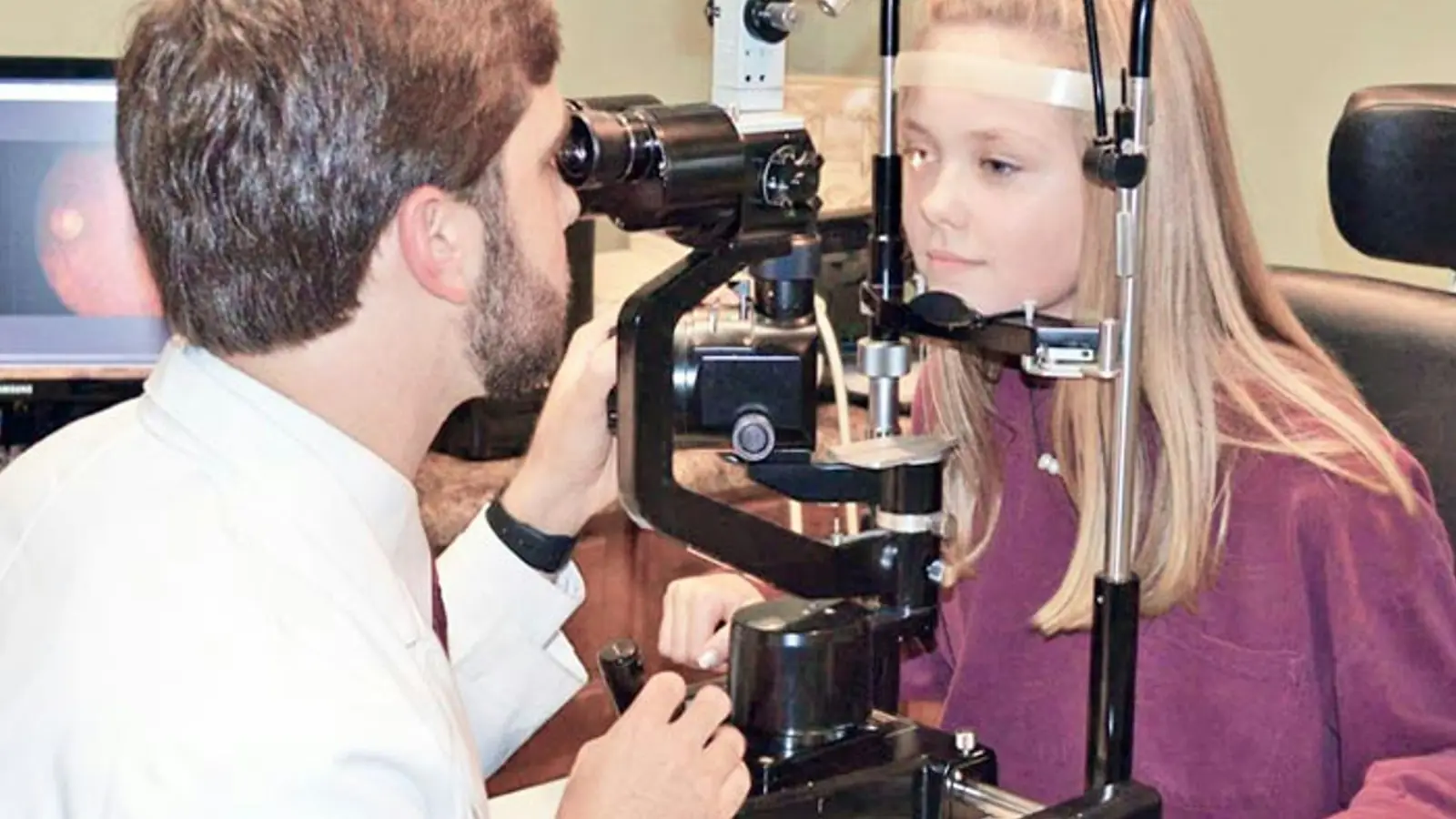
ExamA comprehensive eye exam checks how clearly you see and looks at the health of your whole eye. It can find problems before you notice them.
Myopia (nearsightedness) in children
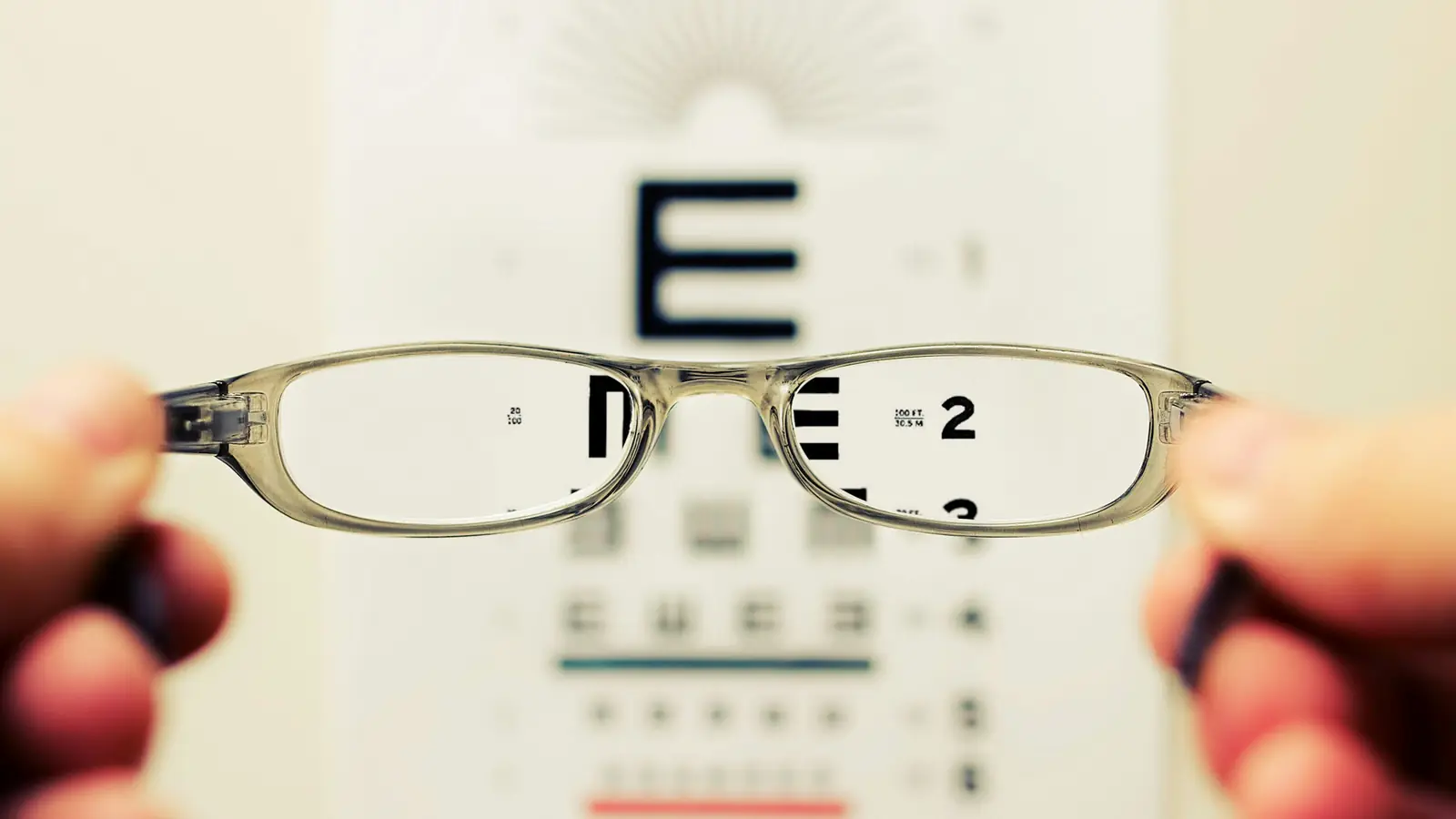
ConditionMyopia, or nearsightedness, makes things far away look blurry. It often starts in childhood and gets worse as children grow, and there are now ways to slow it down.