
Condition
Myopia (nearsightedness) in children
Myopia, or nearsightedness, makes things far away look blurry. It often starts in childhood and gets worse as children grow, and there are now ways to slow it down.
Key points
- Common signs
- Squinting, sitting close to the TV, trouble seeing the board at school, and frequent headaches.
- Who’s at risk
- Children with nearsighted parents, little time outdoors and long hours of close-up work.
- How it’s found
- A comprehensive eye exam. Drops that relax focusing help measure your child’s true prescription.
- Treatment
- Glasses or contacts help your child see clearly. Special lenses or low-dose atropine drops can slow myopia down.
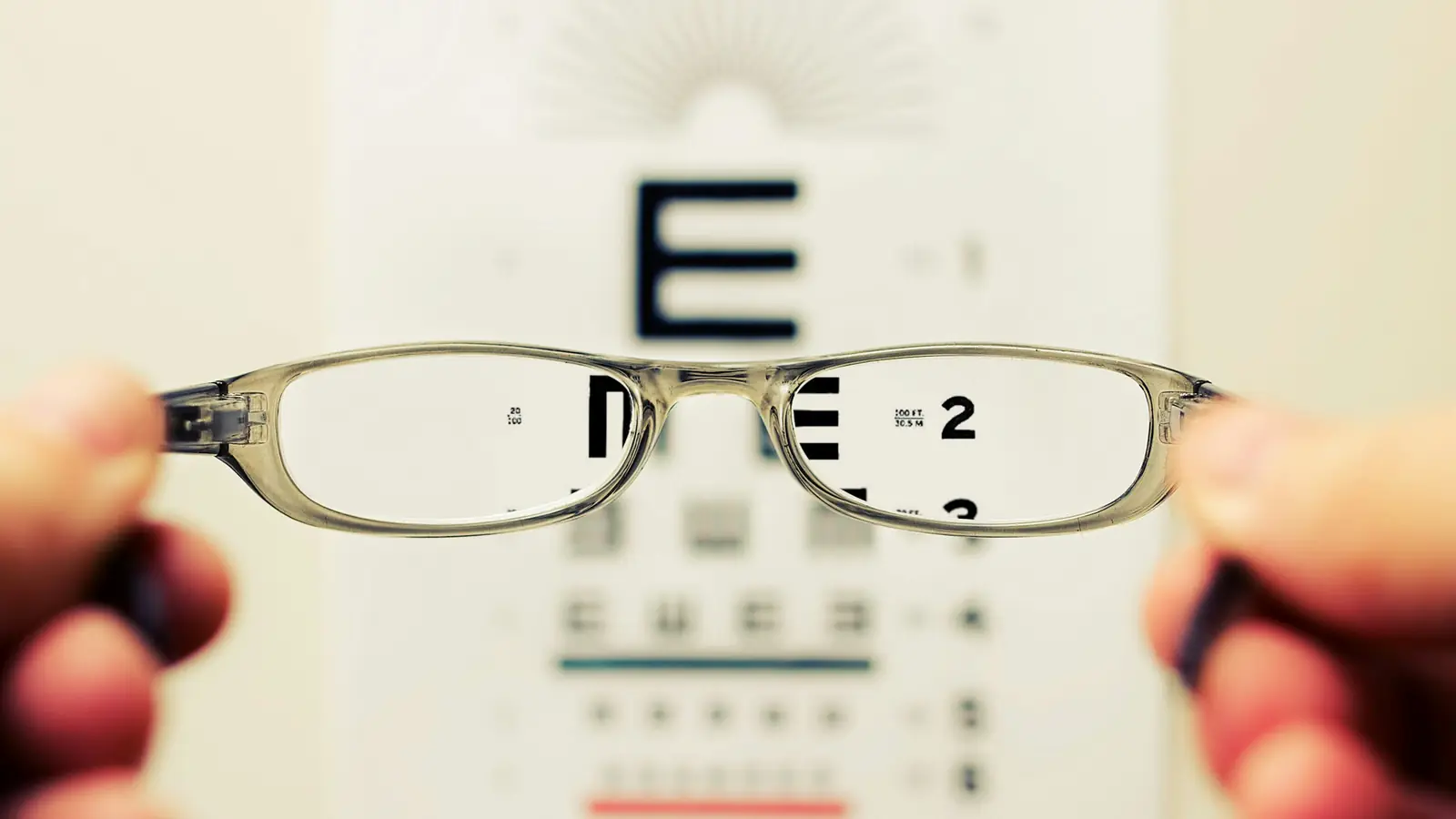
Myopia, also called nearsightedness, means your child can see things up close clearly, but things far away look blurry. It most often happens when the eye grows a little too long from front to back. Light then focuses in front of the retina instead of on it.
Myopia usually starts in school-age children. It often gets worse as a child grows, and tends to settle down in early adulthood. The younger a child is when it starts, the stronger it tends to become. Myopia is becoming more common in children around the world.
Strong myopia raises the risk of some eye problems later in life, such as retinal detachment, damage to the center of the retina, glaucoma and cataracts. This is why eye doctors now watch children’s myopia closely and may suggest ways to slow it down.
Related services
Related care topics
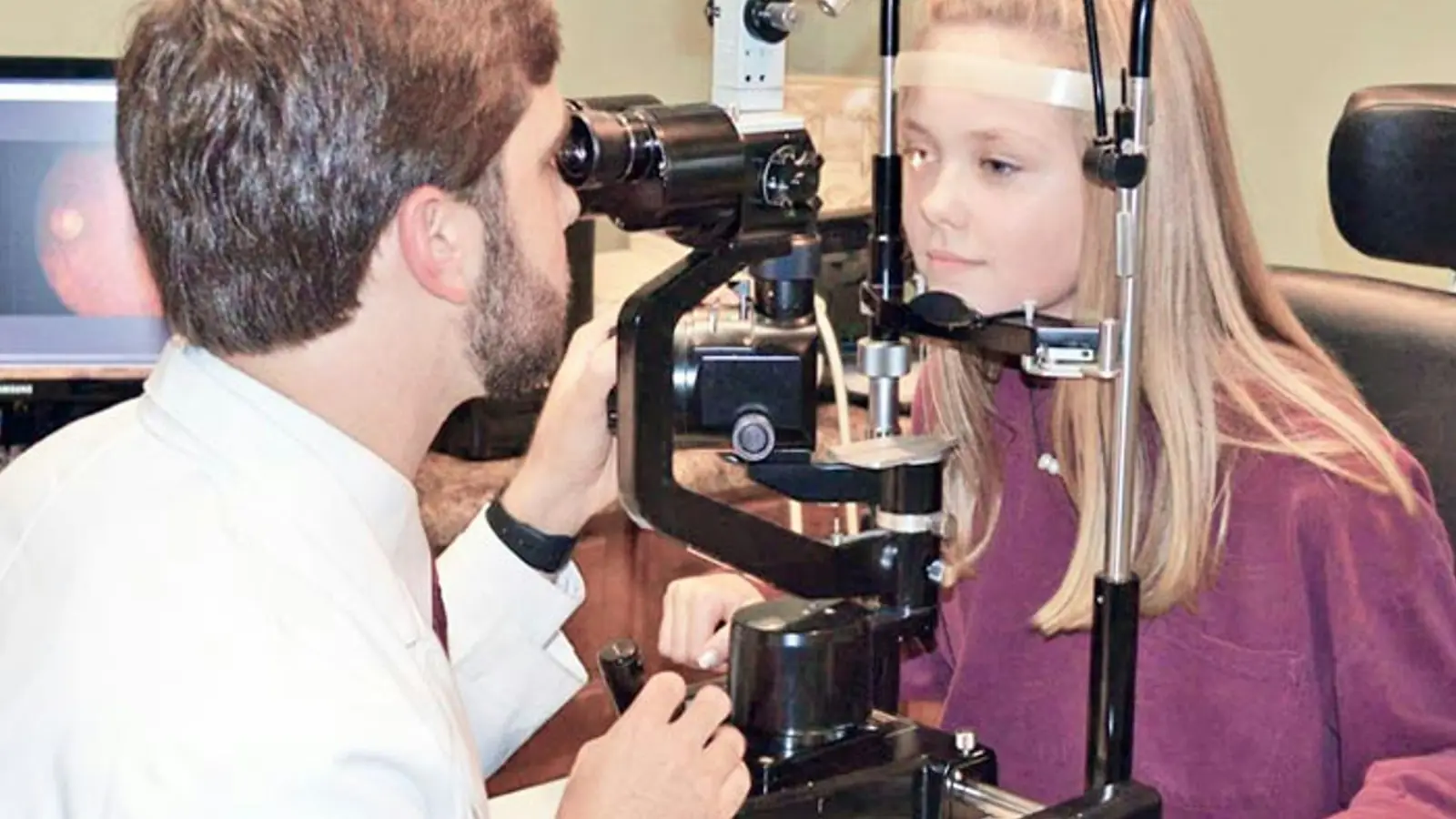
Comprehensive eye exam
ExamA comprehensive eye exam checks how clearly you see and looks at the health of your whole eye. It can find problems before you notice them.
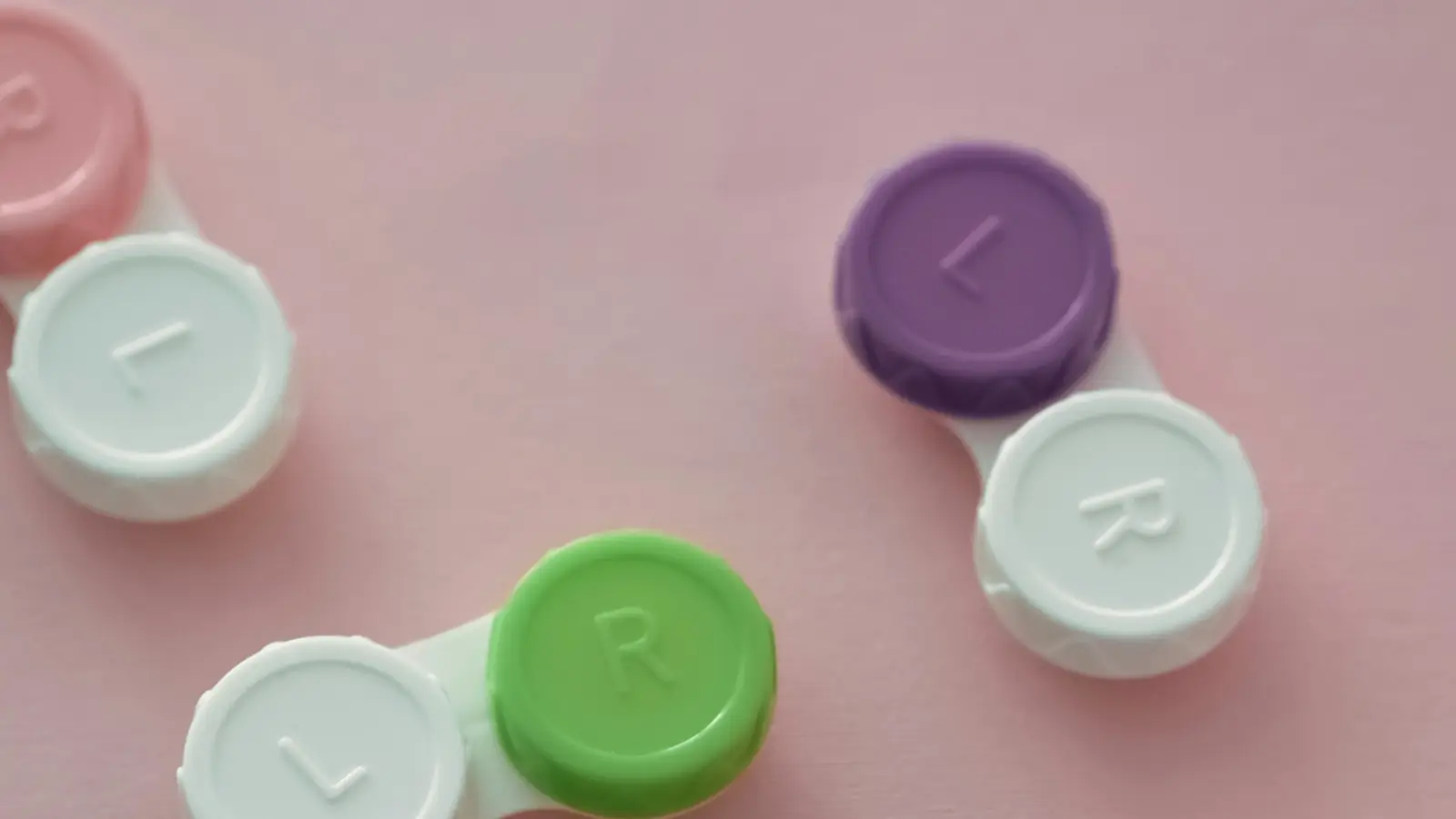
Contact lenses
Vision correctionContact lenses sit on the surface of your eye to correct your vision. With the right fit and good daily habits, they can be a safe, comfortable choice for many people.

Digital eye strain
SymptomDigital eye strain is the tired, sore or blurry feeling many people get after long hours on screens. It usually eases with rest, and simple habits can help.