
Vision correction
LASIK and laser vision correction
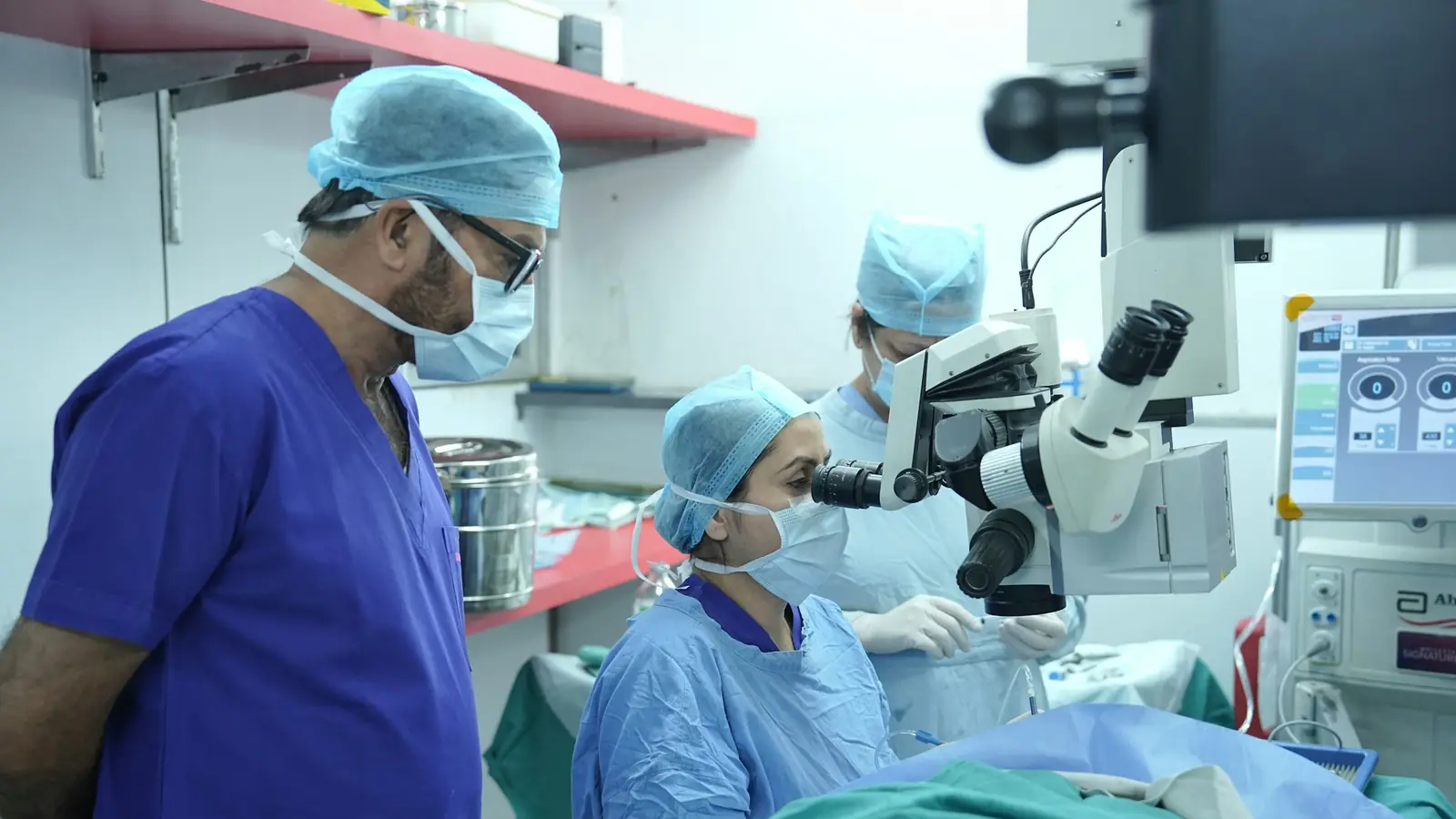
LASIK and other laser procedures reshape the front of the eye to reduce the need for glasses or contacts. They are not right for everyone, and a careful exam with your eye doctor comes first.
Key points
- Treatment
- A laser reshapes the cornea to correct nearsightedness, farsightedness and astigmatism. It doesn’t prevent the need for reading glasses later.
- Good to know
- Not for people with thin or irregular corneas, severe dry eye, a changing prescription, or some health conditions.
- How it’s found
- A detailed exam maps your cornea, checks your tears and your prescription, and looks at the health of your eyes.
- How often
- Several check-ups in the first months, then regular eye exams for life. LASIK doesn’t protect you from eye disease.
Related care topics
Comprehensive eye exam
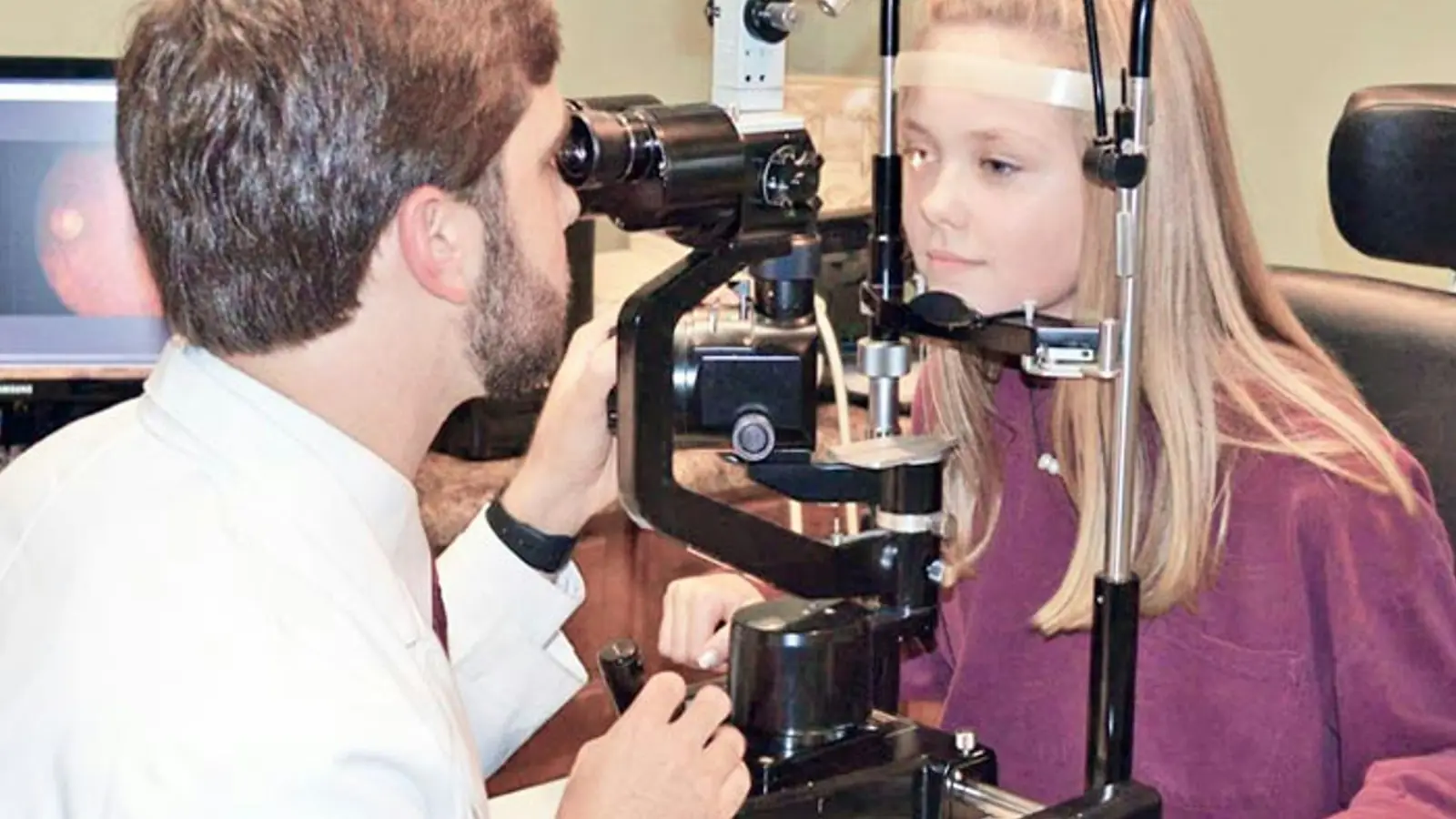
ExamA comprehensive eye exam checks how clearly you see and looks at the health of your whole eye. It can find problems before you notice them.
Dry eye
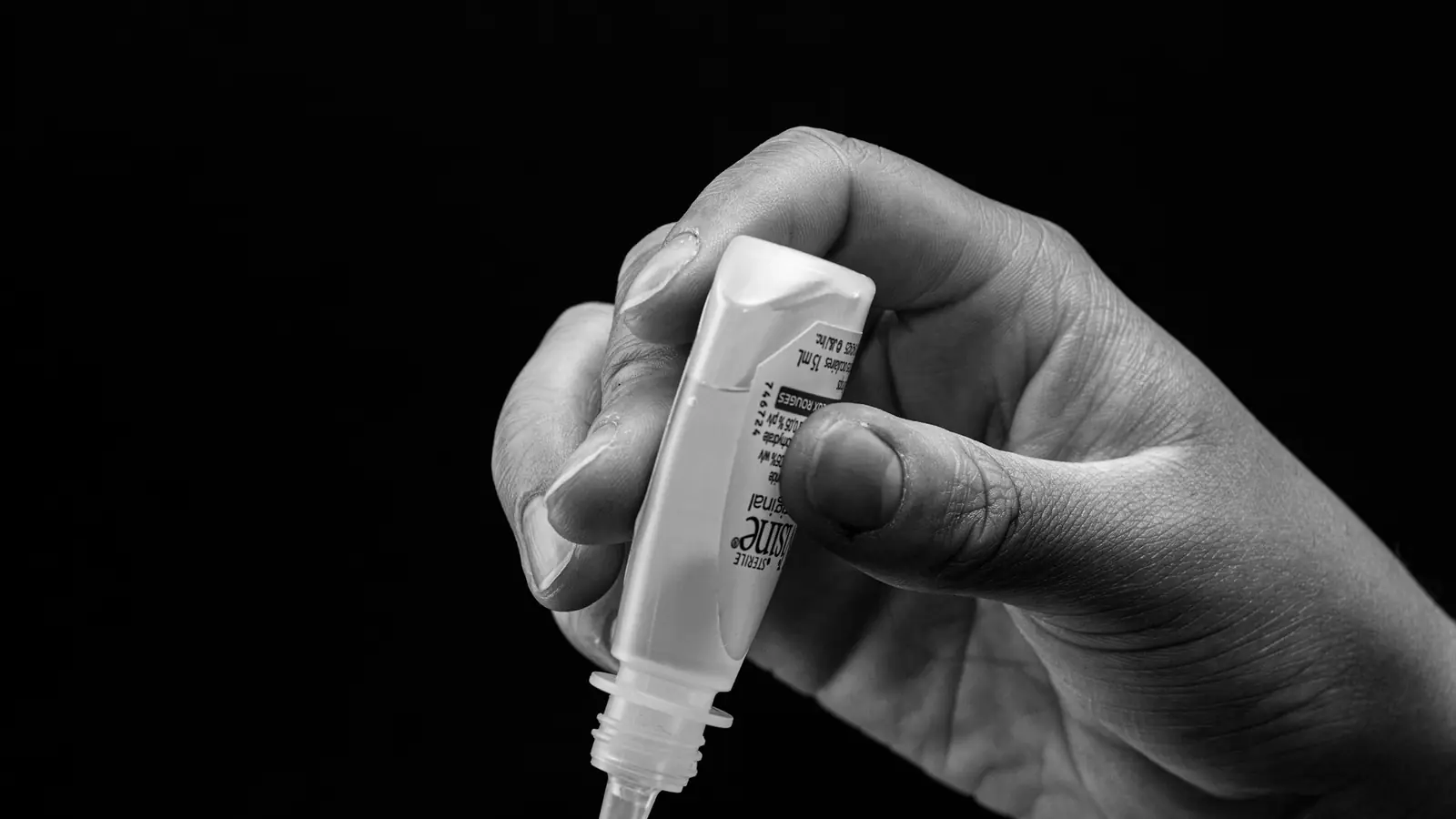
ConditionDry eye happens when your tears can’t keep the front of your eye moist and comfortable. It is common, and there are many ways to ease it.

Contact lenses
Vision correctionContact lenses sit on the surface of your eye to correct your vision. With the right fit and good daily habits, they can be a safe, comfortable choice for many people.
Eyeglasses
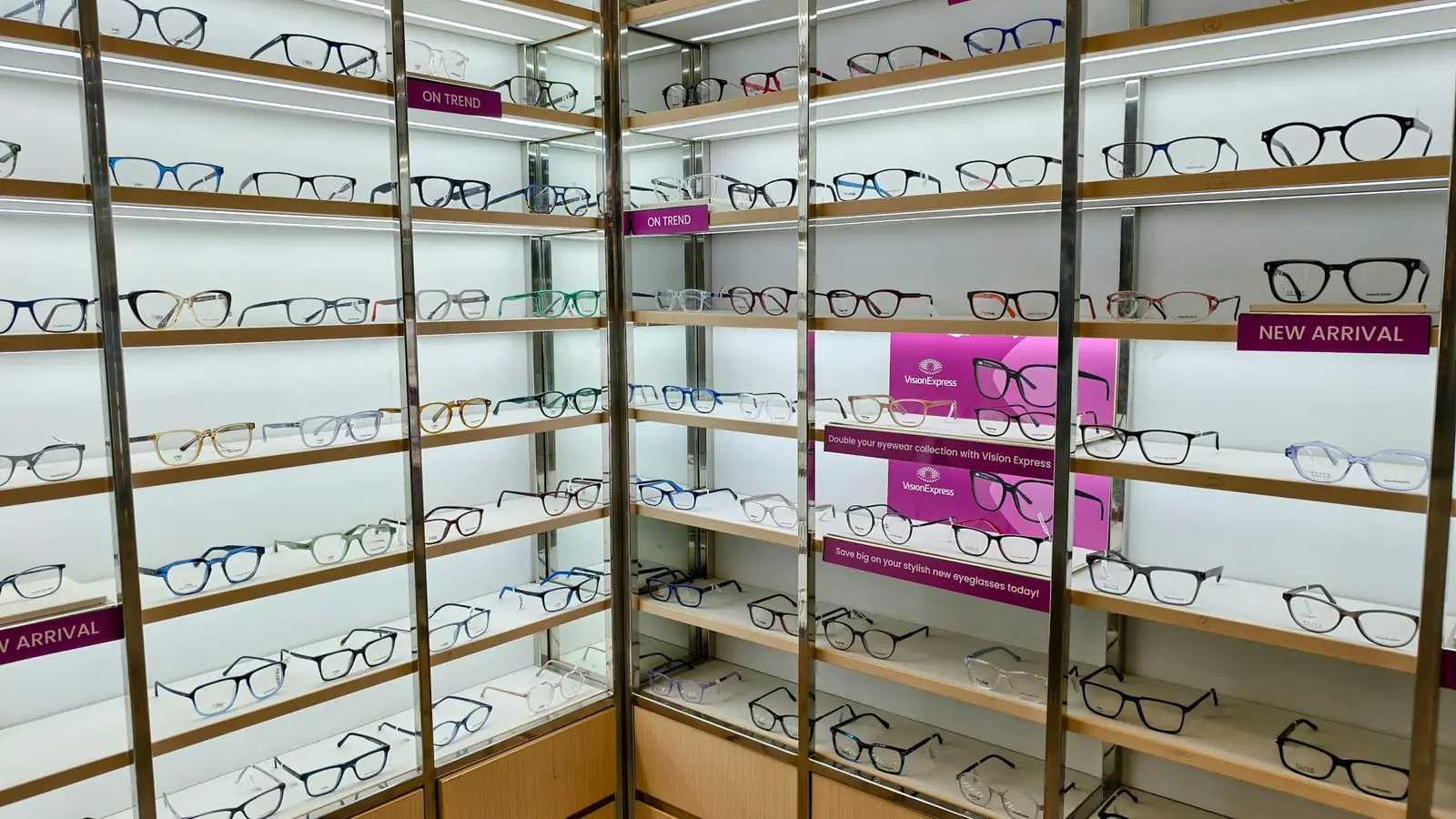
Vision correctionGlasses bend light so it focuses clearly in your eye. They correct nearsightedness, farsightedness, astigmatism and blurry close-up vision, and they are the simplest, safest option for most people.