
Vision correction
Eyeglasses
Glasses bend light so it focuses clearly in your eye. They correct nearsightedness, farsightedness, astigmatism and blurry close-up vision, and they are the simplest, safest option for most people.
Key points
- Treatment
- Glasses correct nearsightedness, farsightedness, astigmatism and blurry close-up vision. They don’t make your eyes weaker.
- How it’s found
- An eye exam checks your prescription and your eye health. Then an optician measures how the frames sit on your face.
- Good to know
- Children and people who play sports need impact-resistant lenses. Everyday glasses are not safety glasses.
- How often
- Have your eyes checked as often as your eye doctor suggests. Your prescription can change over time.
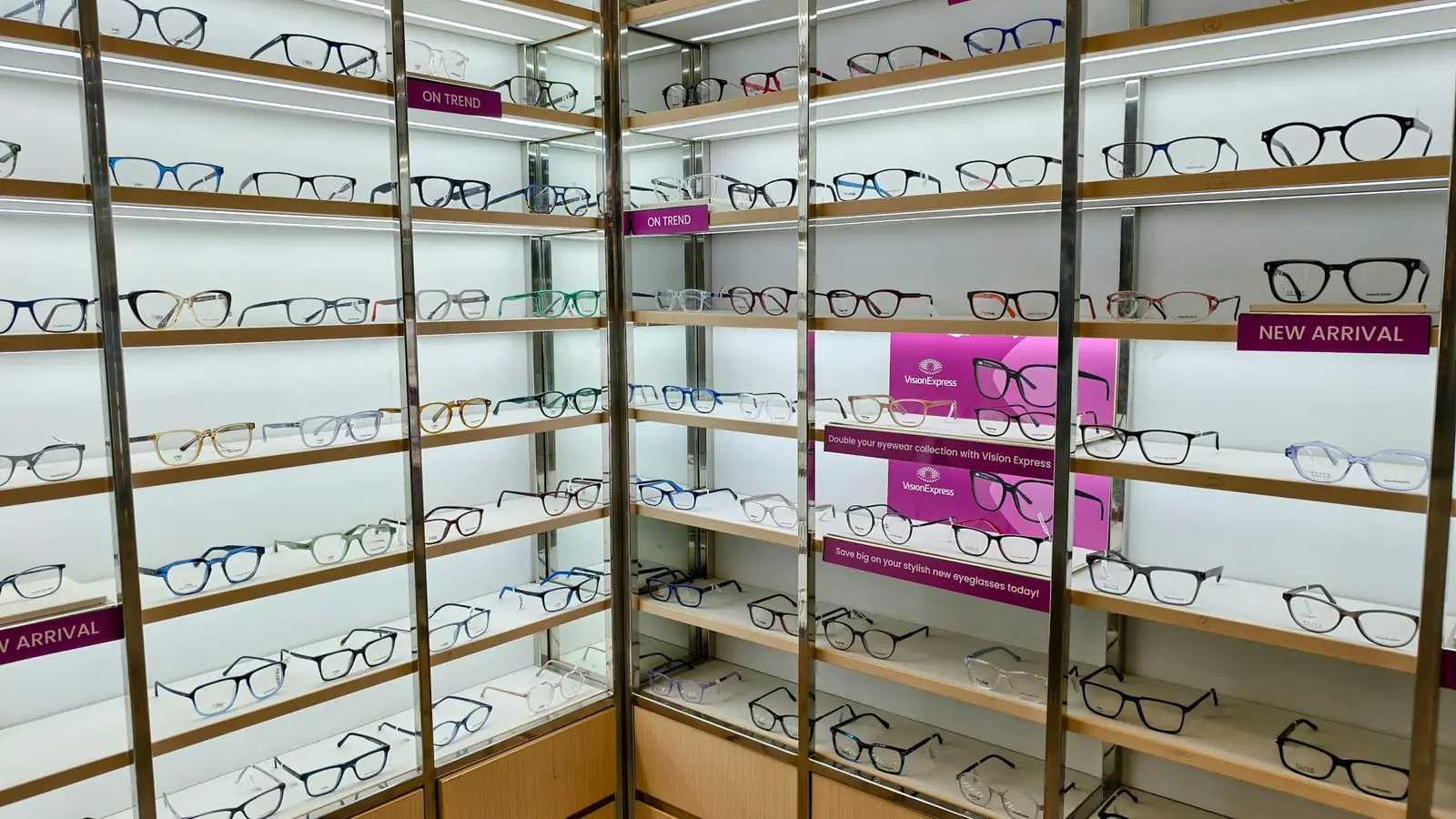
More from Invision Care Optometry about eyeglasses
Related care topics
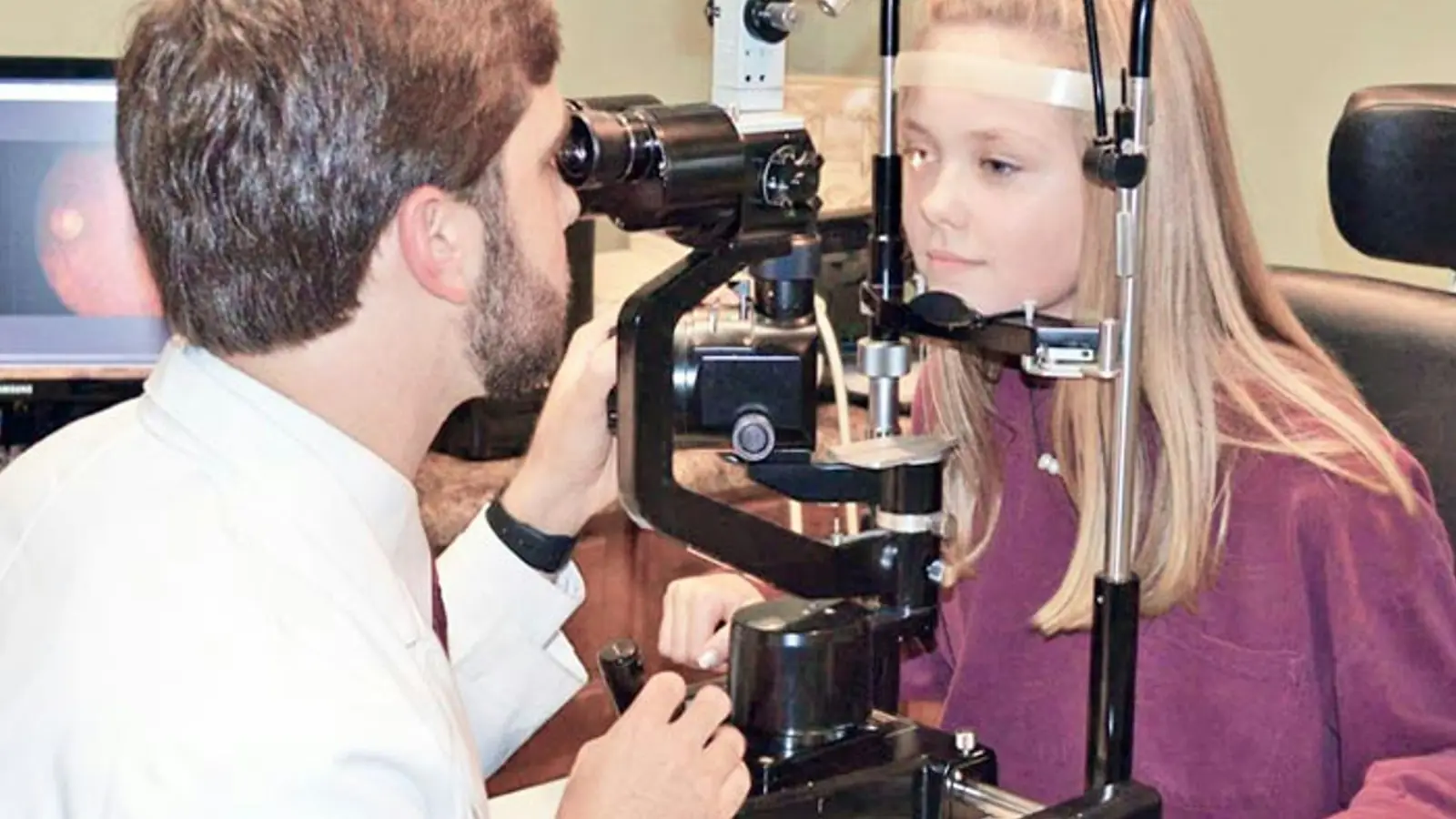
Comprehensive eye exam
ExamA comprehensive eye exam checks how clearly you see and looks at the health of your whole eye. It can find problems before you notice them.
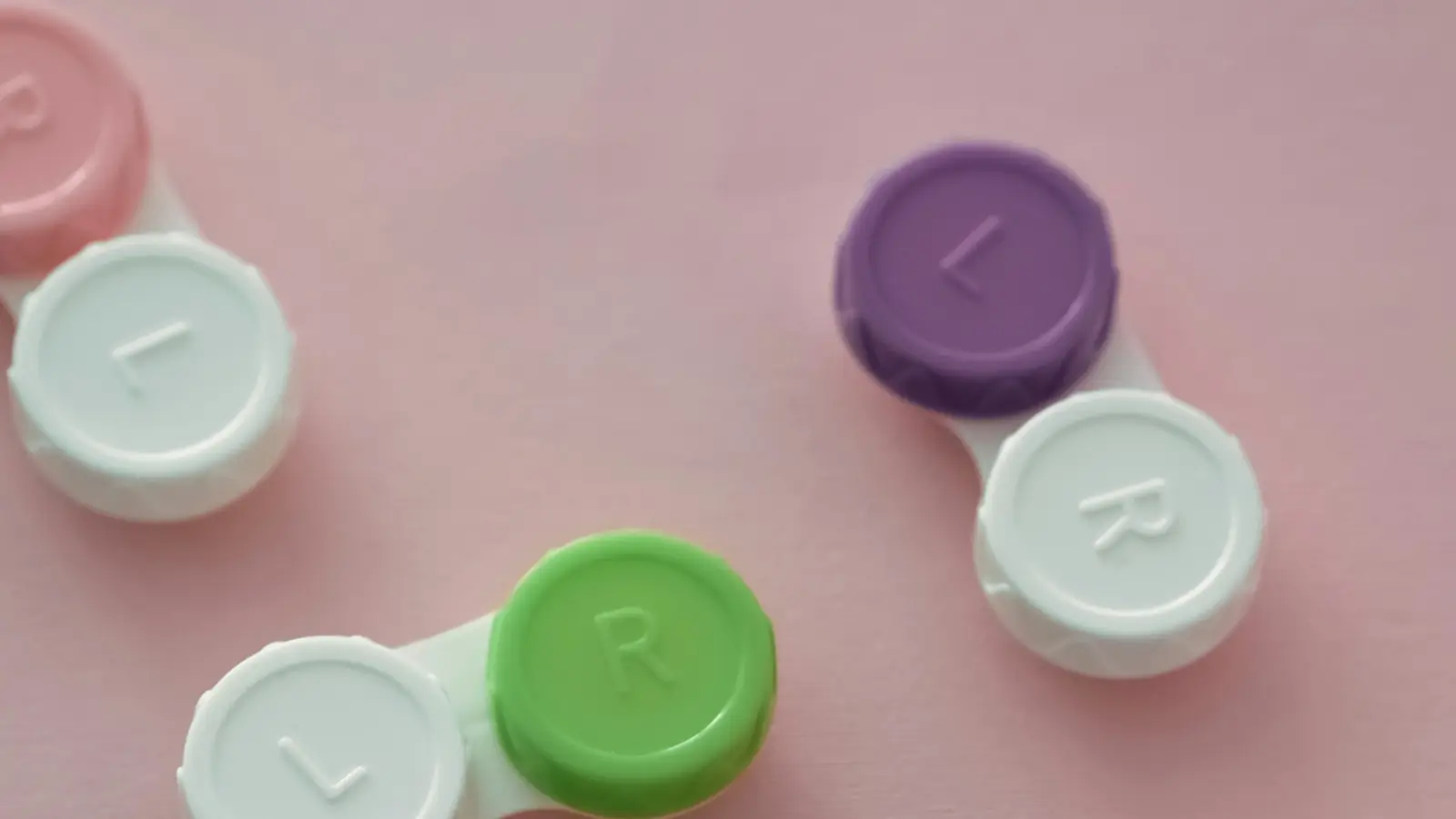
Contact lenses
Vision correctionContact lenses sit on the surface of your eye to correct your vision. With the right fit and good daily habits, they can be a safe, comfortable choice for many people.
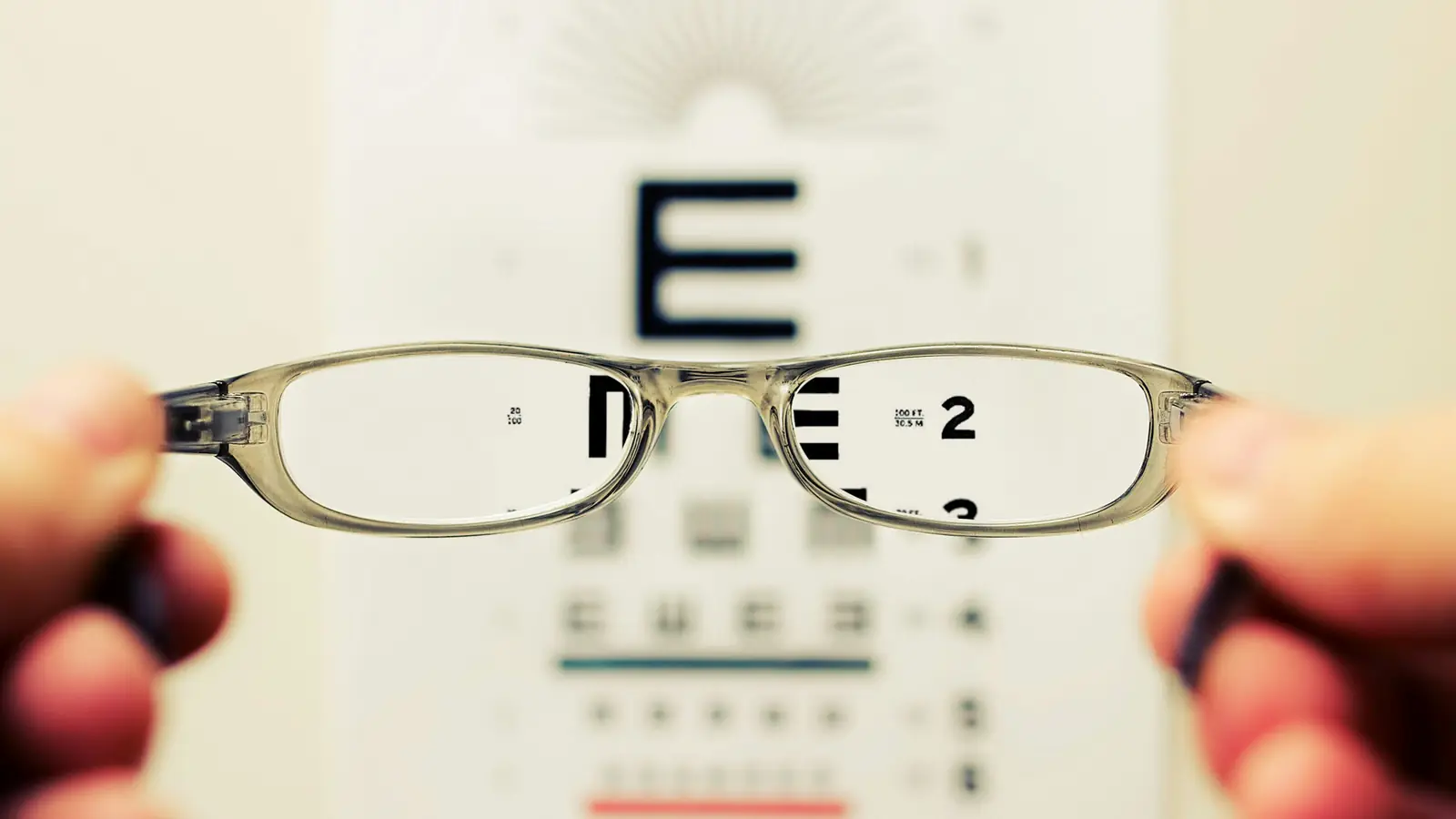
Myopia (nearsightedness) in children
ConditionMyopia, or nearsightedness, makes things far away look blurry. It often starts in childhood and gets worse as children grow, and there are now ways to slow it down.

Digital eye strain
SymptomDigital eye strain is the tired, sore or blurry feeling many people get after long hours on screens. It usually eases with rest, and simple habits can help.