
Condition
Dry eye
Dry eye happens when your tears can’t keep the front of your eye moist and comfortable. It is common, and there are many ways to ease it.
Key points
- Common signs
- Dry, gritty, burning or watery eyes, and blurry vision that clears when you blink.
- Who’s at risk
- Older adults, women, contact lens wearers and people who spend long hours on screens.
- How it’s found
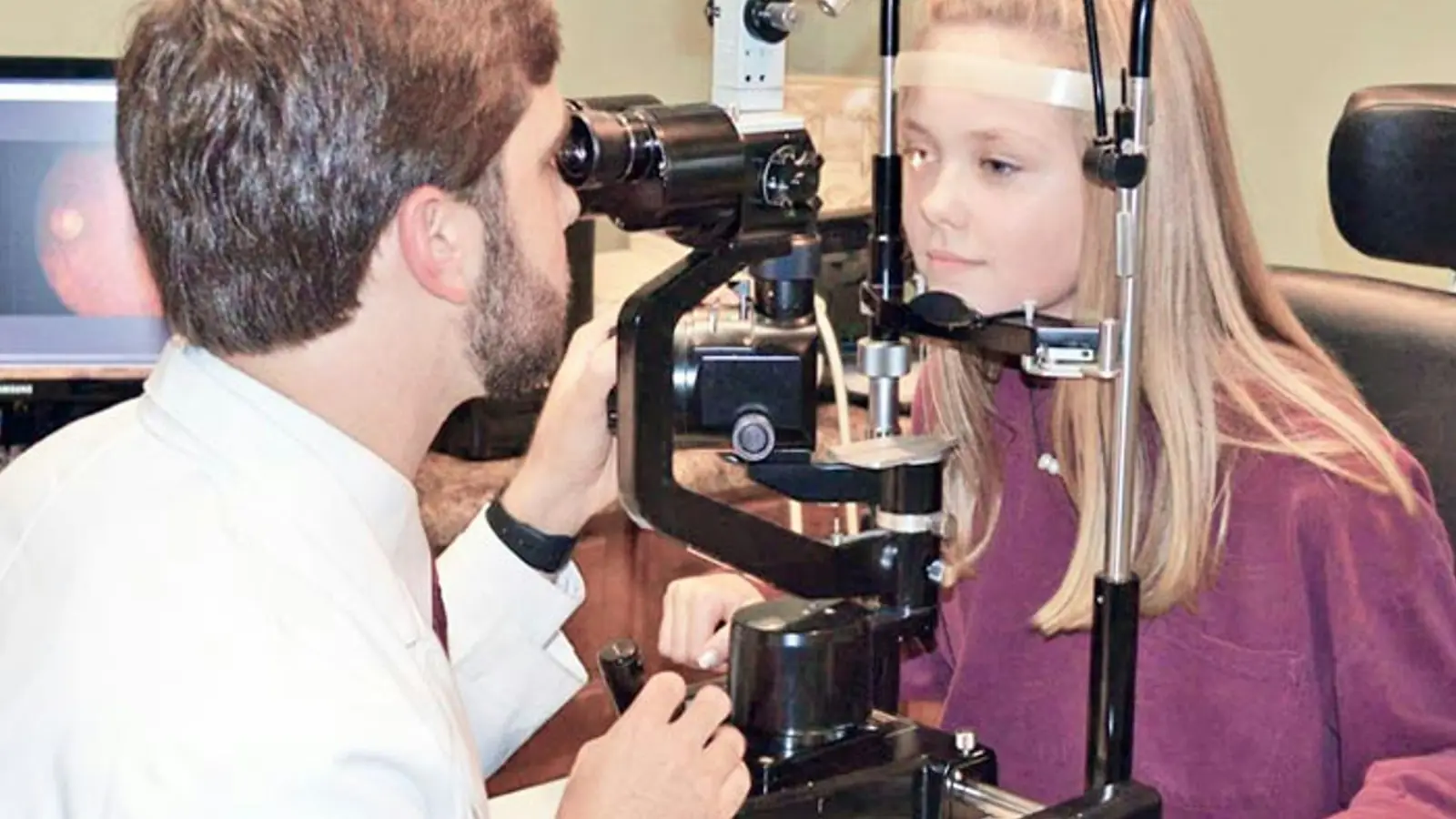
- Your eye doctor looks at your eyelids, oil glands and tears with a microscope, and may use a harmless dye.
- Treatment
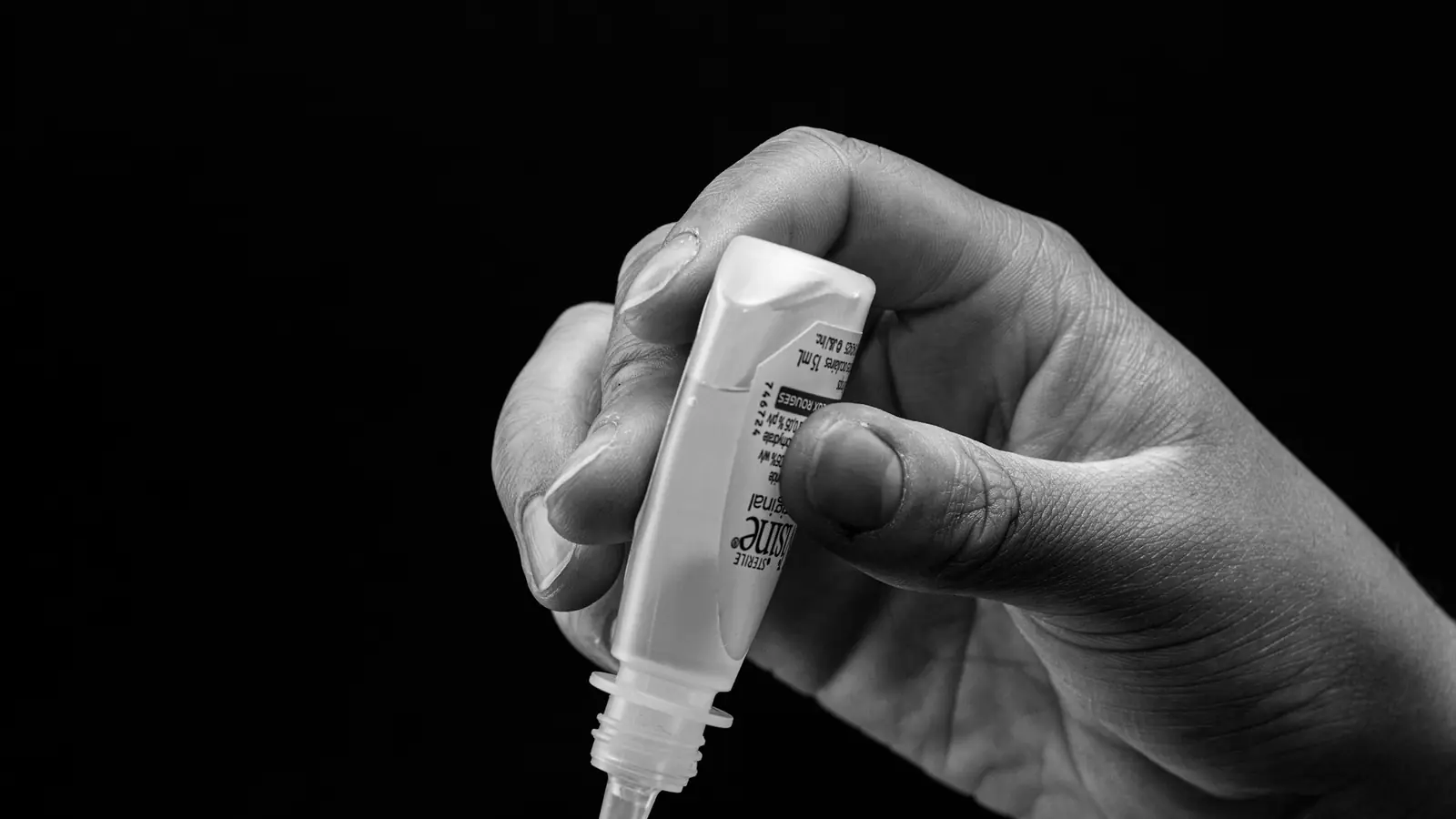
- Eye drops, warm compresses, eyelid care and daily habits. Some people need prescription drops, office treatments or tear duct plugs.
Related services
Related care topics

Digital eye strain
SymptomDigital eye strain is the tired, sore or blurry feeling many people get after long hours on screens. It usually eases with rest, and simple habits can help.

Contact lenses
Vision correctionContact lenses sit on the surface of your eye to correct your vision. With the right fit and good daily habits, they can be a safe, comfortable choice for many people.
Comprehensive eye exam
ExamA comprehensive eye exam checks how clearly you see and looks at the health of your whole eye. It can find problems before you notice them.