
Condition
Presbyopia
Presbyopia is the normal, age-related loss of close-up focus that most people notice in their 40s. Reading glasses, multifocal lenses and other options can help you see clearly up close again.
Key points
- Common signs
- Holding things farther away to read, needing more light, and tired eyes after close work.
- Who’s at risk
- Everyone, usually starting in the early to mid-40s. Farsighted people may notice it sooner.
- How it’s found
- A comprehensive eye exam that checks near and far vision, and the health of your eyes.
- Treatment
- Reading glasses, bifocals, progressive lenses, multifocal contacts, prescription drops or surgery.
Related care topics
Farsightedness (hyperopia)
ConditionFarsightedness, or hyperopia, makes it harder to focus on things up close, and sometimes far away too. It is common, often runs in families, and is easy to correct with glasses or contact lenses.

Cataracts
ConditionA cataract is a cloudy area in the lens inside your eye. Cataracts form slowly with age, and surgery can replace the cloudy lens when it gets in the way of daily life.

Contact lenses
Vision correctionContact lenses sit on the surface of your eye to correct your vision. With the right fit and good daily habits, they can be a safe, comfortable choice for many people.
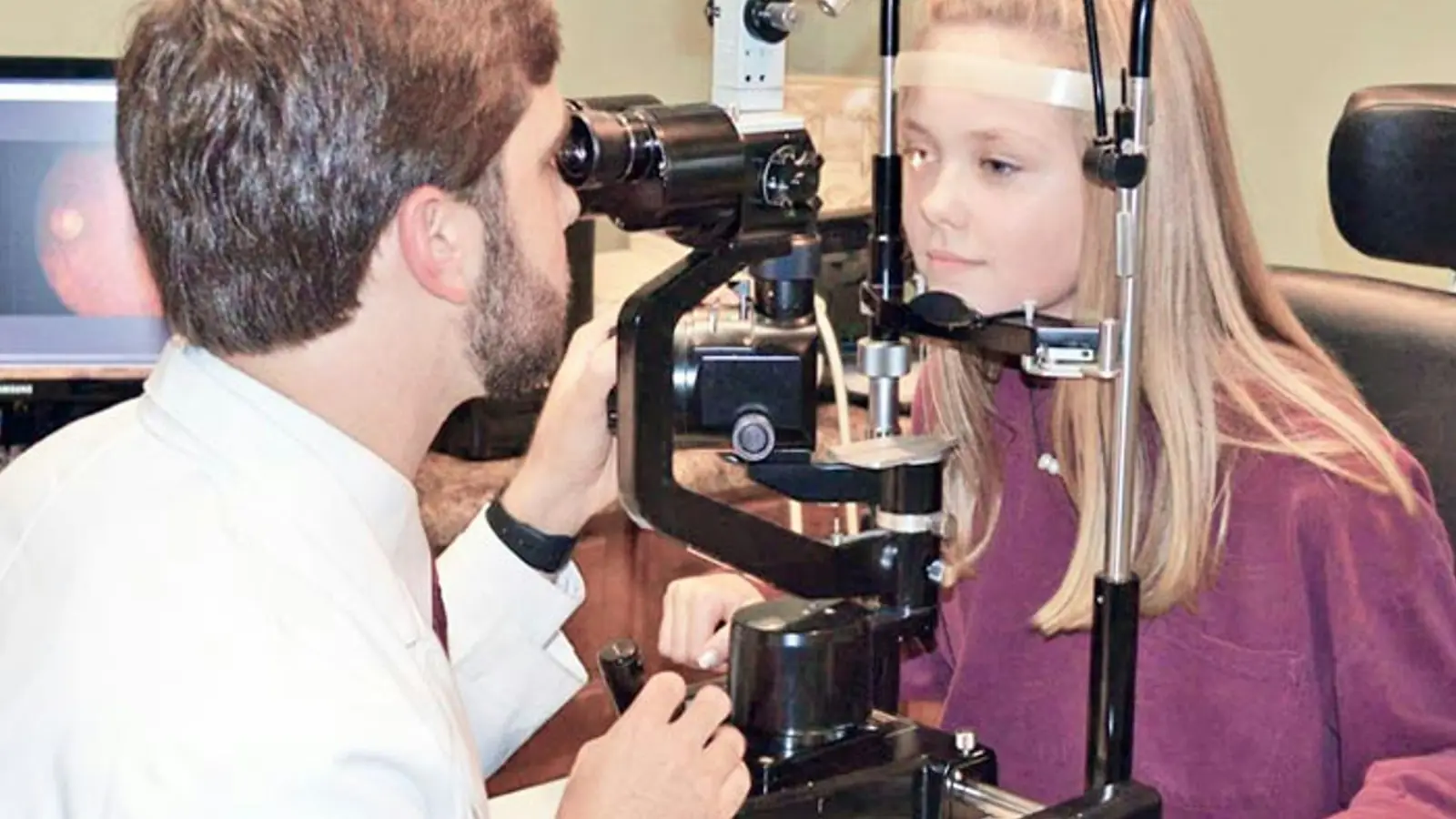
Comprehensive eye exam
ExamA comprehensive eye exam checks how clearly you see and looks at the health of your whole eye. It can find problems before you notice them.