
Condition
Farsightedness (hyperopia)
Farsightedness, or hyperopia, makes it harder to focus on things up close, and sometimes far away too. It is common, often runs in families, and is easy to correct with glasses or contact lenses.
Key points
- Common signs
- Blurry close-up vision, tired or strained eyes, and headaches after reading. Children may have no signs.
- Who’s at risk
- People with a farsighted parent, adults over 40, and children with an eye that turns in.
- How it’s found
- A comprehensive eye exam. Children often need drops that relax focusing to show their true prescription.
- Treatment
- Glasses or contact lenses. Some adults may choose laser vision correction or lens surgery.
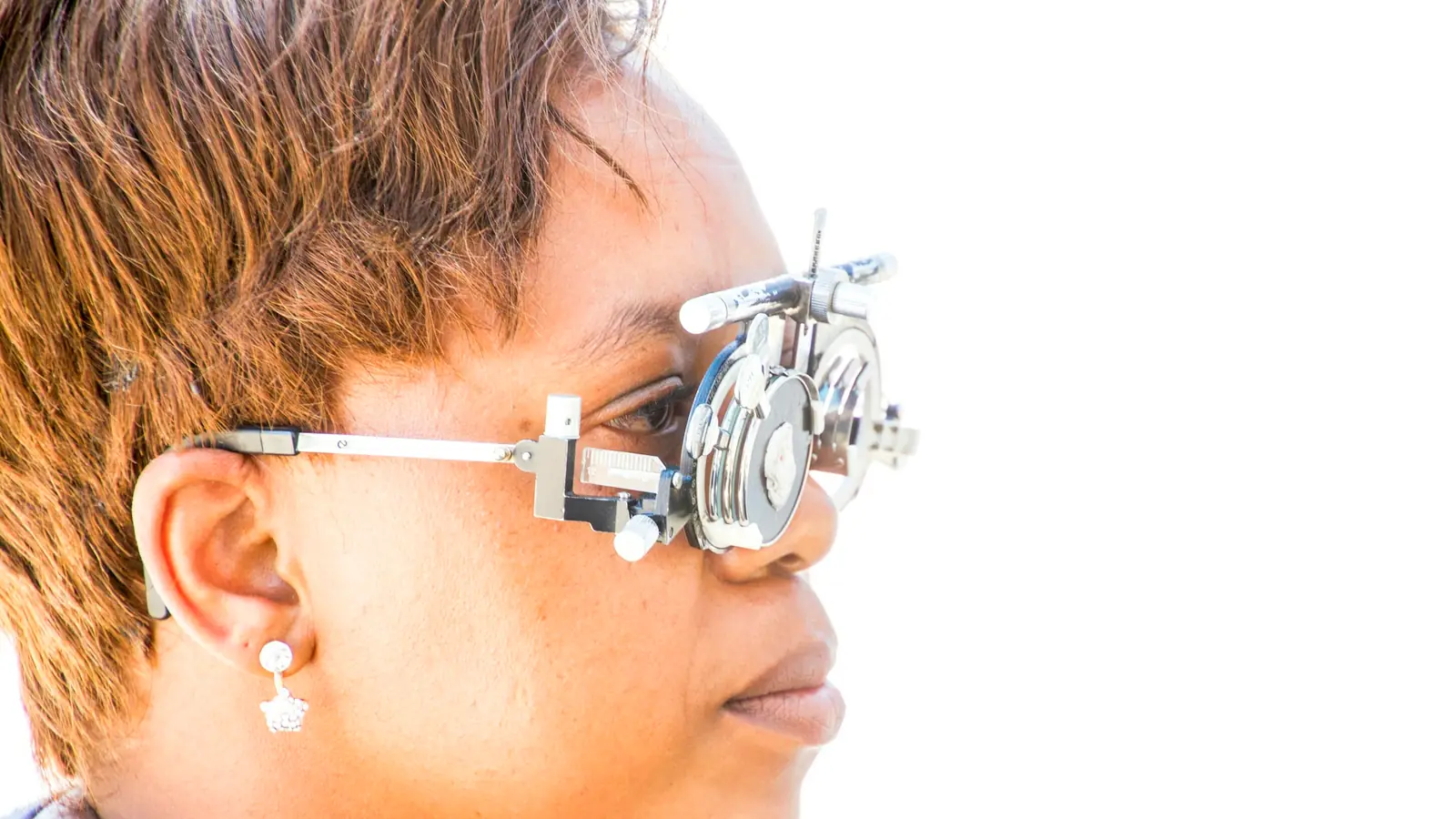
Related care topics
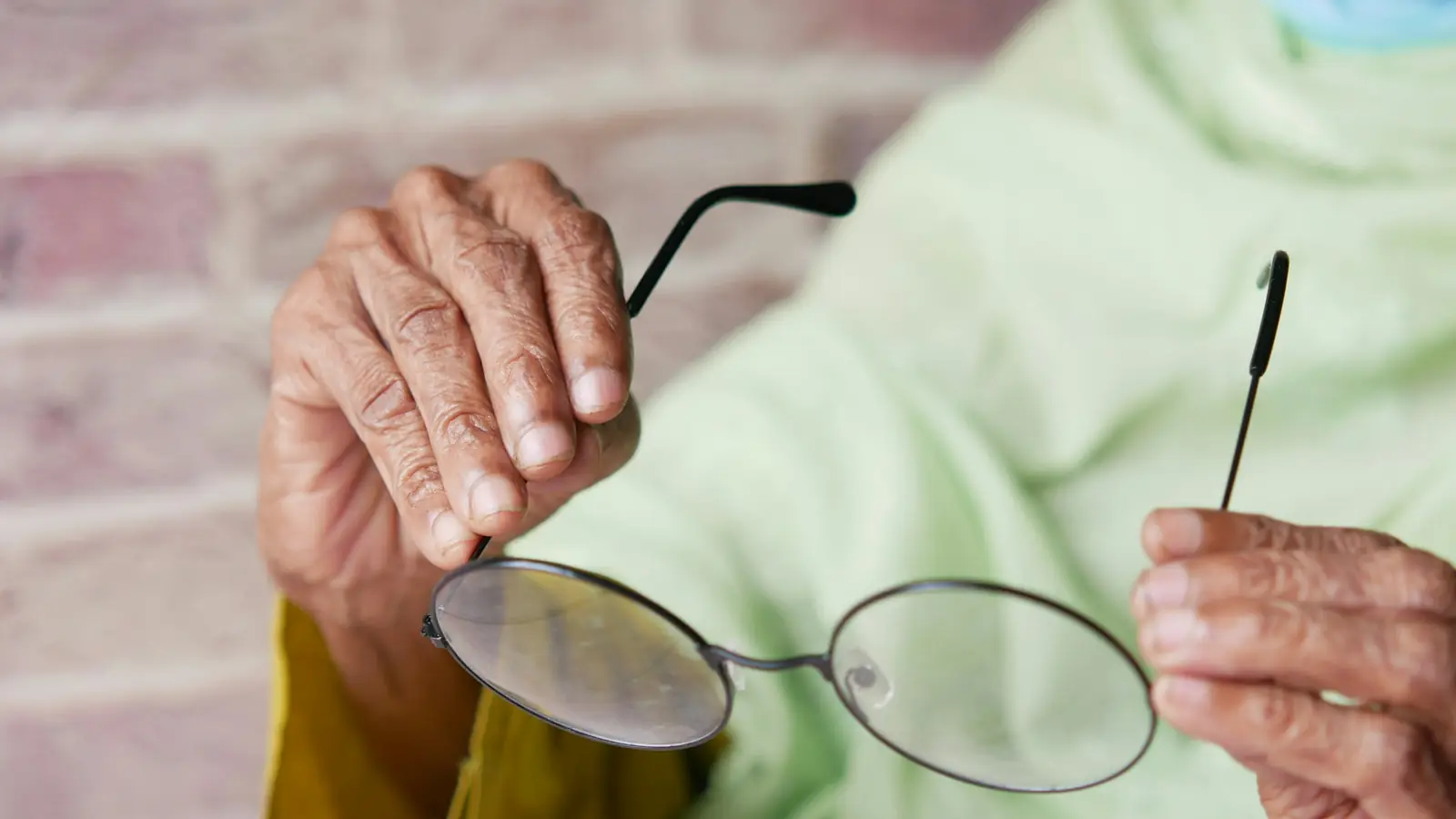
Presbyopia
ConditionPresbyopia is the normal, age-related loss of close-up focus that most people notice in their 40s. Reading glasses, multifocal lenses and other options can help you see clearly up close again.
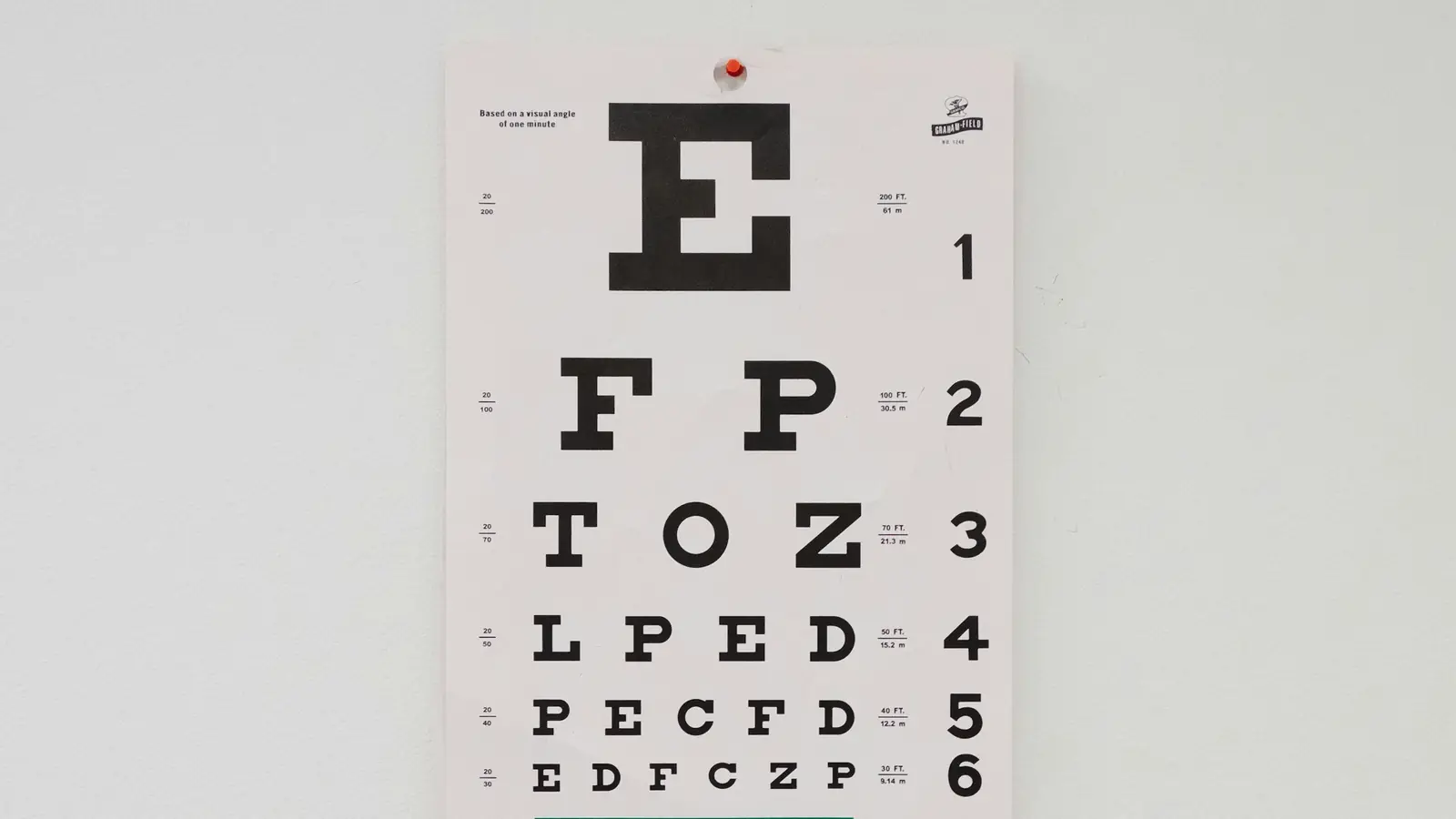
Astigmatism
ConditionAstigmatism is a common focusing problem caused by an unevenly curved eye. It can make vision blurry or stretched at any distance, and it is easy to correct with glasses or contact lenses.
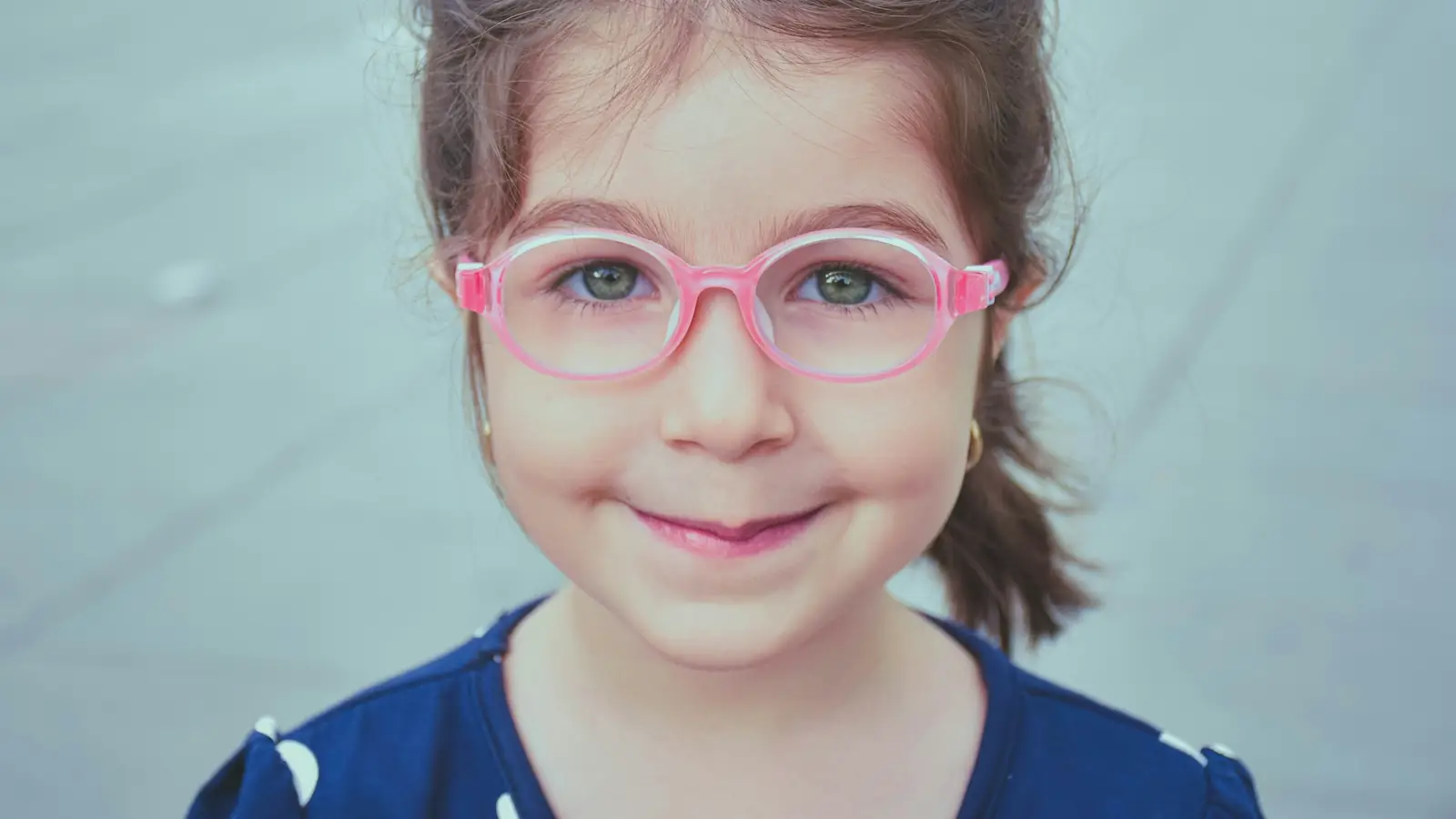
Amblyopia (lazy eye)
ConditionAmblyopia, or lazy eye, is when vision in one eye does not develop fully in childhood. It often has no signs, and it responds best to treatment when it is found early.
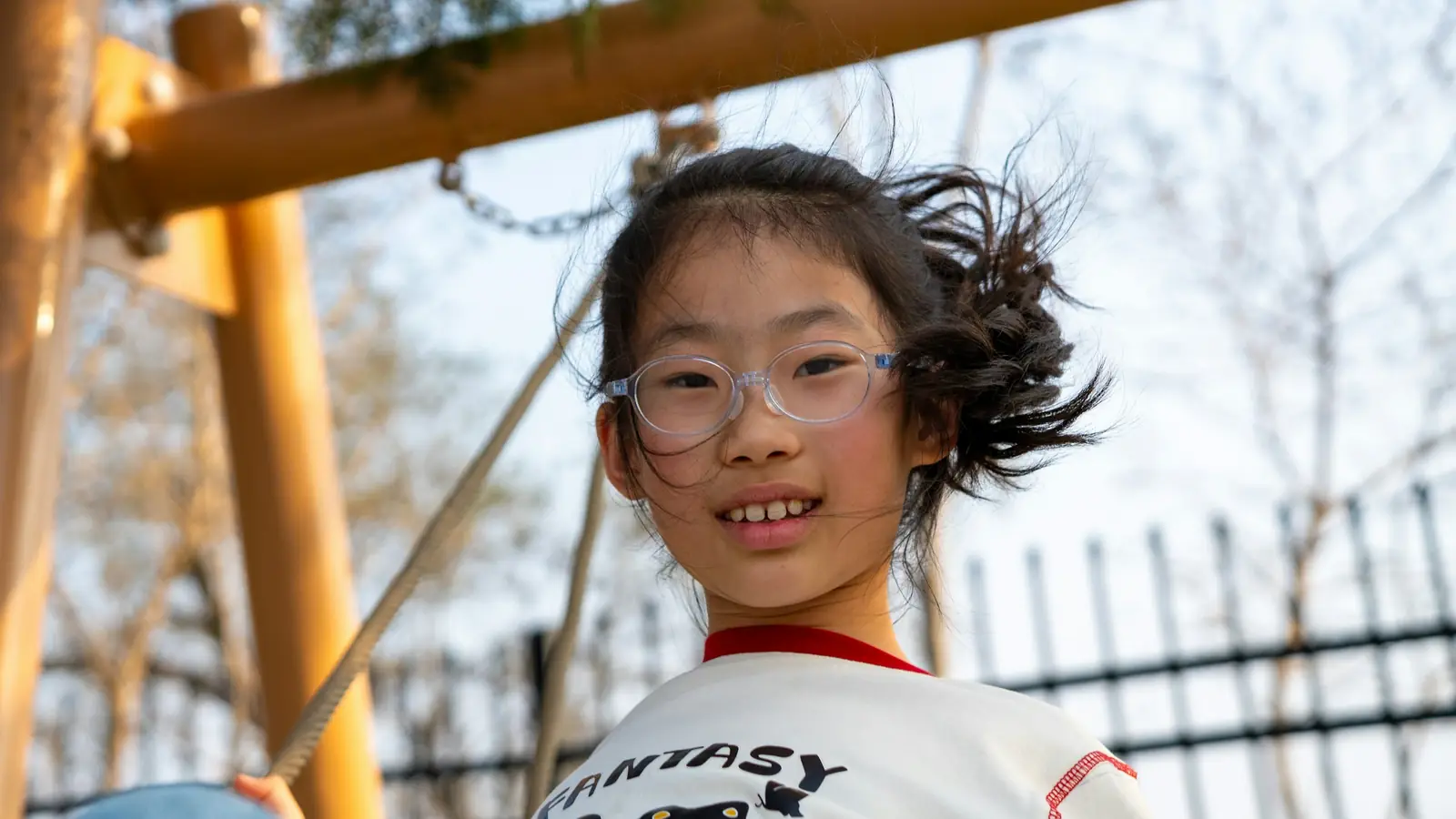
Strabismus (eye turn)
ConditionStrabismus is when the eyes don’t line up, so one eye turns in, out, up or down. In children it can lead to lazy eye, and in adults it often causes double vision. Treatment can help at any age.
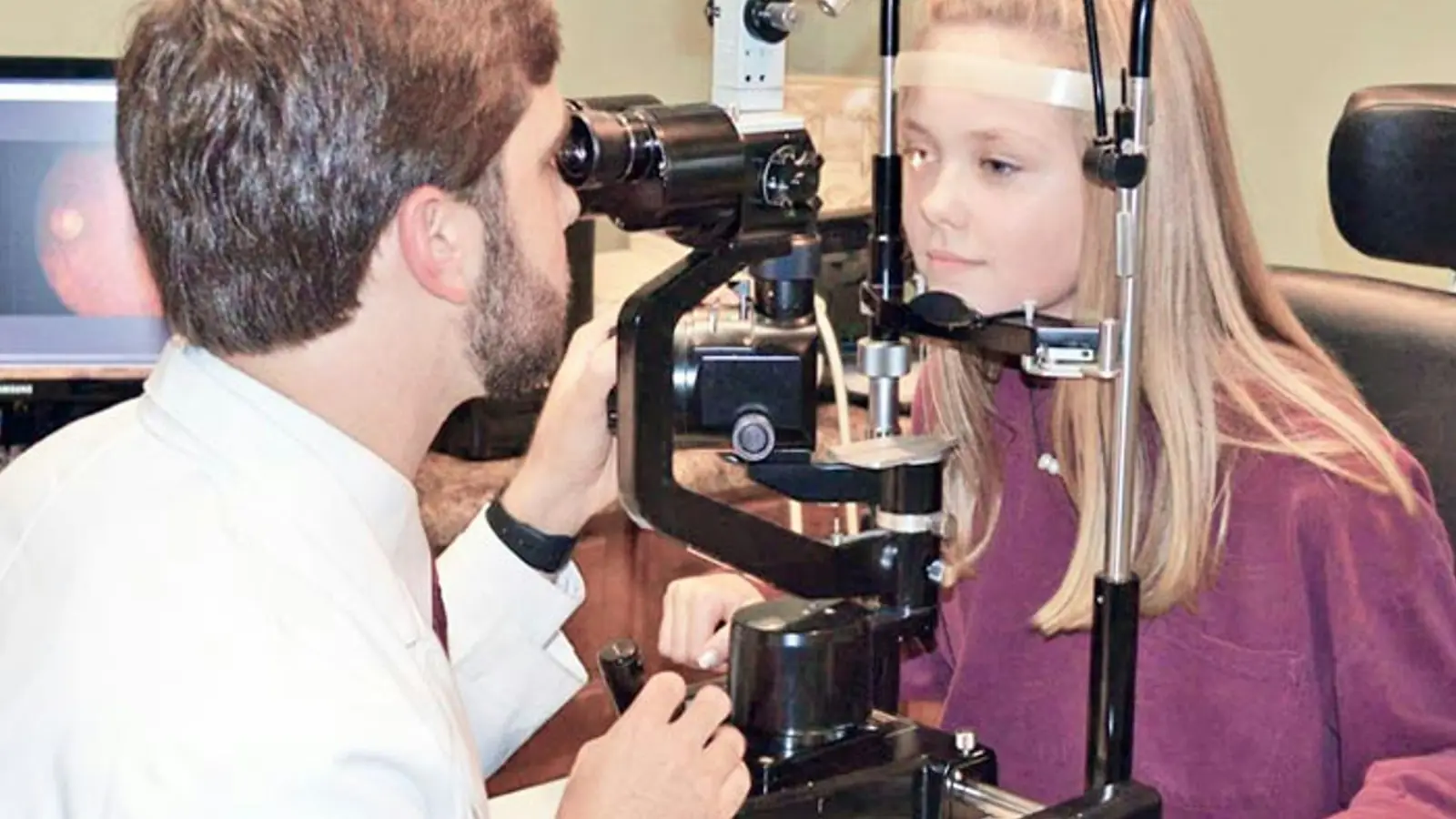
Comprehensive eye exam
ExamA comprehensive eye exam checks how clearly you see and looks at the health of your whole eye. It can find problems before you notice them.