
Condition
Astigmatism
Astigmatism is a common focusing problem caused by an unevenly curved eye. It can make vision blurry or stretched at any distance, and it is easy to correct with glasses or contact lenses.
Key points
- Common signs
- Blurry or stretched vision at any distance, eye strain, headaches, and glare at night.
- Who’s at risk
- Anyone. It often runs in families and is common in people who are nearsighted or farsighted.
- How it’s found
- A comprehensive eye exam, which may include measuring or mapping the curve of the front of your eye.
- Treatment
- Glasses or contact lenses for astigmatism. Some adults may choose laser vision correction.
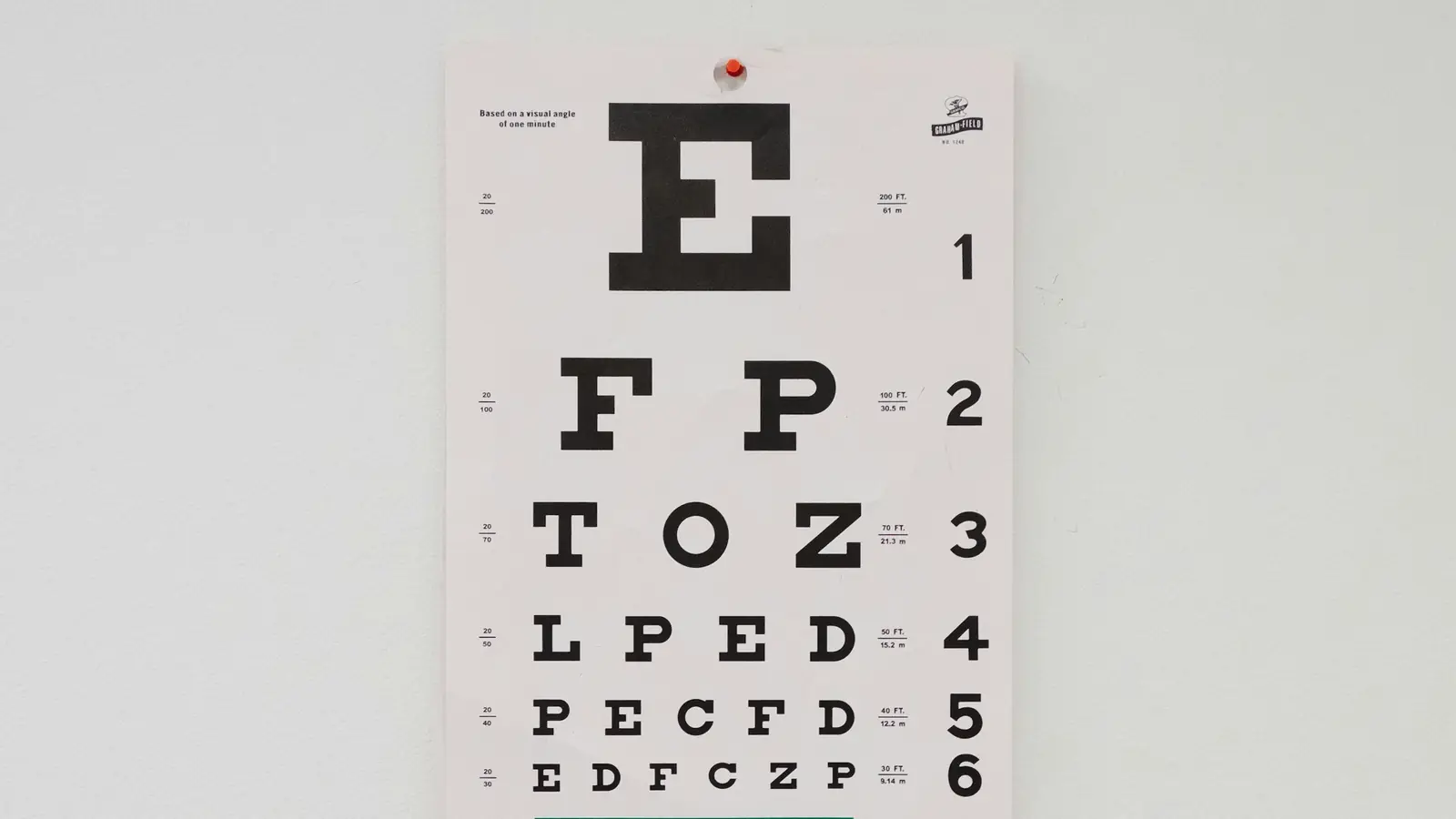
Related care topics
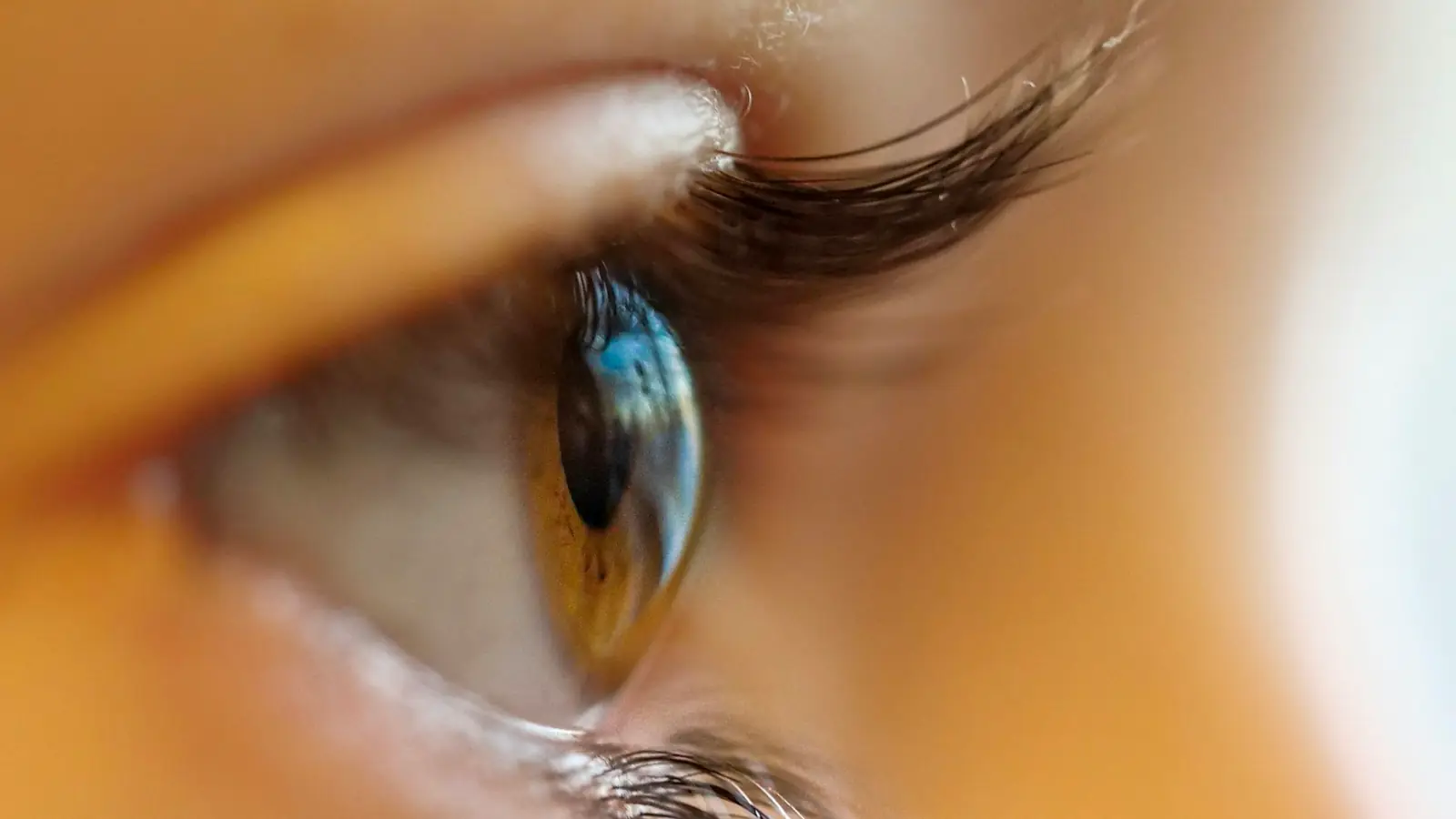
Keratoconus
ConditionKeratoconus happens when the clear front of the eye thins and bulges into a cone shape, blurring your vision. It often starts in the teens or twenties, and treatment can help you see and slow it down.

Contact lenses
Vision correctionContact lenses sit on the surface of your eye to correct your vision. With the right fit and good daily habits, they can be a safe, comfortable choice for many people.
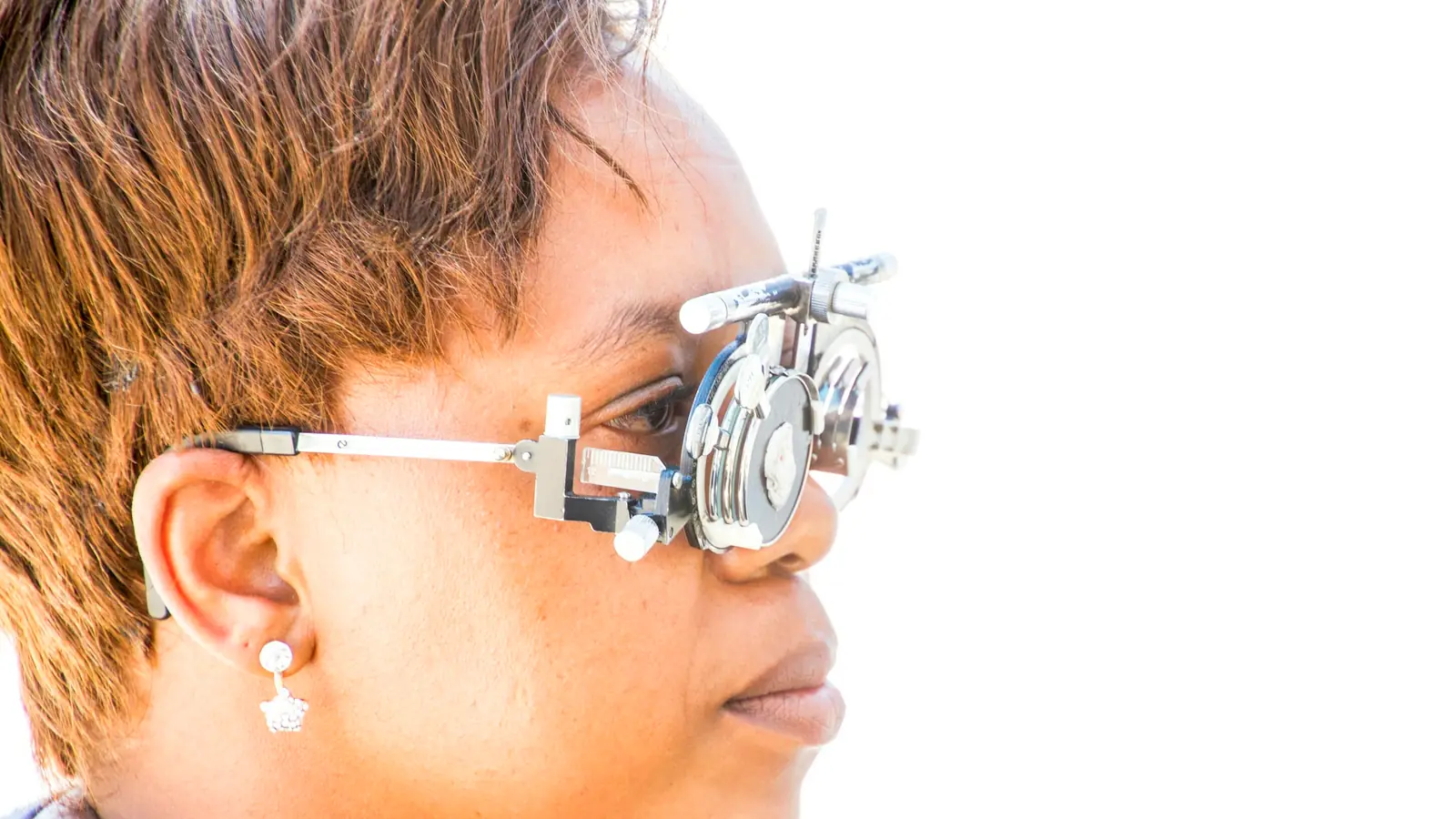
Farsightedness (hyperopia)
ConditionFarsightedness, or hyperopia, makes it harder to focus on things up close, and sometimes far away too. It is common, often runs in families, and is easy to correct with glasses or contact lenses.
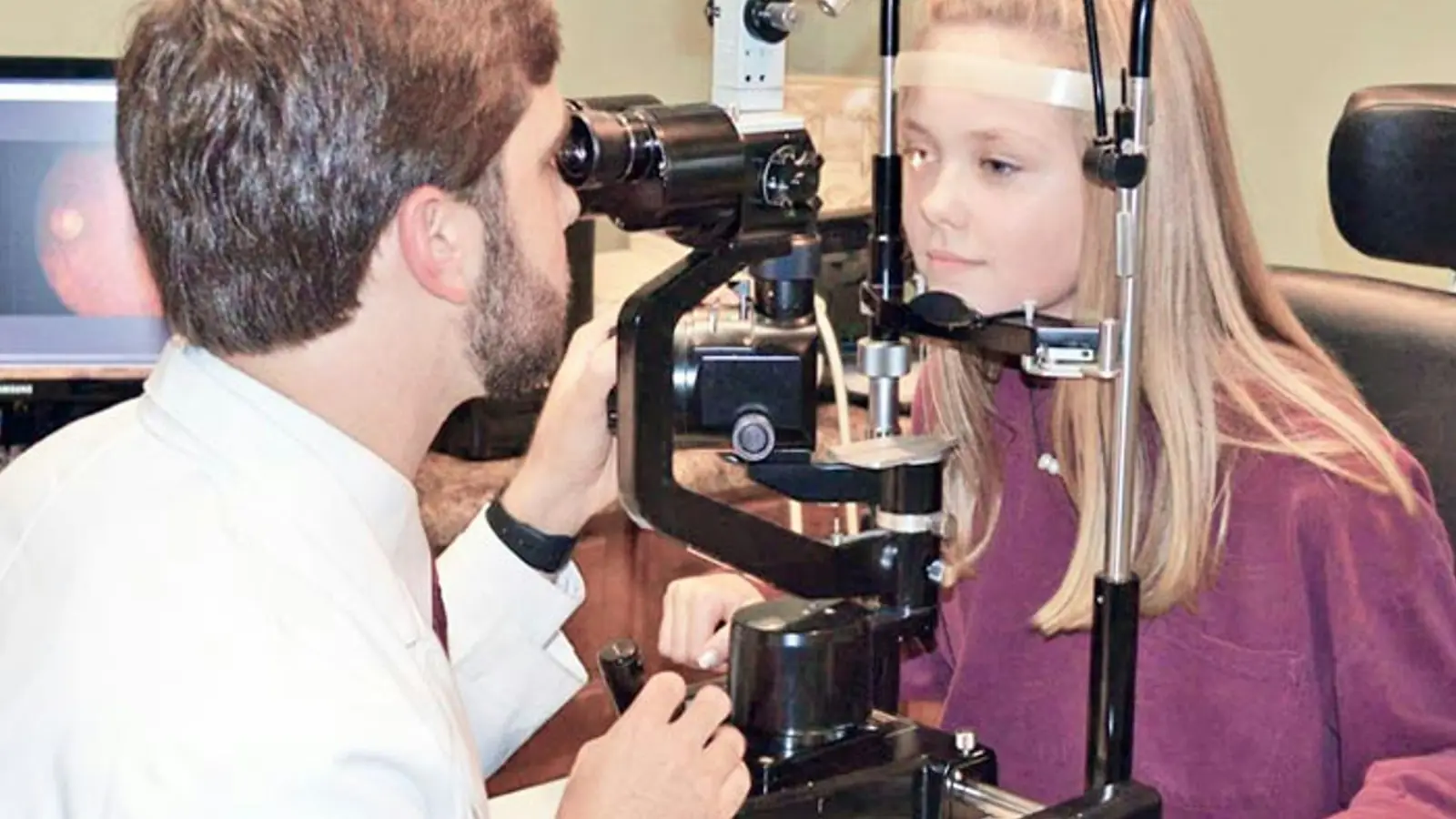
Comprehensive eye exam
ExamA comprehensive eye exam checks how clearly you see and looks at the health of your whole eye. It can find problems before you notice them.