Symptom

Flashes and floaters

Floaters are small specks that drift through your vision, and flashes are brief sparks of light. Most are harmless, but a sudden change can mean a torn retina and needs care right away.

Key points

Common signs
Drifting specks or cobwebs in your vision, or brief sparks of light at the edge of your sight.
Who’s at risk
People who are older or nearsighted, or who have had eye surgery, an eye injury or eye disease from diabetes.
How it’s found
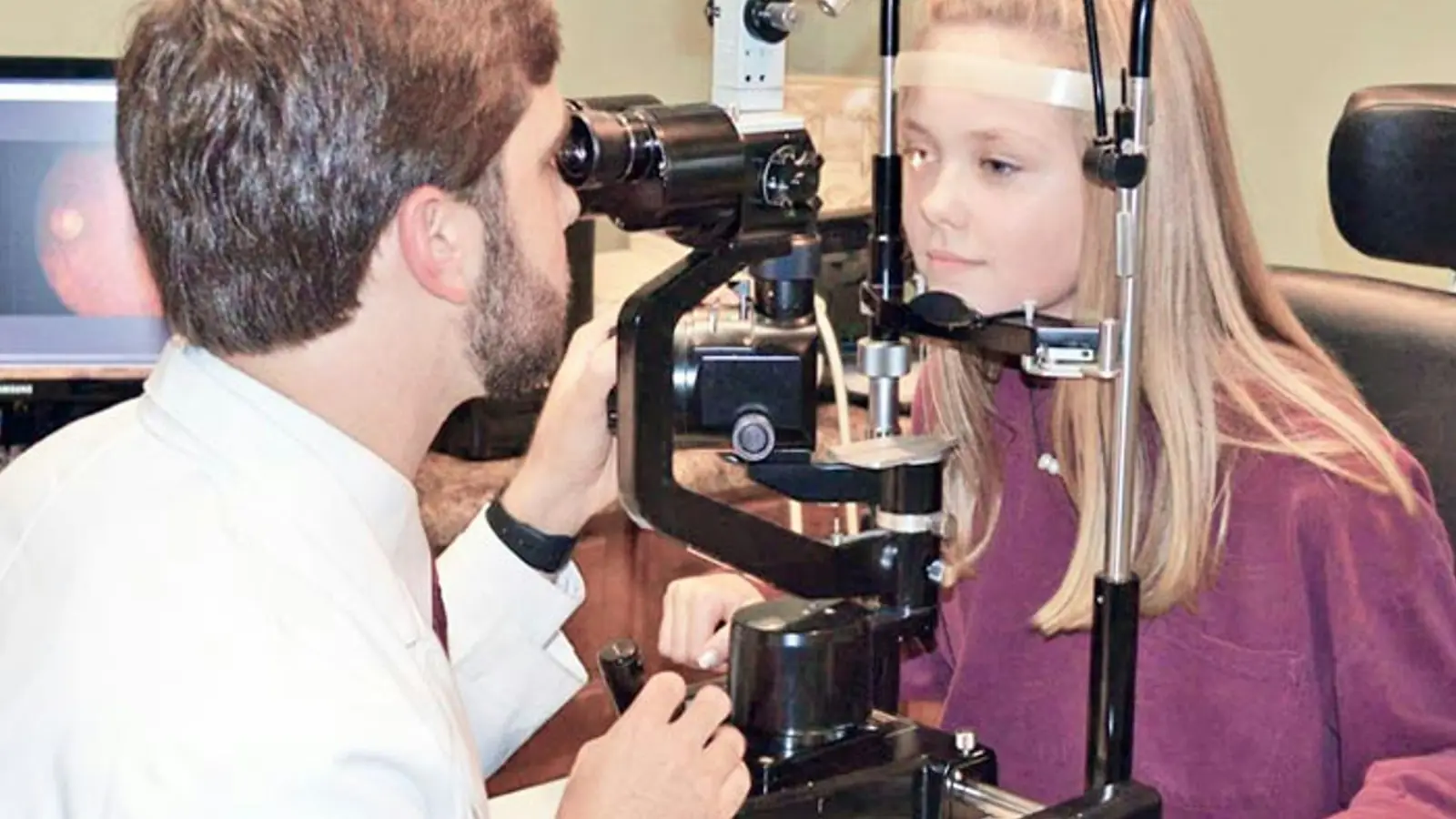
A dilated eye exam lets your eye doctor check the whole retina, including its outer edges.
Treatment
Most floaters need none. A retinal tear can often be sealed with a laser. A retinal detachment needs surgery.

A bright blue sky with clouds, the kind of background where floaters are easiest to notice

Floaters are small spots, specks, threads or cobwebs that drift across your vision. They move when your eyes move, and seem to dart away when you try to look at them. You notice them most against a plain, bright background, like a white wall or a blue sky.

Flashes look like sparks, streaks or flickers of light, often at the edge of your vision. You can see them even with your eyes closed, and they are often easier to notice in the dark.

Most of the inside of your eye is filled with a clear gel called the vitreous. As you get older, this gel slowly shrinks and gets more watery. Small clumps can form in it and cast shadows on the retina. Those shadows are floaters.

As the gel shrinks, it can pull away from the retina at the back of the eye. This is called a posterior vitreous detachment. It is common and usually harmless, but the pulling can cause flashes and a sudden burst of new floaters.

Sometimes the gel pulls hard enough to tear the retina. A retinal tear can lead to a retinal detachment, where the retina lifts away from the back of the eye. A retinal detachment is an emergency. It can cause permanent vision loss if it is not treated quickly.

Floaters and flashes are more likely if you are nearsighted, are older, have had cataract or other eye surgery, have had an eye injury, or have eye disease from diabetes. Less often, floaters come from bleeding or swelling inside the eye.

Some people see zigzag, shimmering lights with a migraine. These usually spread slowly across the vision, affect the same side in both eyes and fade on their own, with or without a headache.

Most floaters are harmless and become less noticeable over time. But call your eye doctor right away, the same day, if you notice:

  • A sudden increase in floaters
  • New flashes of light
  • A shadow, curtain or gray area over part of your vision
  • Sudden blurry vision or vision loss

These can be signs of a retinal tear or detachment. You can’t tell a harmless change from a tear by how it feels, so it is always worth being checked quickly. If you can’t reach your eye doctor, go to the emergency room.

Call 911 if a sudden change in your vision comes with weakness, numbness, a drooping face or trouble speaking. These can be signs of a stroke.