Treatment

Myopia management for children

Myopia management uses special eye drops, glasses or contact lenses to slow down how fast a child’s nearsightedness gets worse. It may help lower eye health risks later in life.

Key points

Who it helps
Children whose myopia started early or is getting worse quickly, especially if a parent is nearsighted.
Treatment
Low-dose atropine drops, special glasses lenses, special soft contact lenses or overnight lenses that reshape the eye.
How it’s found
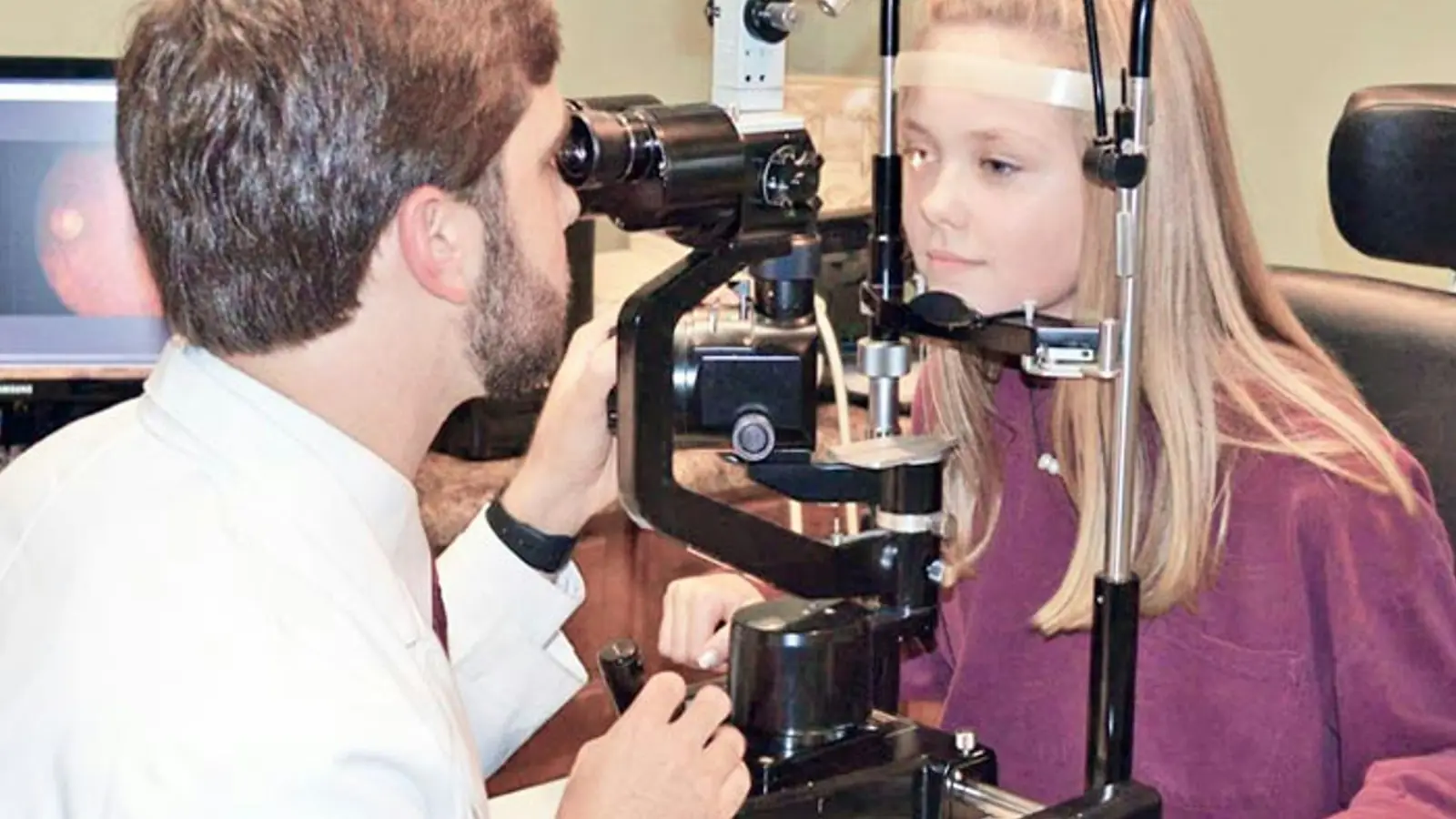
Your eye doctor measures your child’s prescription and often the length of the eye, and compares them over time.
How often
Most children have check-ups about every six months, and treatment often lasts several years.
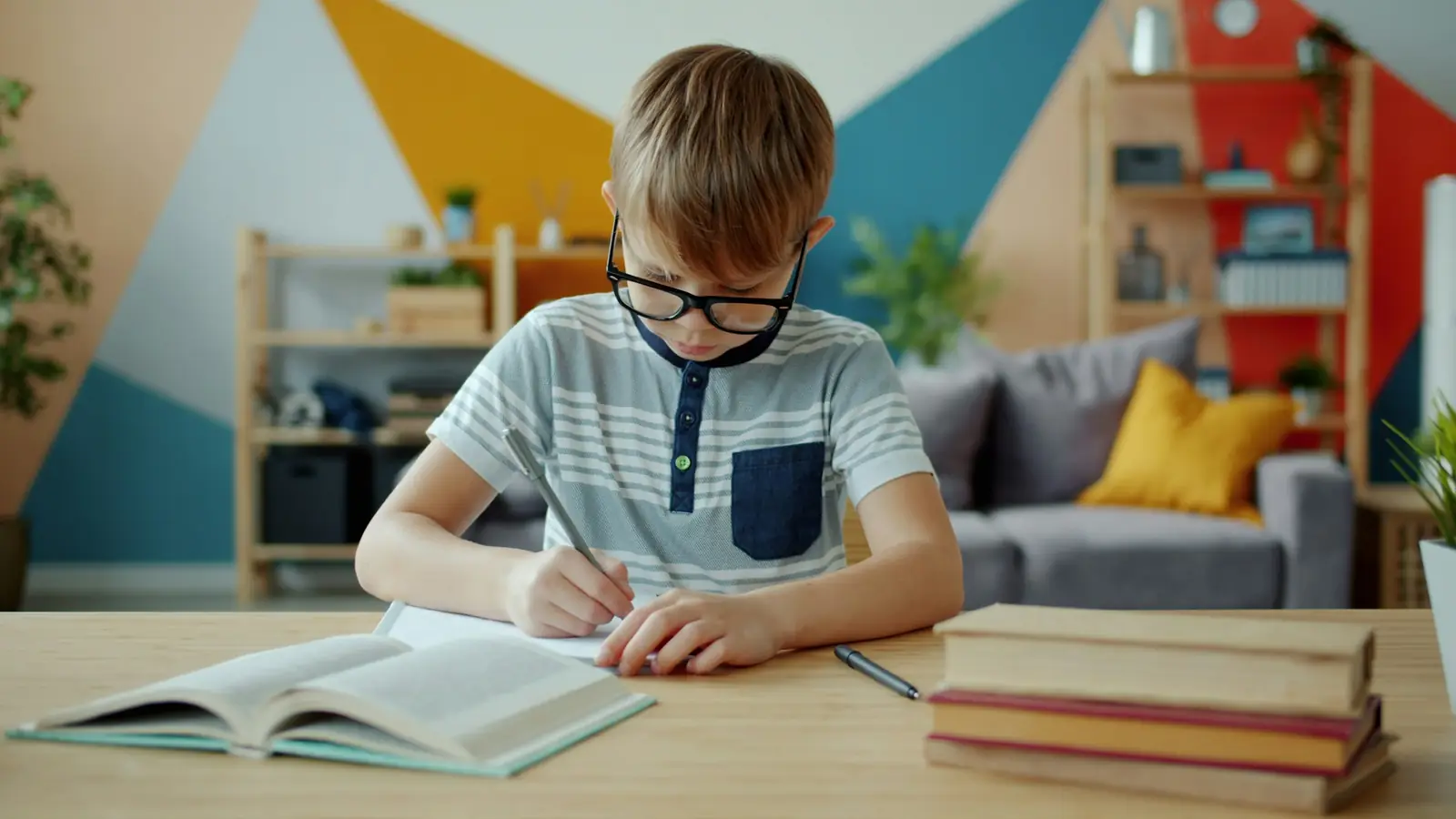
A boy in glasses doing homework at a desk

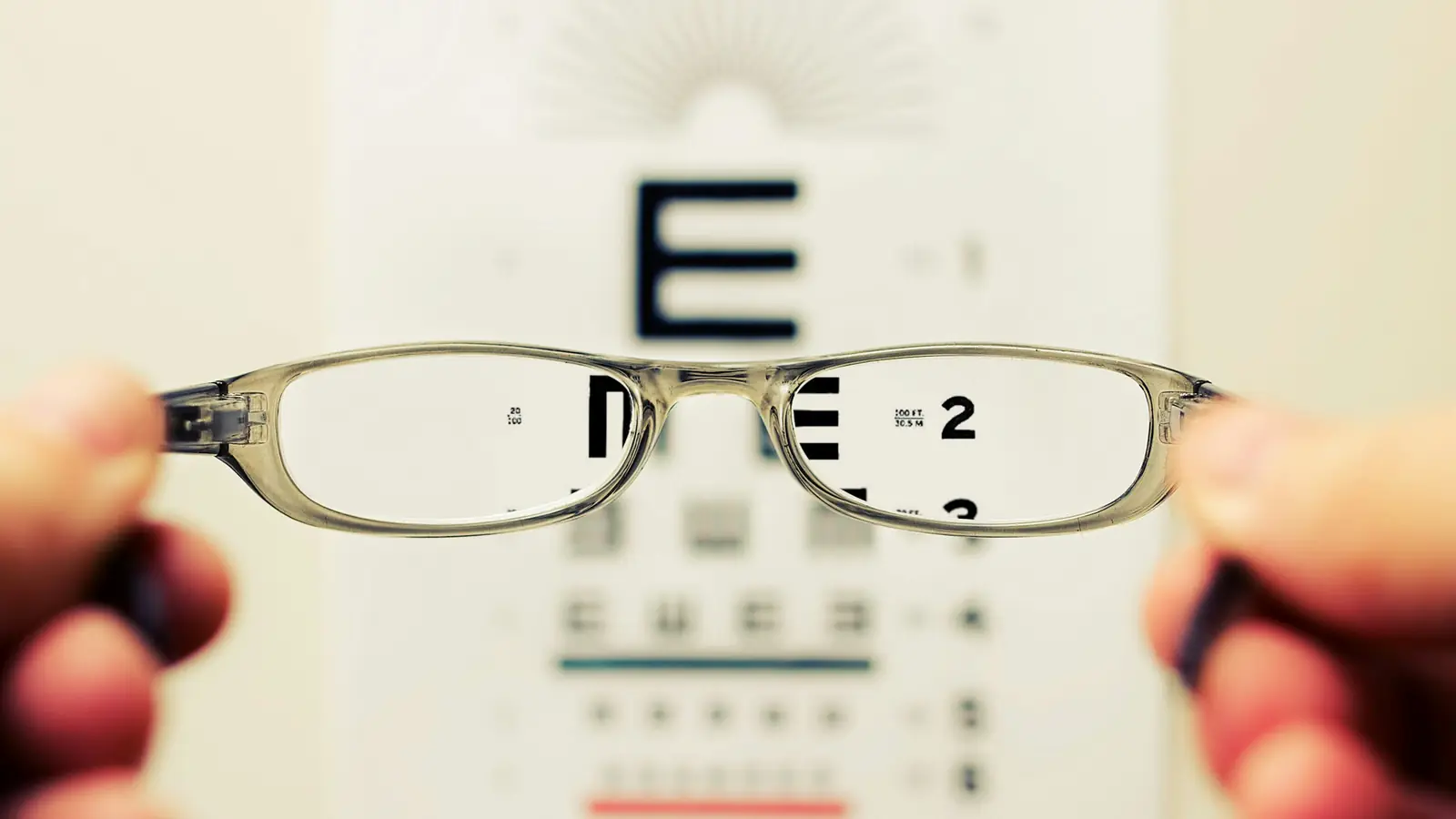
Myopia, or nearsightedness, makes things far away look blurry. In children it usually happens because the eye grows a little too long from front to back. Glasses and regular contact lenses fix the blur, but they don’t change how fast the eye keeps growing.

Myopia management, also called myopia control, uses treatments that can slow down how fast your child’s myopia gets worse. It does not cure myopia or undo it. The goal is a smaller change each year, so your child ends up with a lower prescription as an adult.

Why does that matter? Stronger myopia means thicker glasses and more blur without them. Very strong myopia also raises the risk of eye problems later in life, such as retinal detachment, glaucoma, cataracts and damage to the back of the eye. Slowing myopia in childhood may help lower those risks.

The main options are:

Low-dose atropine eye drops

One drop in each eye at bedtime. These are a much weaker form of drops eye doctors use to widen the pupils. Experts don’t know exactly how they work, but they seem to slow the growth of the eye. Side effects are usually mild, such as some sensitivity to light or slightly blurry reading vision.

Myopia control glasses lenses

These glasses give your child clear vision through the center of the lens. The rest of the lens is designed to change how light focuses on the outer part of the retina, which may signal the eye to grow more slowly. Your child wears them all day.

Myopia control soft contact lenses

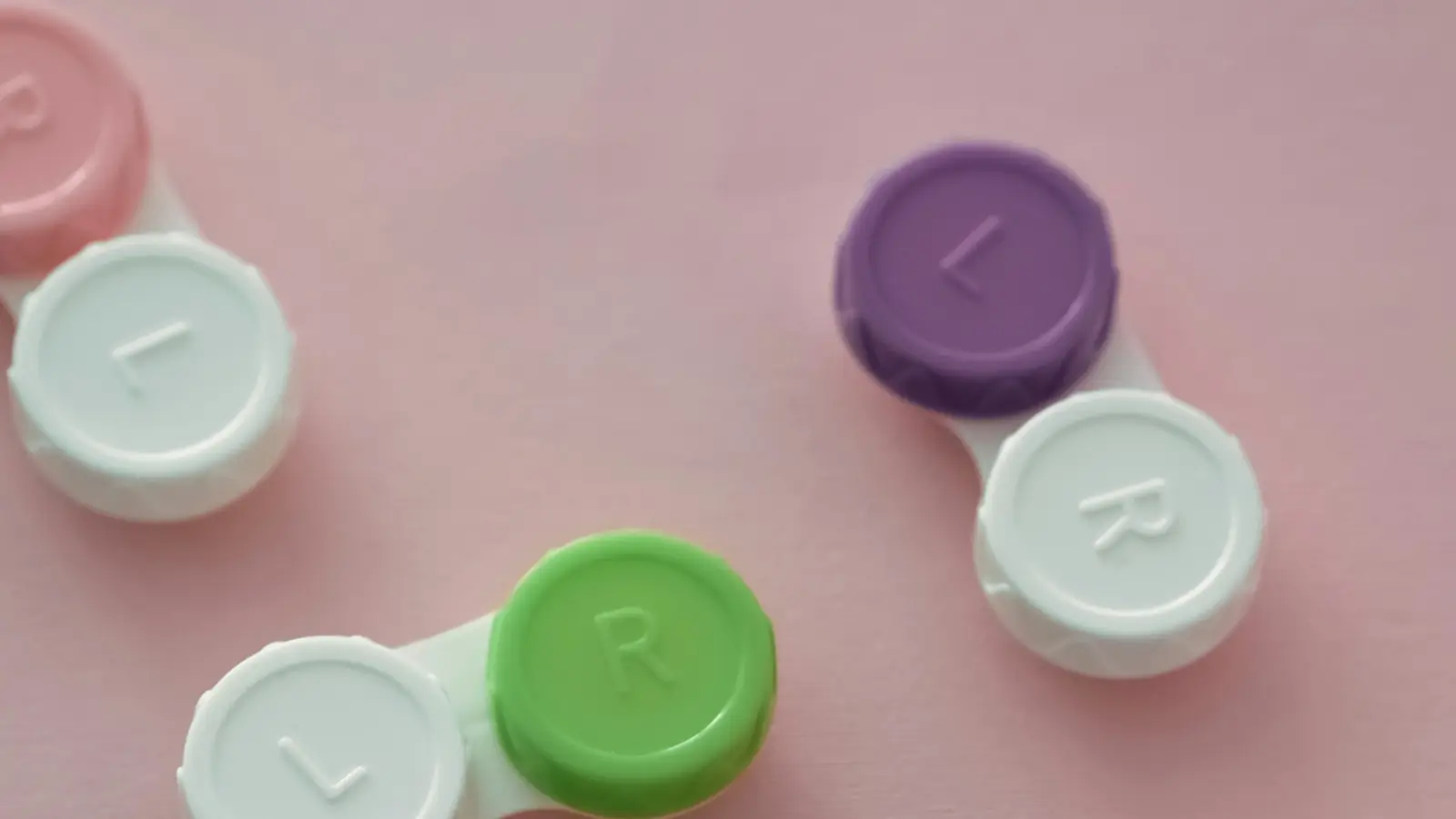
These soft lenses are worn during the day, often as daily lenses that are thrown away each night. Like the glasses, they have different powers in different zones of the lens.

Overnight lenses (orthokeratology)

Your child sleeps in special rigid lenses that gently reshape the clear front of the eye (the cornea). In the morning the lenses come out, and your child can see clearly during the day without glasses. The effect wears off if the lenses are stopped. Because the lenses are worn during sleep, careful cleaning and handling are very important to avoid a serious eye infection.

Some children use two treatments together. Time outdoors also matters. Daily outdoor play in daylight may help delay myopia from starting in the first place. It is a healthy habit for every child, but it does not replace treatment when myopia is already getting worse.

Myopia management is mainly for children and teens whose myopia is getting worse. It may be a good fit if your child:

  • Became nearsighted at a young age, since myopia that starts early has more years to grow
  • Needed a stronger prescription at each of the last few visits
  • Has one or both parents who are nearsighted
  • Spends lots of time on close-up work and little time outdoors

The right option depends on your child’s age, how strong the myopia is, how fast it is changing, their daily life and what your family is comfortable with. Many children can learn to wear and care for contact lenses, with a parent’s help. Your eye doctor will talk with you about the choices.

Wondering if it’s right for you?

Ask us about myopia control