Symptom

Red eye

A red eye has many causes, from dry or tired eyes and allergies to infections that need care quickly. Most are mild, but pain, light sensitivity or blurry vision are signs to get checked the same day.

Key points

Common signs
A pink, red or bloodshot eye, sometimes with itching, burning, watering or discharge.
Who’s at risk
Anyone. Contact lens wearers should take a red eye most seriously, because it can be a sign of infection.
How it’s found
Your eye doctor checks your vision and uses a microscope and a harmless dye to find the cause.
Treatment
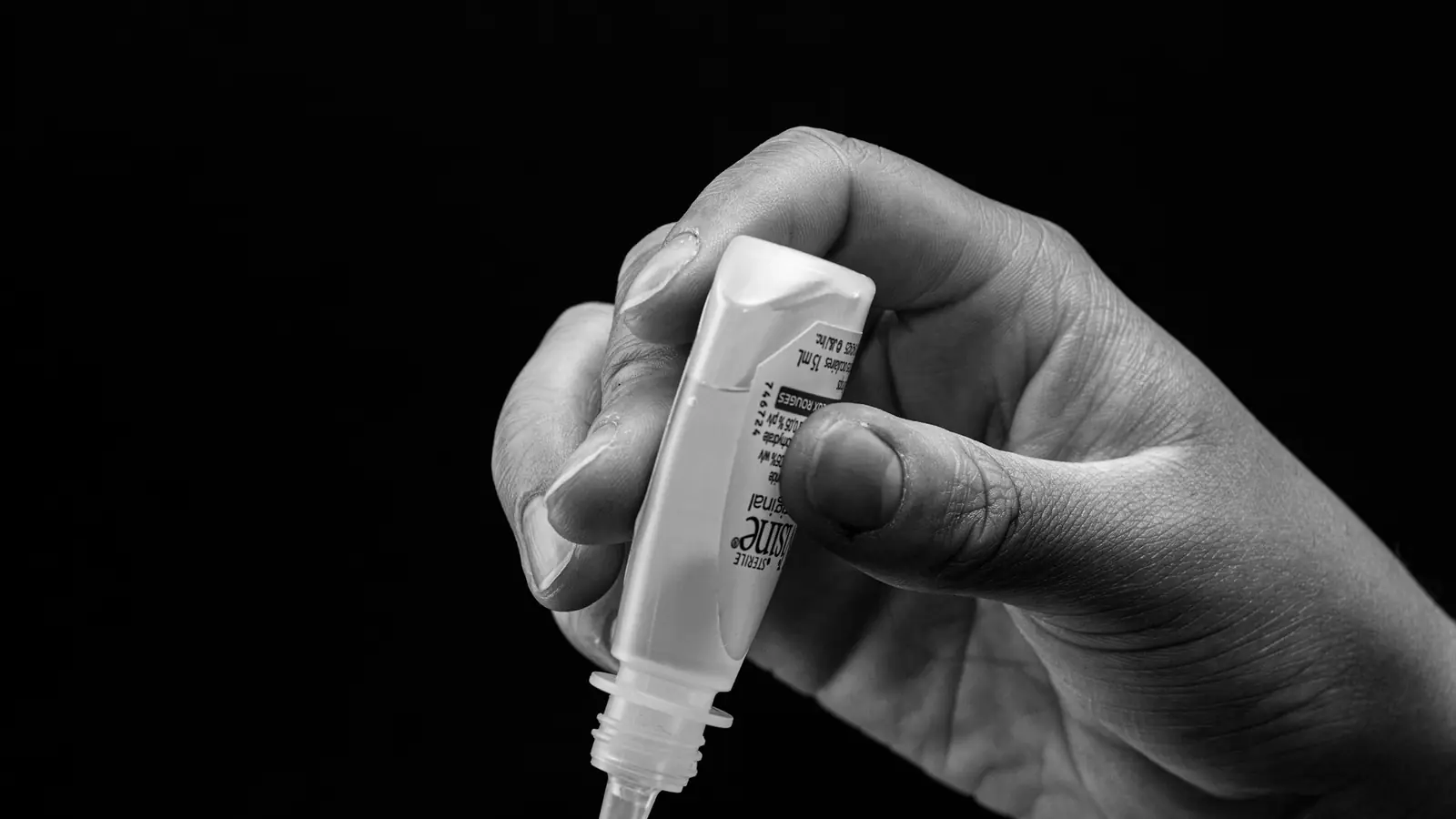
It depends on the cause: artificial tears, allergy drops, antibiotic drops, or nothing at all for a broken blood vessel.
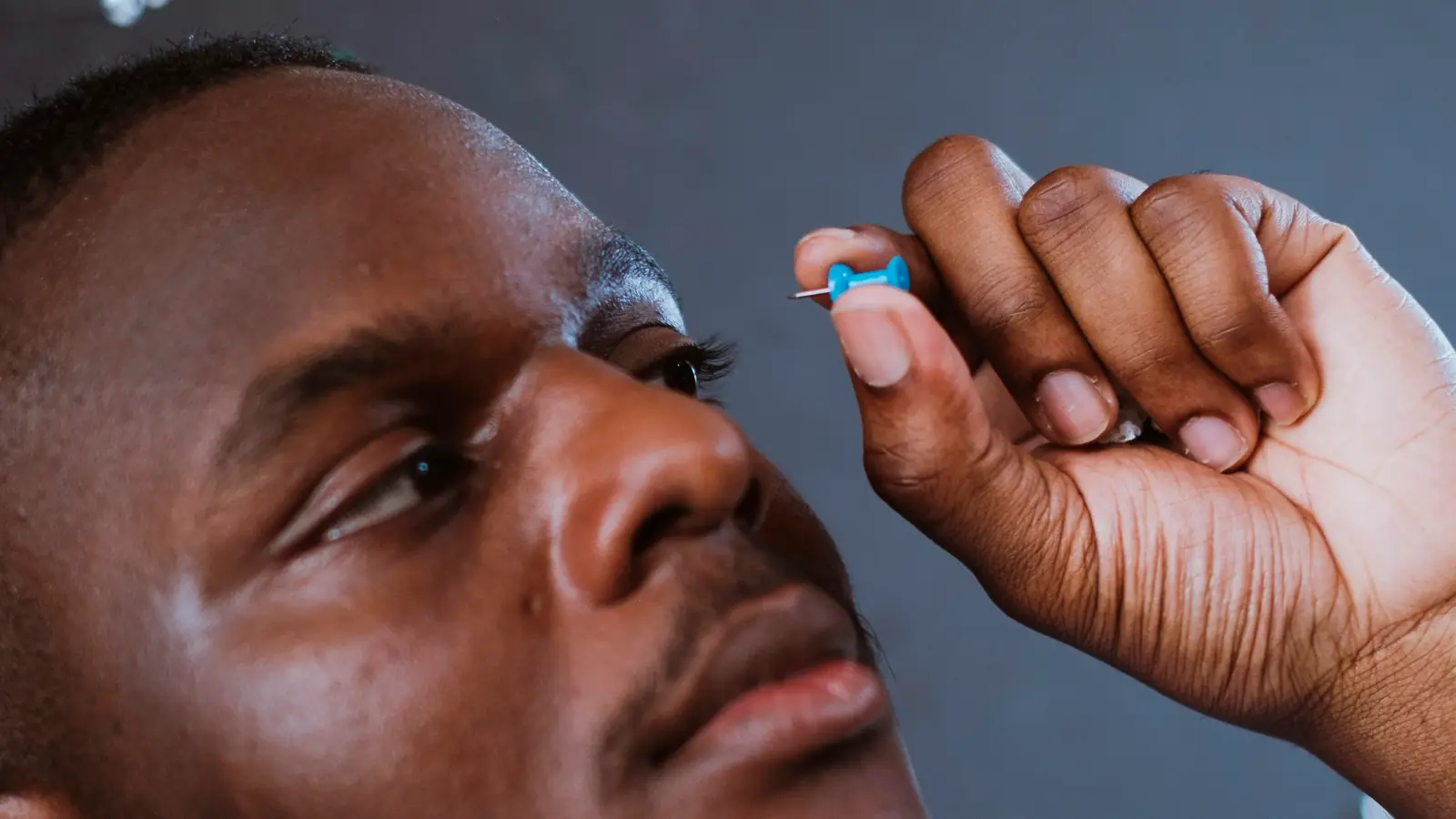
A man putting a drop in his eye

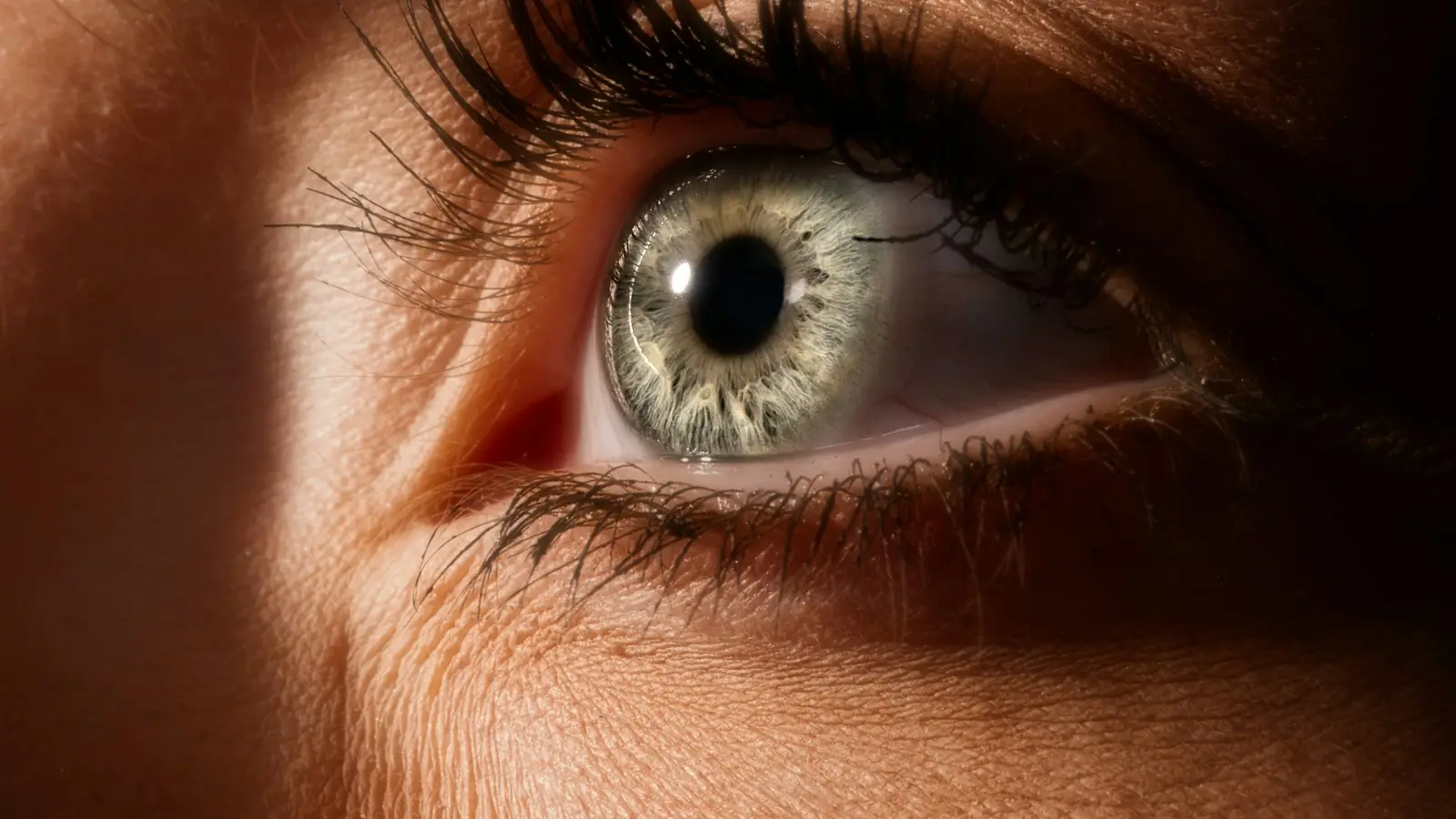
A red eye is when the white of your eye looks pink, red or bloodshot. It happens when the tiny blood vessels on the surface of the eye widen, or when a small vessel breaks and bleeds under the clear surface layer.

A red eye may be the only thing you notice, or it may come with:

  • Itching, burning or stinging
  • A gritty feeling, like something is in your eye
  • Watery eyes or discharge
  • Crusty eyelids in the morning
  • Pain, sensitivity to light or blurry vision

It can affect one eye or both. How it feels, and whether your vision has changed, are the best clues to what is causing it.

Most red eyes are caused by something mild, such as:

  • Dry eye or tired eyes, for example after long hours on a screen or a short night’s sleep
  • Allergies, which usually make both eyes itchy and watery
  • Pink eye (conjunctivitis) from a virus or bacteria
  • Blepharitis, swelling along the edges of the eyelids
  • Irritation from smoke, wind, sun, chlorine in a pool or something that got in the eye
  • Wearing contact lenses too long, or sleeping in them
  • A broken blood vessel. A bright red patch that shows up suddenly, often with no pain, is usually a small bleed on the surface of the eye. It can happen after coughing, sneezing, straining or rubbing your eye. It looks alarming, but it is usually harmless and fades on its own within a couple of weeks.

Some causes are more serious and need care quickly:

  • An infection of the cornea, the clear front of the eye. This is a special risk for contact lens wearers.
  • A scratch on the eye, or something stuck in it
  • Swelling inside the eye (uveitis), which often causes pain, light sensitivity and blurry vision
  • Sudden angle-closure glaucoma, a rise in eye pressure that causes severe pain, halos around lights, headache and nausea
  • Swelling of the white wall of the eye (scleritis), which causes a deep, aching pain
  • A chemical splash or an injury to the eye

A red eye that is mild, doesn’t hurt and doesn’t affect your vision often gets better on its own within a few days. Call your eye doctor the same day if you have:

  • Eye pain, or light that hurts your eyes
  • Blurry vision, or any loss of vision
  • A red eye while you wear contact lenses
  • A thick yellow or green discharge
  • A red eye after an injury, or a feeling that something is stuck in your eye
  • A red eye that isn’t getting better after a few days
  • Red, goopy eyes in a newborn baby

Go to the emergency room if you can’t reach your eye doctor right away and you have:

  • A chemical splash in the eye. Rinse it right away with lots of clean water for at least 15 minutes, then go.
  • Severe eye pain with halos around lights, headache, nausea or vomiting
  • A serious injury to the eye. Don’t rub it, press on it or try to remove anything stuck in it.

Sources

  1. Red Eye — American Academy of Ophthalmology
  2. What Is a Subconjunctival Hemorrhage? — American Academy of Ophthalmology
  3. Pink Eye — National Eye Institute

This page is for general education and is not a diagnosis. If you have a concern about your health, contact us.