Exam

Contact lens exam and fitting

A contact lens exam checks that your eyes are healthy enough for lenses and finds a lens that fits your eyes and the way you live. It includes a full eye exam plus a fitting.

Key points

How it’s found
A full eye exam, measurements of the front of your eye, a tear check and trial lenses to test the fit.
Who’s at risk
Lenses that fit poorly or are worn too long can harm the eye’s surface and raise the risk of infection.
How often
Every year, or more often if your eye doctor asks. The prescription expires and must be renewed with an exam.
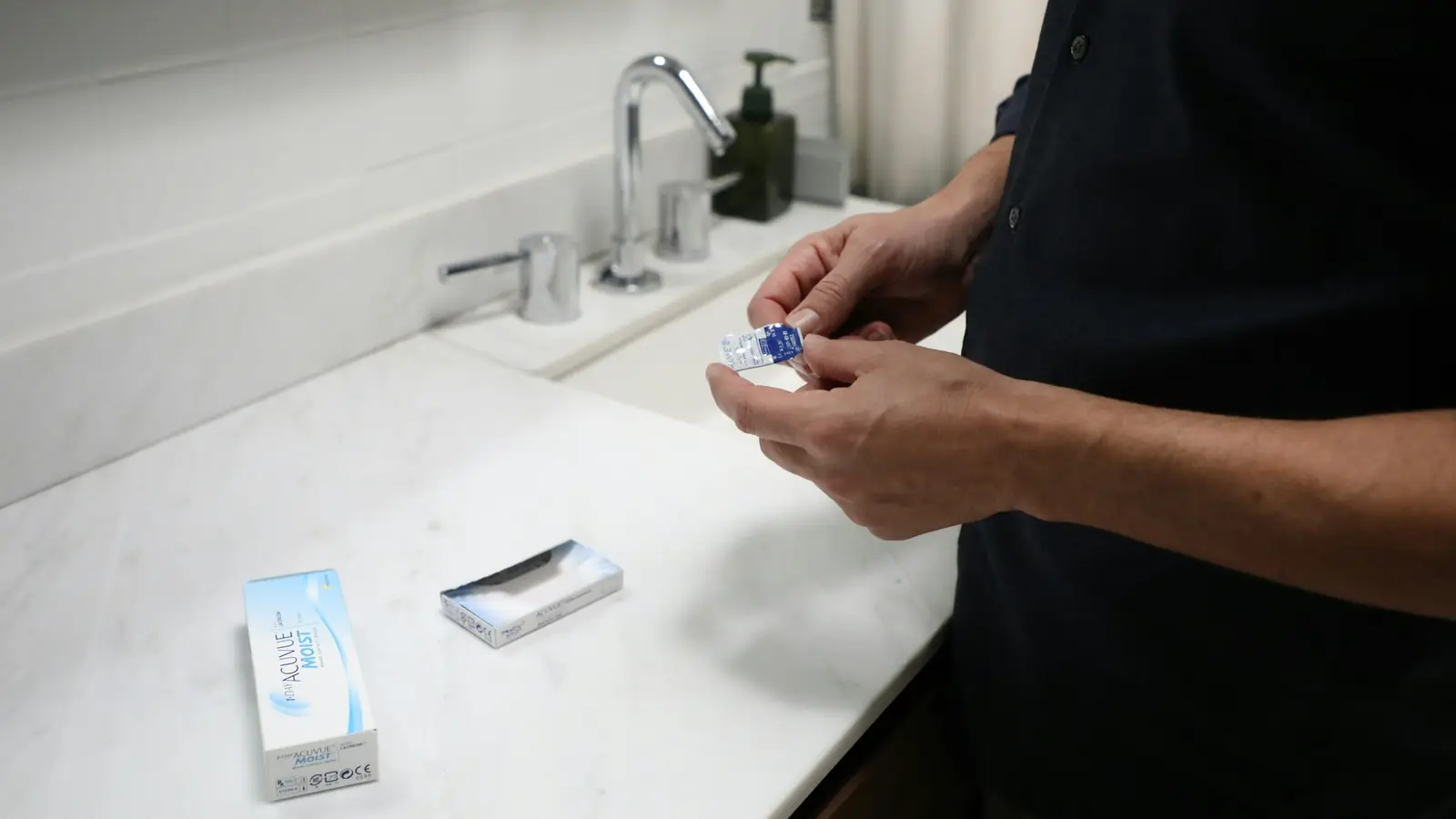
A person opening a fresh contact lens at a clean bathroom counter

A contact lens sits right on the clear front of your eye, the cornea. That makes it different from a pair of glasses. A lens that fits poorly, or is the wrong type for your eyes, can be uncomfortable, give blurry vision, and in some cases harm the surface of your eye or raise the risk of infection.

That is why contact lenses are medical devices that need a prescription, even colored lenses that don’t correct vision. A contact lens exam makes sure your eyes are healthy enough for lenses and finds the lens that fits your eyes, your vision and the way you live.

A contact lens exam includes a comprehensive eye exam plus extra measurements and a lens fitting. A glasses prescription can’t be used to buy contact lenses. The contact lens prescription also lists the lens type, its size and its curve, because it has to match the shape of your eye.

Your eye doctor will ask about your eyes, your health, the medicines you take and how you plan to use lenses. For example, you might want them every day, only for sports or only on weekends. If you already wear lenses, they will ask how they feel and how you care for them.

The visit usually includes:

  • A comprehensive eye exam, including checking your prescription and looking at the health of your eyes, often with dilating drops.
  • Measuring the front of your eye. Your eye doctor measures the curve of your cornea and may take a detailed map of its shape. This helps choose a lens that fits well, especially if you have astigmatism or an irregular cornea.
  • Checking your tears and eyelids. Dry eye or eyelid problems can make lenses uncomfortable, so these may be treated first.
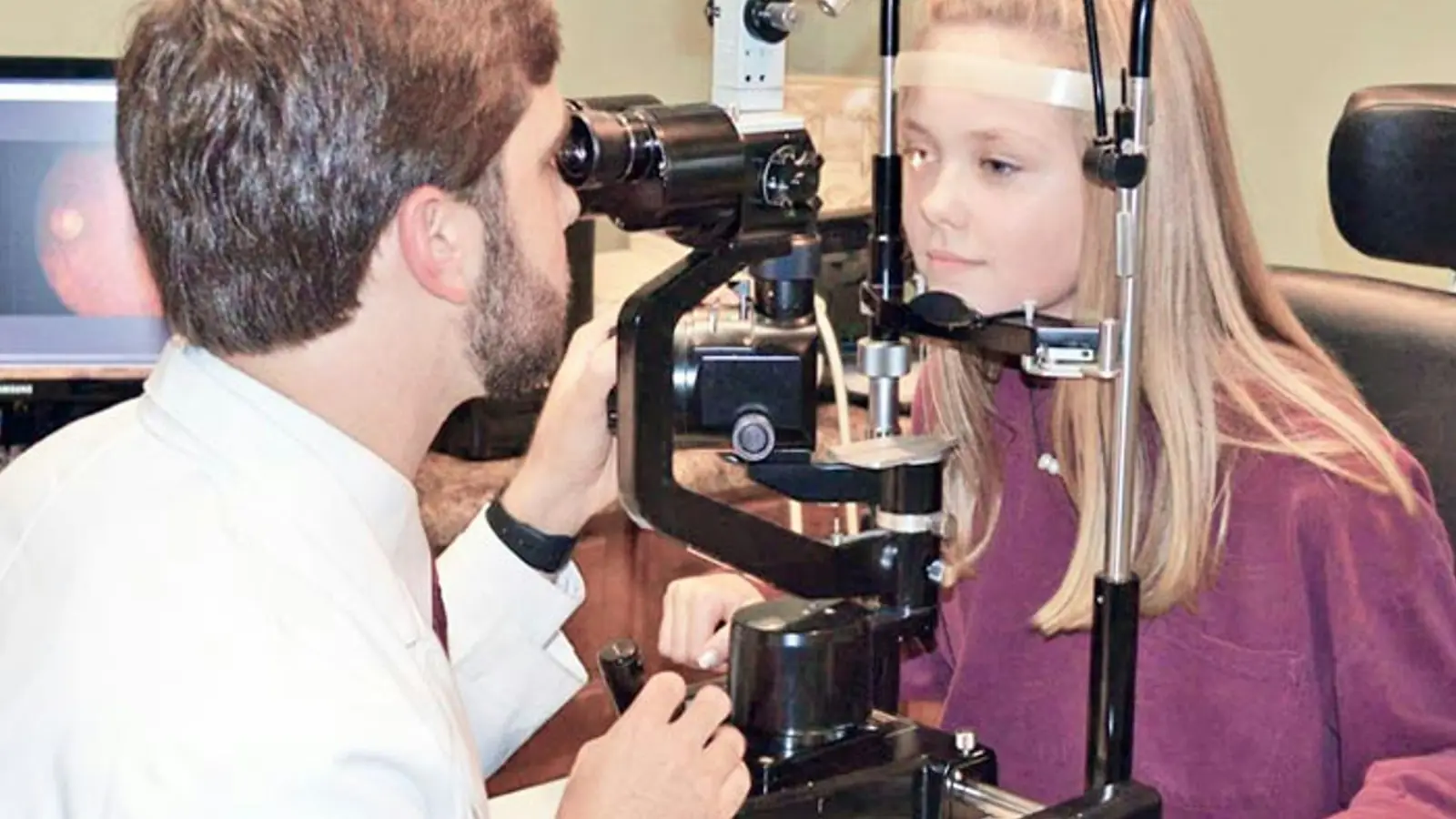
  • Trying lenses on. Your eye doctor places trial lenses on your eyes, then checks with a microscope how they sit and move. They also check how well you see with them in.
  • Learning how to use them. If you are new to lenses, you will practice putting them in and taking them out, and learn how to clean and store them.

You will usually come back for a follow-up visit, often after wearing the lenses for a few days or weeks. Your eye doctor checks that the lenses still fit, that you see well, and that your eyes are healthy. The lens type or power may be changed before your prescription is final.