
Vision correction
Scleral lenses
Scleral lenses are large, firm contact lenses that arch over the cornea and hold a layer of fluid against it. They can help people with keratoconus, an irregular cornea or severe dry eye see clearly and comfortably.
Key points
- Treatment
- Scleral lenses give an uneven cornea a smooth surface to see through, and keep a dry eye bathed in fluid.
- Who it helps
- They help people with keratoconus, an irregular or scarred cornea, severe dry eye, or eyes other lenses can’t help.
- How it’s found
- A specialty fitting over several visits maps your eyes and checks trial lenses with a microscope.
- How often
- Fill with fresh sterile saline each time, clean every day, and keep regular check-ups even when your eyes feel fine.
Related care topics
Keratoconus
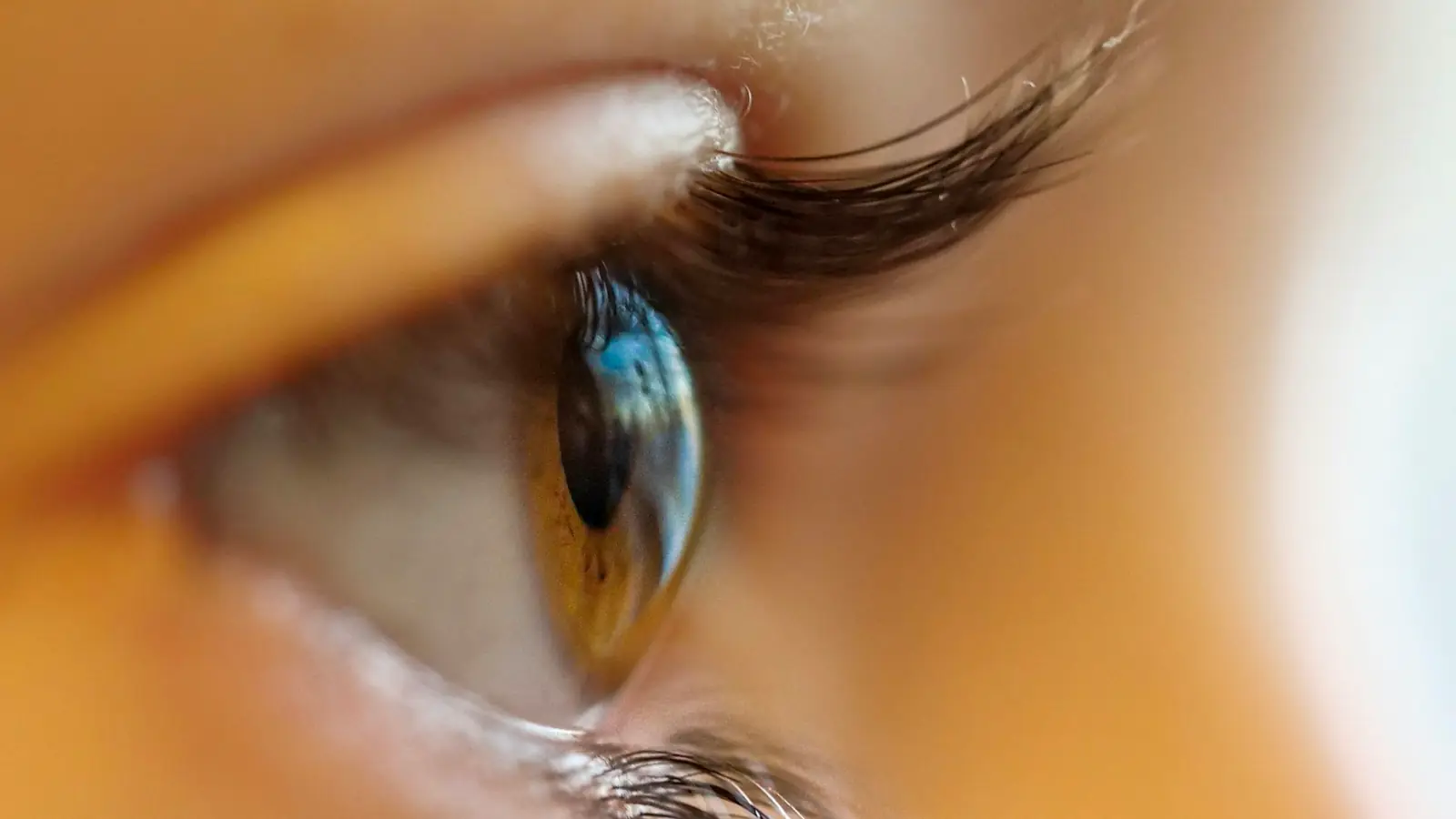
ConditionKeratoconus happens when the clear front of the eye thins and bulges into a cone shape, blurring your vision. It often starts in the teens or twenties, and treatment can help you see and slow it down.

Dry eye
ConditionDry eye happens when your tears can’t keep the front of your eye moist and comfortable. It is common, and there are many ways to ease it.

Contact lenses
Vision correctionContact lenses sit on the surface of your eye to correct your vision. With the right fit and good daily habits, they can be a safe, comfortable choice for many people.
Contact lens exam and fitting
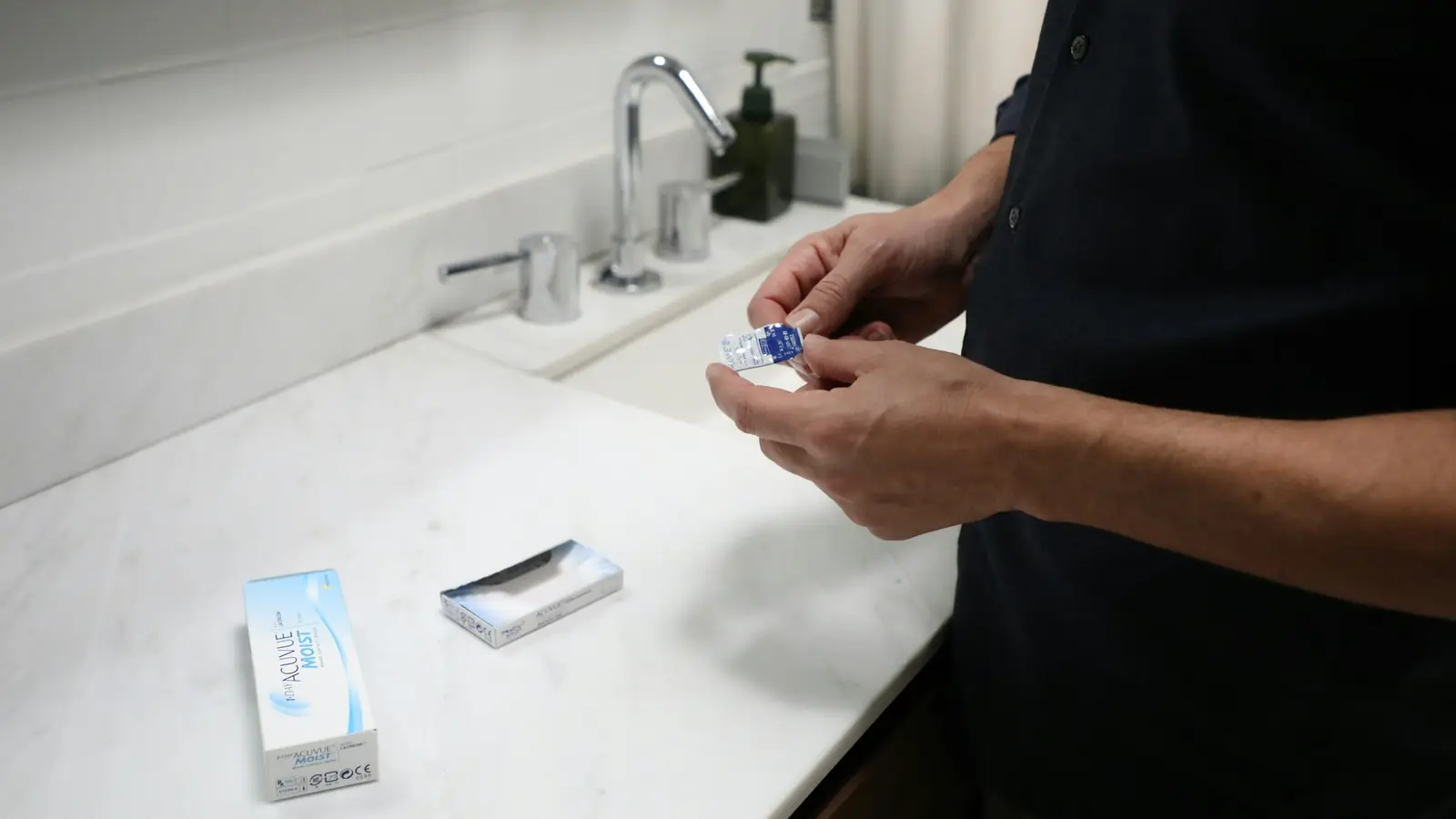
ExamA contact lens exam checks that your eyes are healthy enough for lenses and finds a lens that fits your eyes and the way you live. It includes a full eye exam plus a fitting.