
Condition
Retinal detachment
A retinal detachment is when the retina pulls away from the back of the eye. It is an emergency: new flashes, a shower of floaters or a curtain over your vision need care the same day.
Key points
- Common signs
- A sudden shower of floaters, flashes of light, or a shadow or curtain over part of your vision. It is usually painless.
- Who’s at risk
- People who are older or very nearsighted, or who have had eye surgery, an eye injury or a detachment in the other eye.
- How it’s found
- A dilated eye exam lets your eye doctor check the whole retina, including its outer edges.
- Treatment
- A tear can often be sealed with a laser or freezing treatment. A detached retina needs surgery, the sooner the better.
Related care topics

Flashes and floaters
SymptomFloaters are small specks that drift through your vision, and flashes are brief sparks of light. Most are harmless, but a sudden change can mean a torn retina and needs care right away.
Myopia (nearsightedness) in children
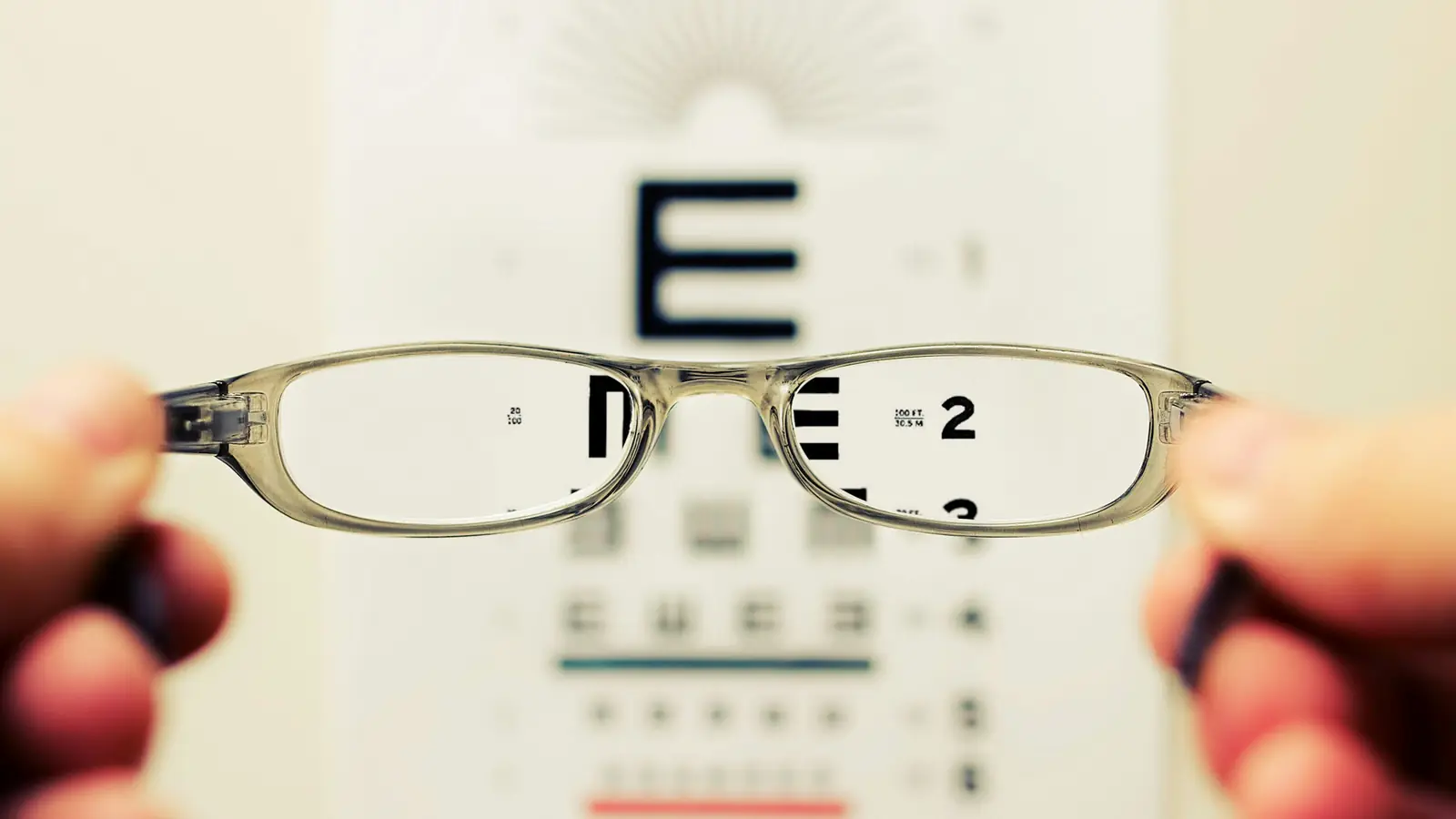
ConditionMyopia, or nearsightedness, makes things far away look blurry. It often starts in childhood and gets worse as children grow, and there are now ways to slow it down.

Diabetic retinopathy
ConditionDiabetic retinopathy is damage to the blood vessels in the retina caused by diabetes. It often has no early signs, so a yearly dilated eye exam and good diabetes care are the best ways to protect your sight.
Comprehensive eye exam
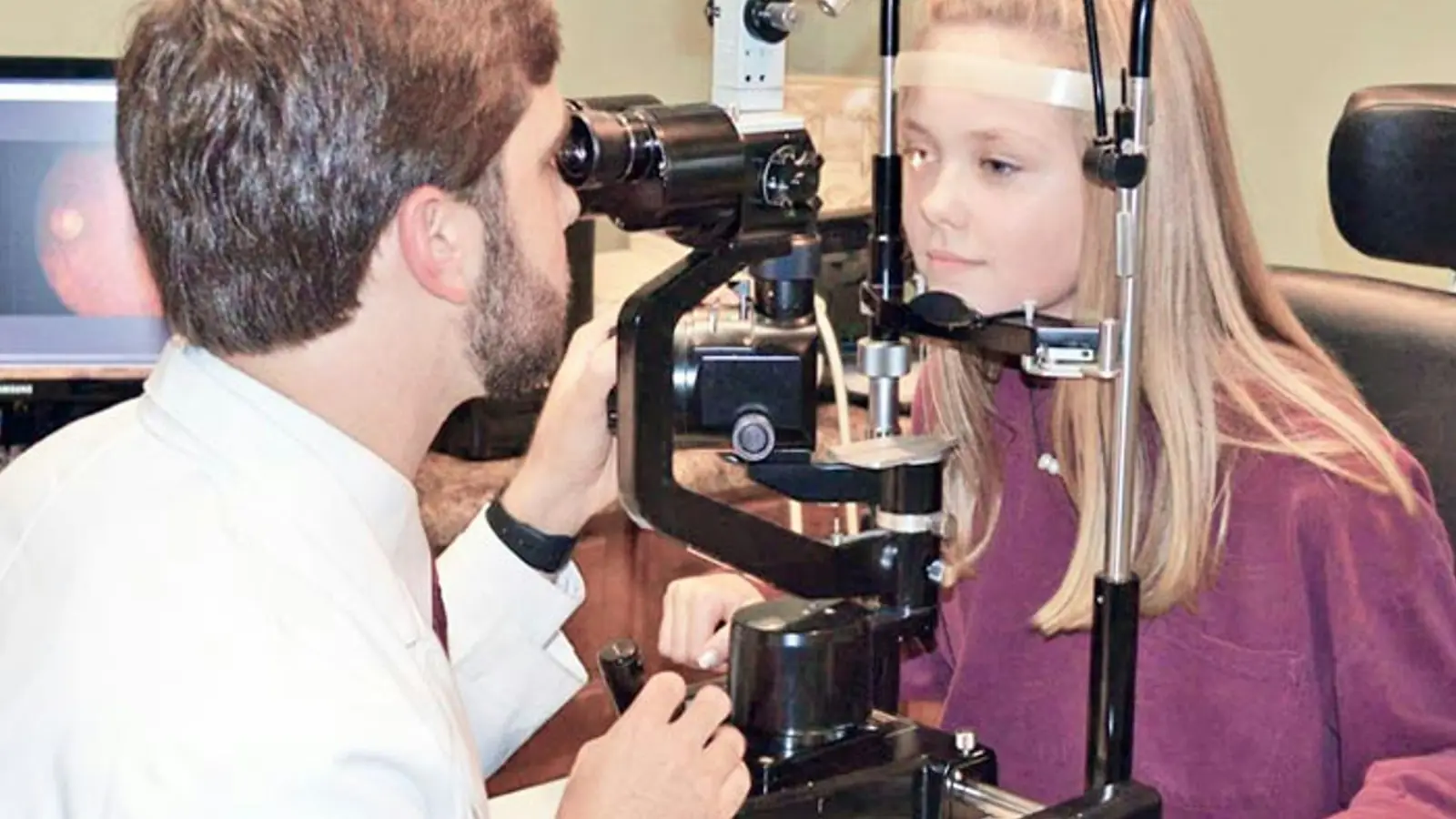
ExamA comprehensive eye exam checks how clearly you see and looks at the health of your whole eye. It can find problems before you notice them.