
Condition
Diabetic retinopathy
Diabetic retinopathy is damage to the blood vessels in the retina caused by diabetes. It often has no early signs, so a yearly dilated eye exam and good diabetes care are the best ways to protect your sight.
Key points
- Common signs
- Often none at first. Later, blurry or changing vision, floaters, or dark or empty spots in your vision.
- Who’s at risk
- Anyone with diabetes. Risk is higher the longer you have it, and when blood sugar or blood pressure runs high.
- How it’s found
- A dilated eye exam, with retinal photos or an OCT scan, can find damage before you notice any change.
- Treatment
- Injections, laser treatment or surgery can slow or stop vision loss. Managing your diabetes helps protect your eyes.
Diabetic retinopathy is an eye disease caused by diabetes. It affects the retina, the thin layer at the back of your eye that senses light and sends pictures to your brain.
Over time, high blood sugar can damage the tiny blood vessels in the retina. They can swell, leak fluid or blood, or close off so that parts of the retina don’t get enough blood. This early stage often causes no symptoms at all.
In a more advanced stage, the eye tries to fix the problem by growing new blood vessels. These new vessels are weak. They can bleed into the clear gel that fills the eye, and they can form scar tissue that pulls on the retina. In the worst cases, the retina can pull loose from the back of the eye.
Diabetic macular edema
The macula is the small center of the retina that gives you sharp, straight-ahead vision for reading, driving and seeing faces. When leaking fluid builds up there, it is called diabetic macular edema. It can happen at any stage of diabetic retinopathy, and it is one of the most common reasons people with diabetes lose vision.
Diabetes also raises your risk of other eye problems, such as cataracts and glaucoma. The good news is that finding diabetic eye disease early, and keeping your diabetes well managed, gives you the best chance of keeping your sight.

Related care topics
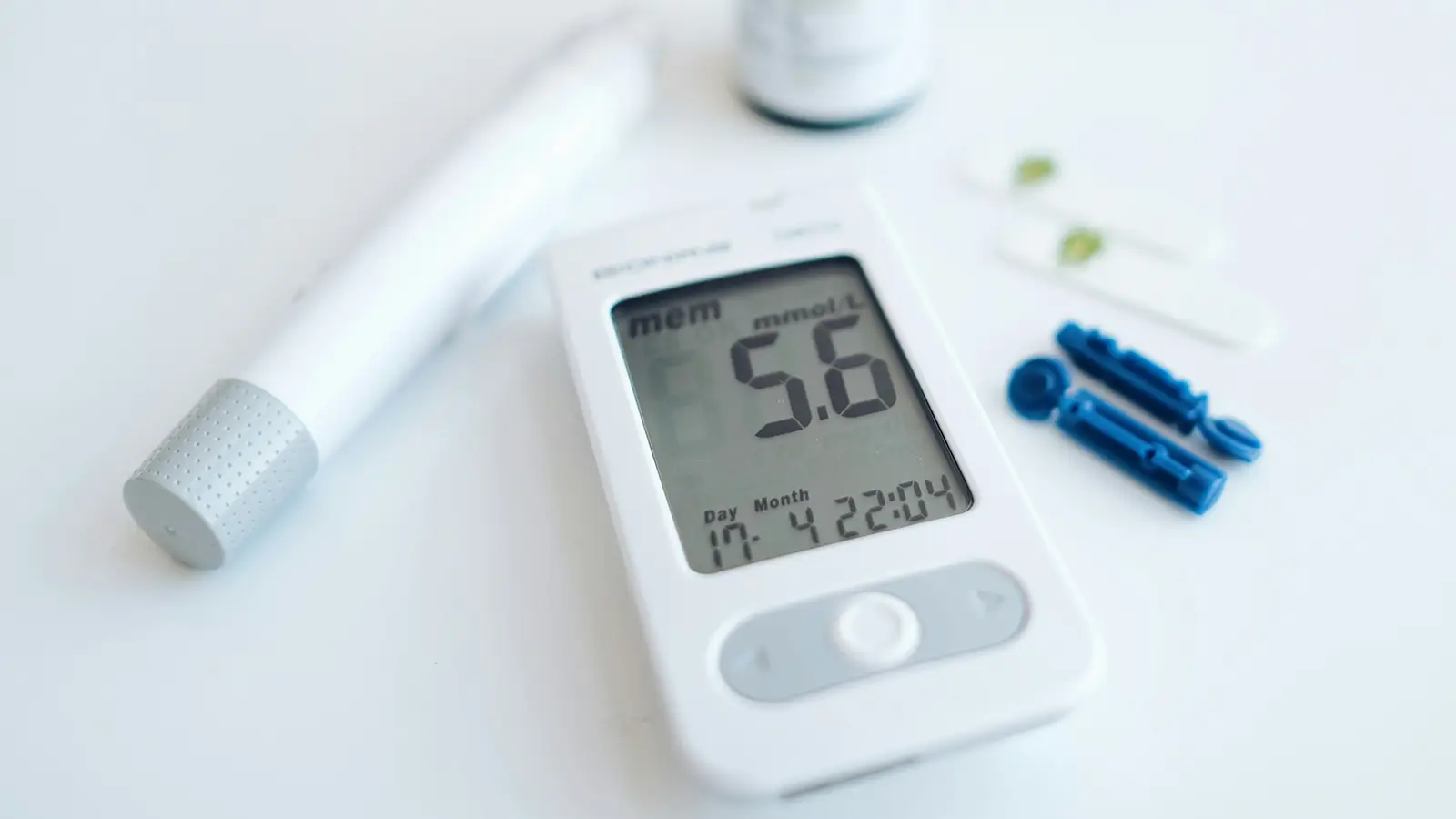
Diabetic eye exam
ExamDiabetes can damage the back of your eye long before you notice any change. A yearly dilated eye exam finds problems early, when treatment can best protect your vision.
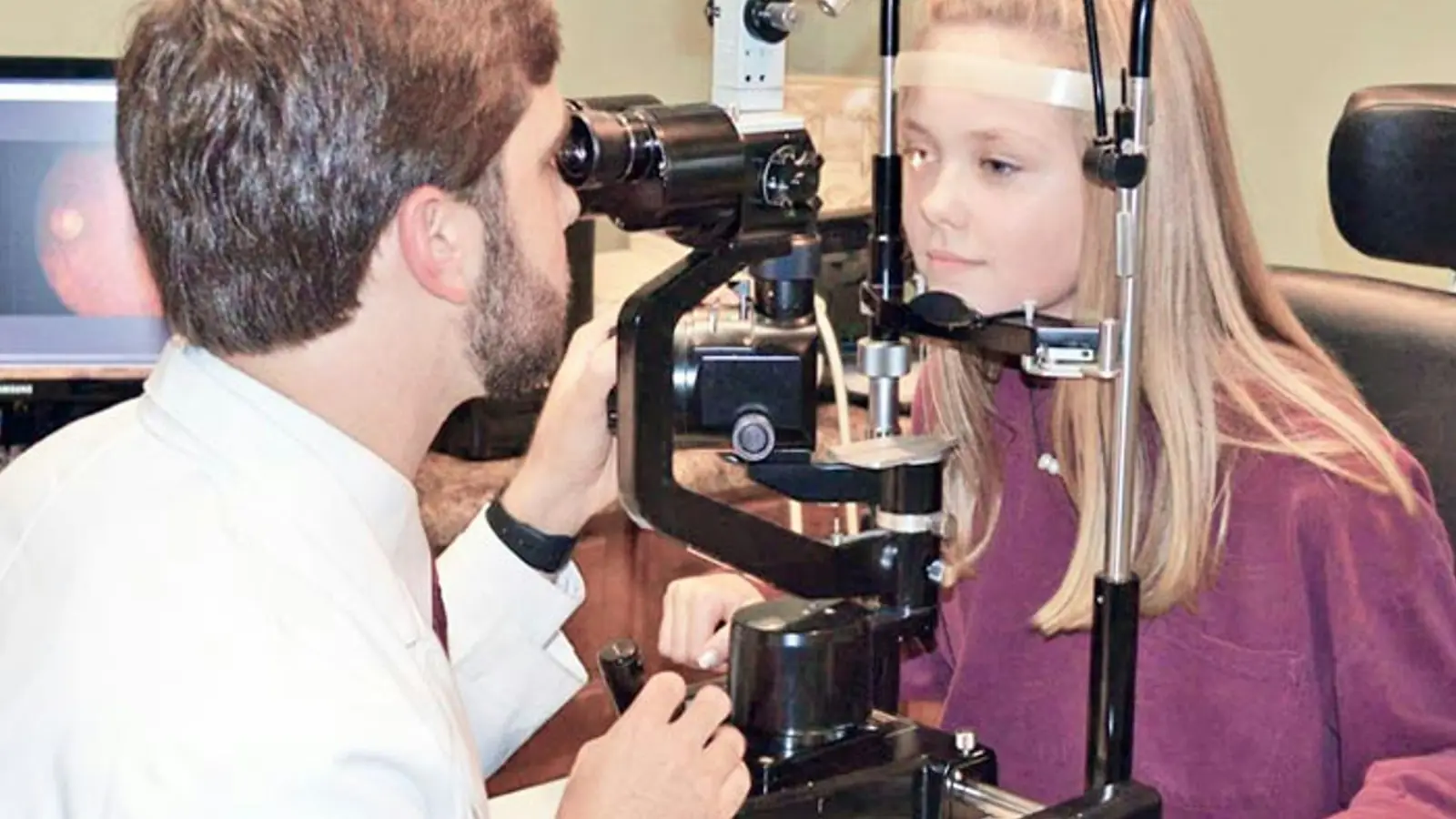
Comprehensive eye exam
ExamA comprehensive eye exam checks how clearly you see and looks at the health of your whole eye. It can find problems before you notice them.

Glaucoma
ConditionGlaucoma is a group of eye diseases that damage the optic nerve, often with no early warning signs. Regular eye exams can find it early, when treatment can help protect your sight.

Cataracts
ConditionA cataract is a cloudy area in the lens inside your eye. Cataracts form slowly with age, and surgery can replace the cloudy lens when it gets in the way of daily life.