
Treatment
Low vision and vision rehabilitation
Low vision is vision loss that glasses, medicine or surgery can’t fully fix. Vision rehabilitation helps you make the most of the sight you have, with the right tools, lighting and training.
Key points
- Common signs
- Trouble reading, seeing faces, cooking or getting around safely, even with your glasses on.
- Who it helps
- People with macular degeneration, glaucoma, diabetic eye disease or other eye conditions, at any age.
- How it’s found
- A low vision exam measures what you can see and tests tools for the tasks that matter to you.
- Treatment
- Magnifiers, better lighting, phone and computer settings, and training help you use the sight you still have.
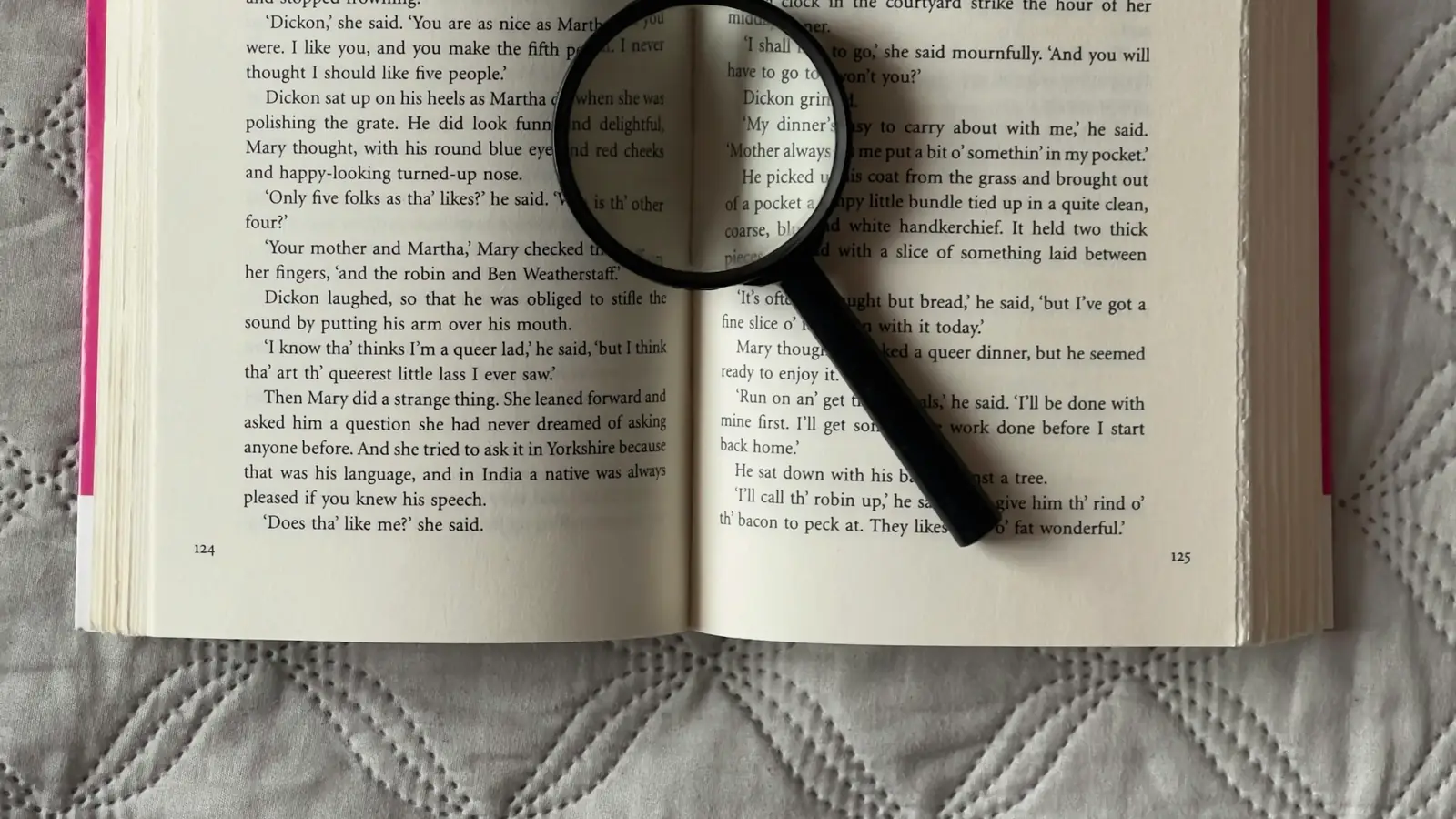
Related care topics

Age-related macular degeneration (AMD)
ConditionAge-related macular degeneration (AMD) damages the part of the eye you use for sharp, central vision. It can make reading, driving and seeing faces harder, and early care helps.
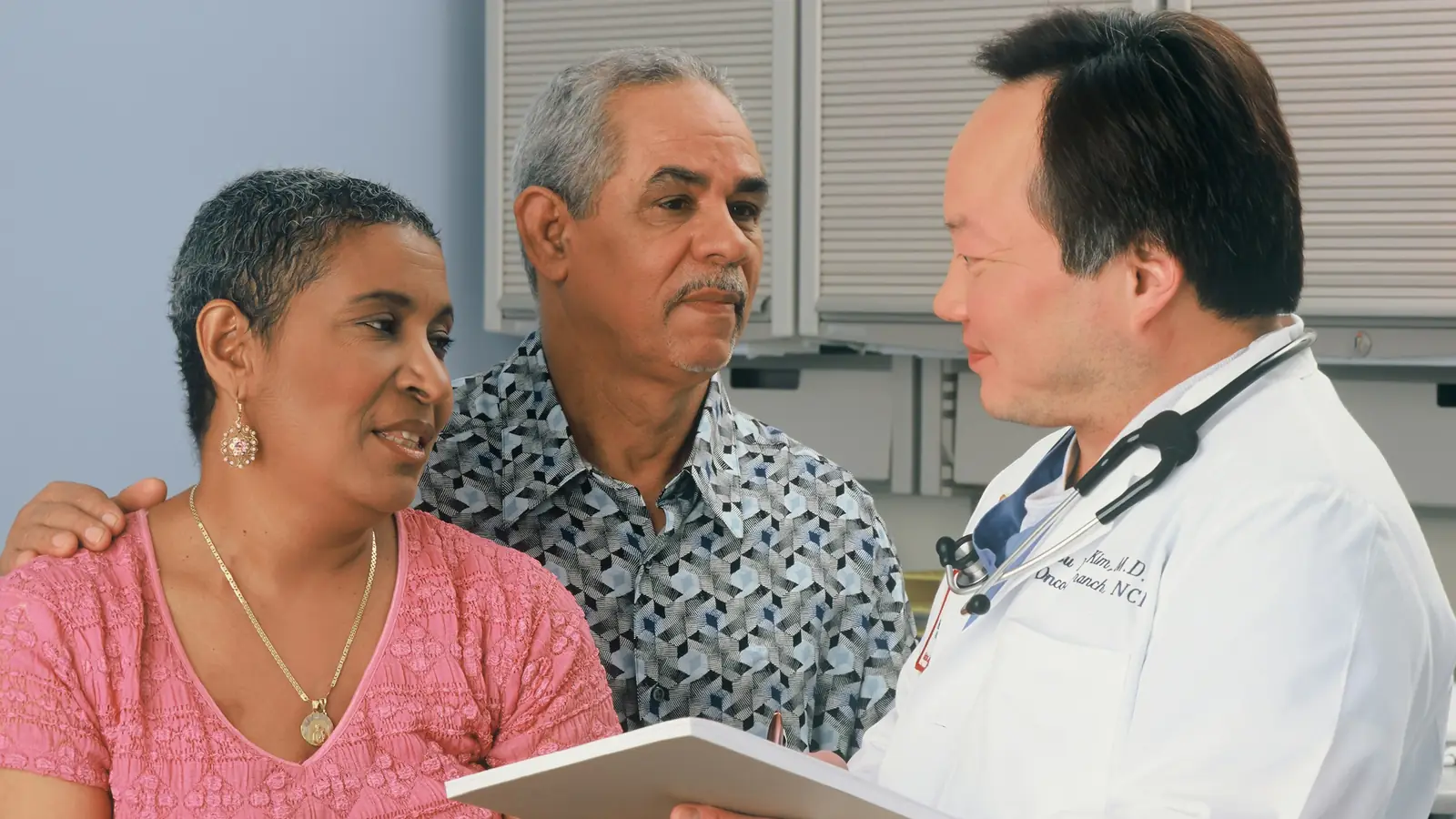
Glaucoma
ConditionGlaucoma is a group of eye diseases that damage the optic nerve, often with no early warning signs. Regular eye exams can find it early, when treatment can help protect your sight.
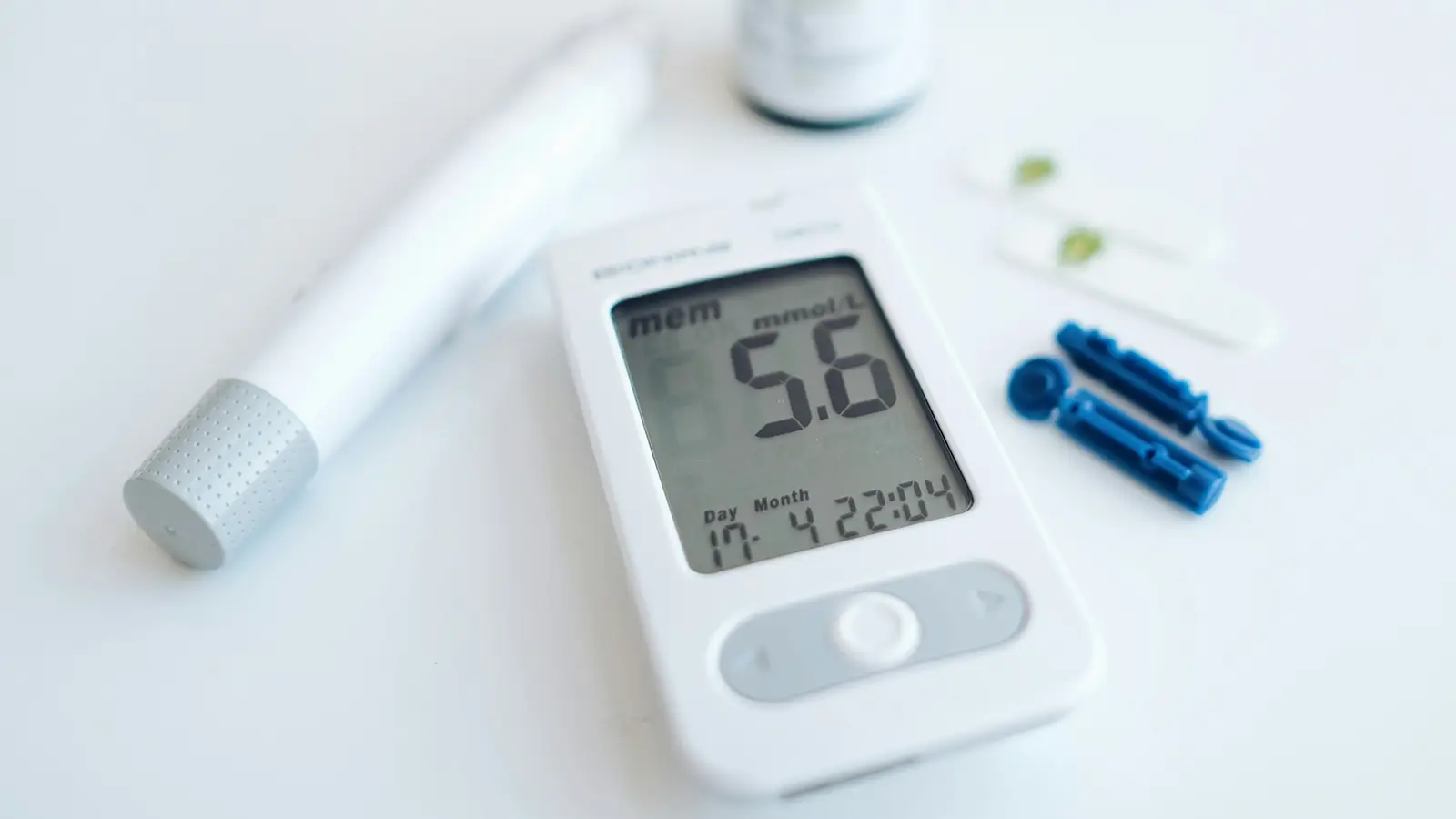
Diabetic eye exam
ExamDiabetes can damage the back of your eye long before you notice any change. A yearly dilated eye exam finds problems early, when treatment can best protect your vision.